SteerWorkplace for a forward-thinking transport and infrastructure consultancy
Category
Interior Design, Architecture
Location
London
Type
Workplace
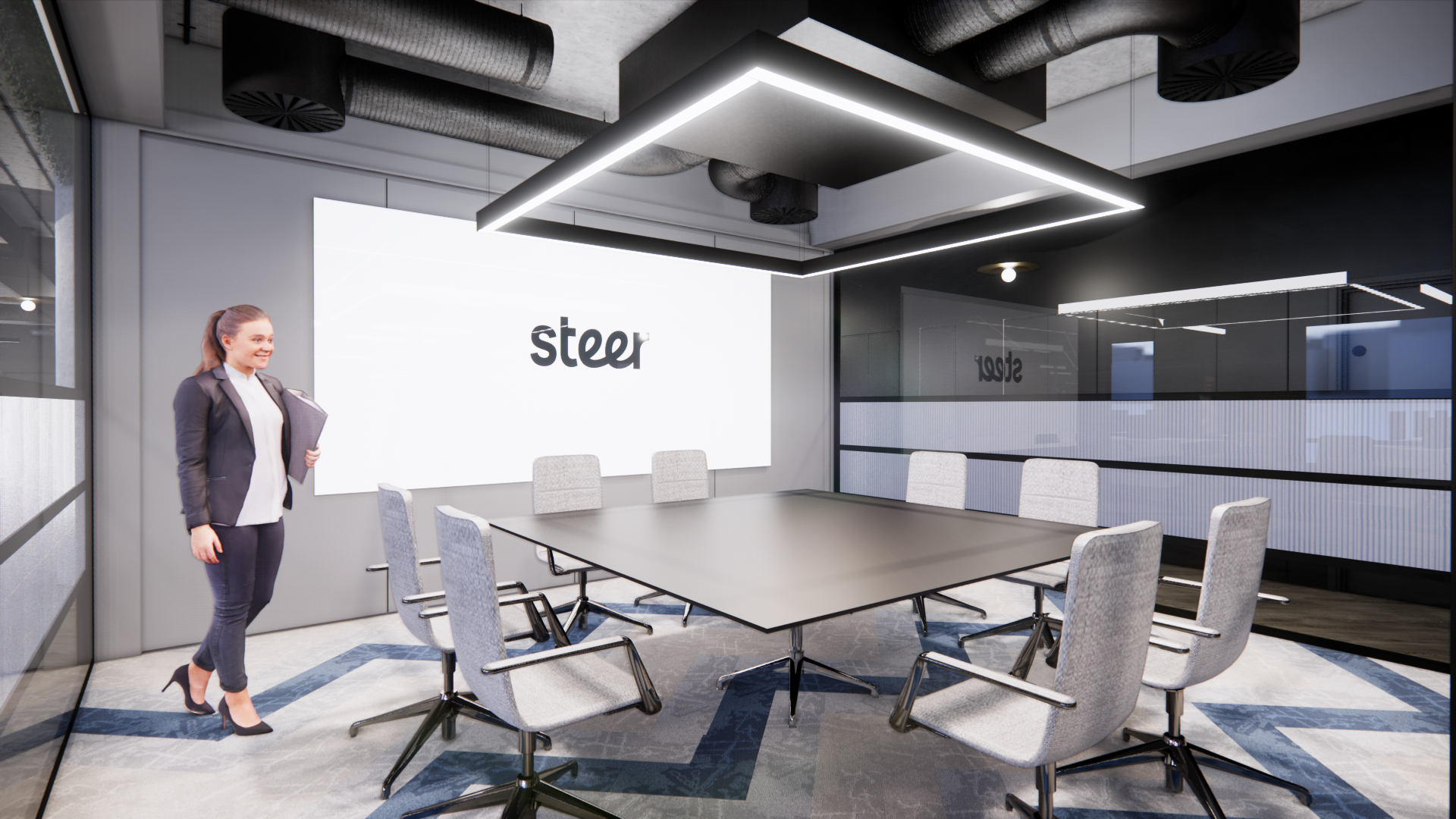
Crux was invited to pitch the design of Steer’s new London HQ, a 50,000 sq. ft workplace for a forward-thinking transport and infrastructure consultancy. The brief was to unite multiple teams under one roof while reflecting the organisation’s deep expertise in public mobility and civic systems.
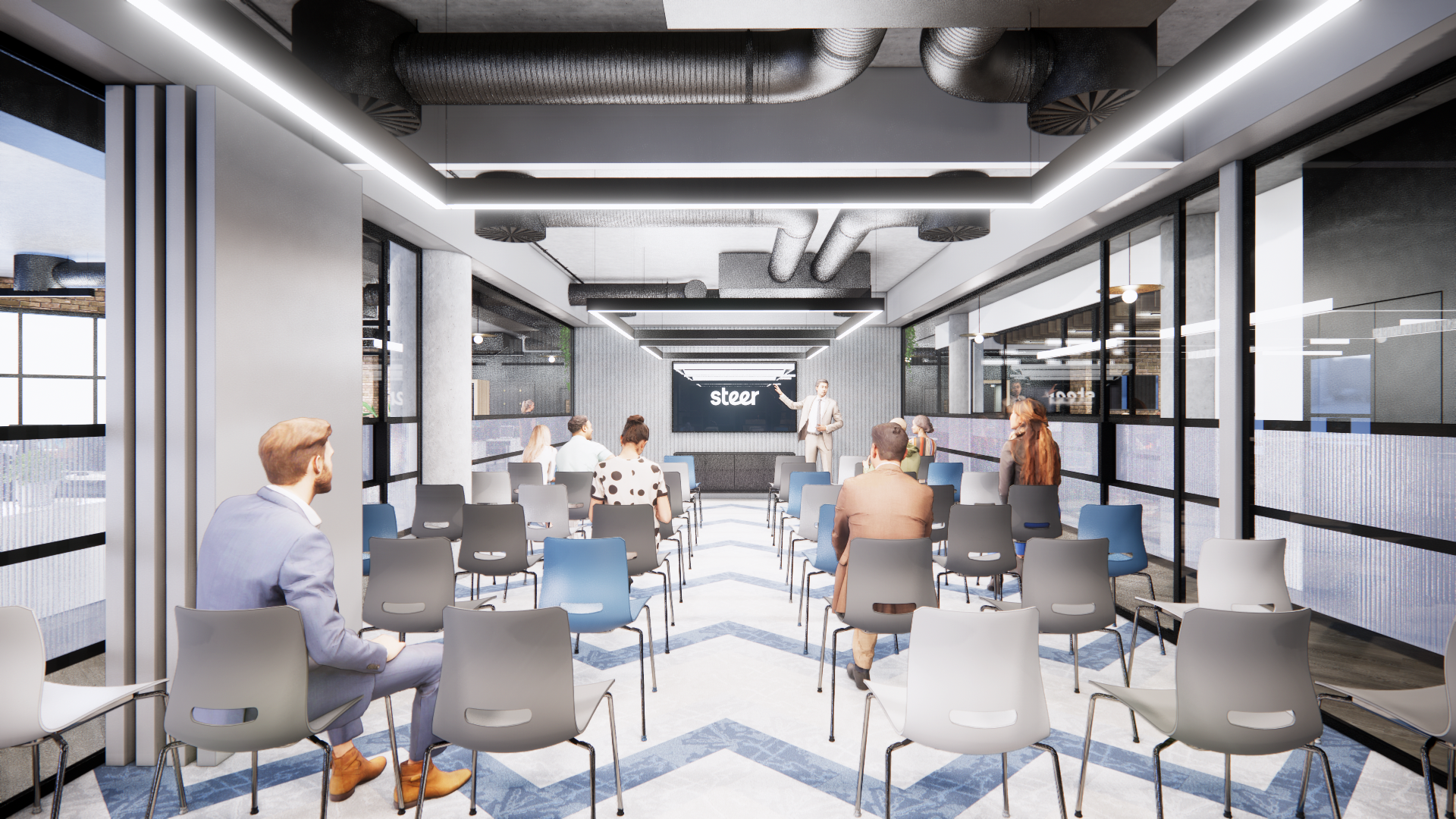
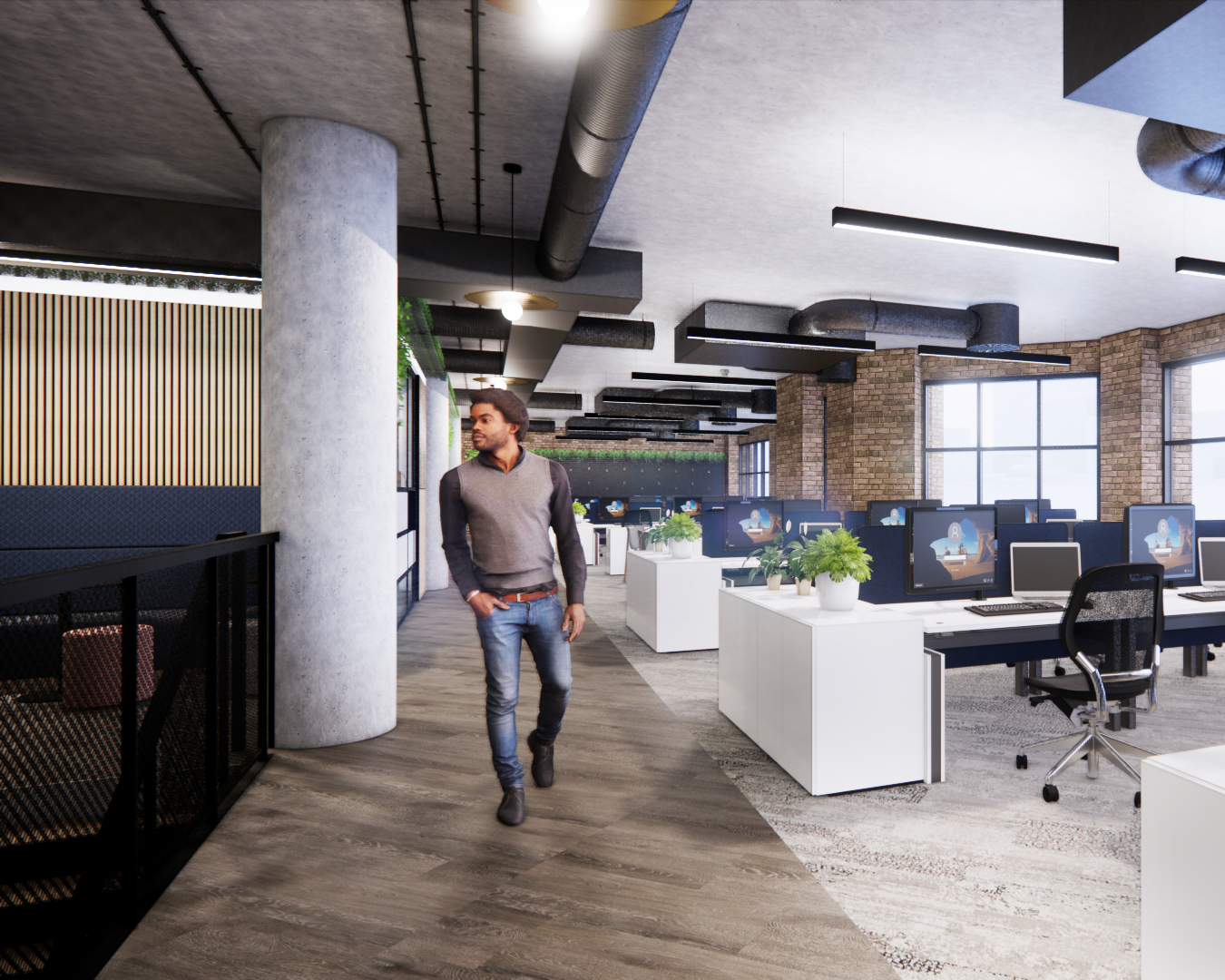
Crux’s concept drew on the language of cities: movement, rhythm, and clarity. The plan proposed democratic, highly functional spaces zoned for focused work, quiet libraries, collaborative zones, and moments of calm. Inspired by urban infrastructure and wayfinding, the design layered honest materials and strong circulation to reflect Steer’s public-facing mission.
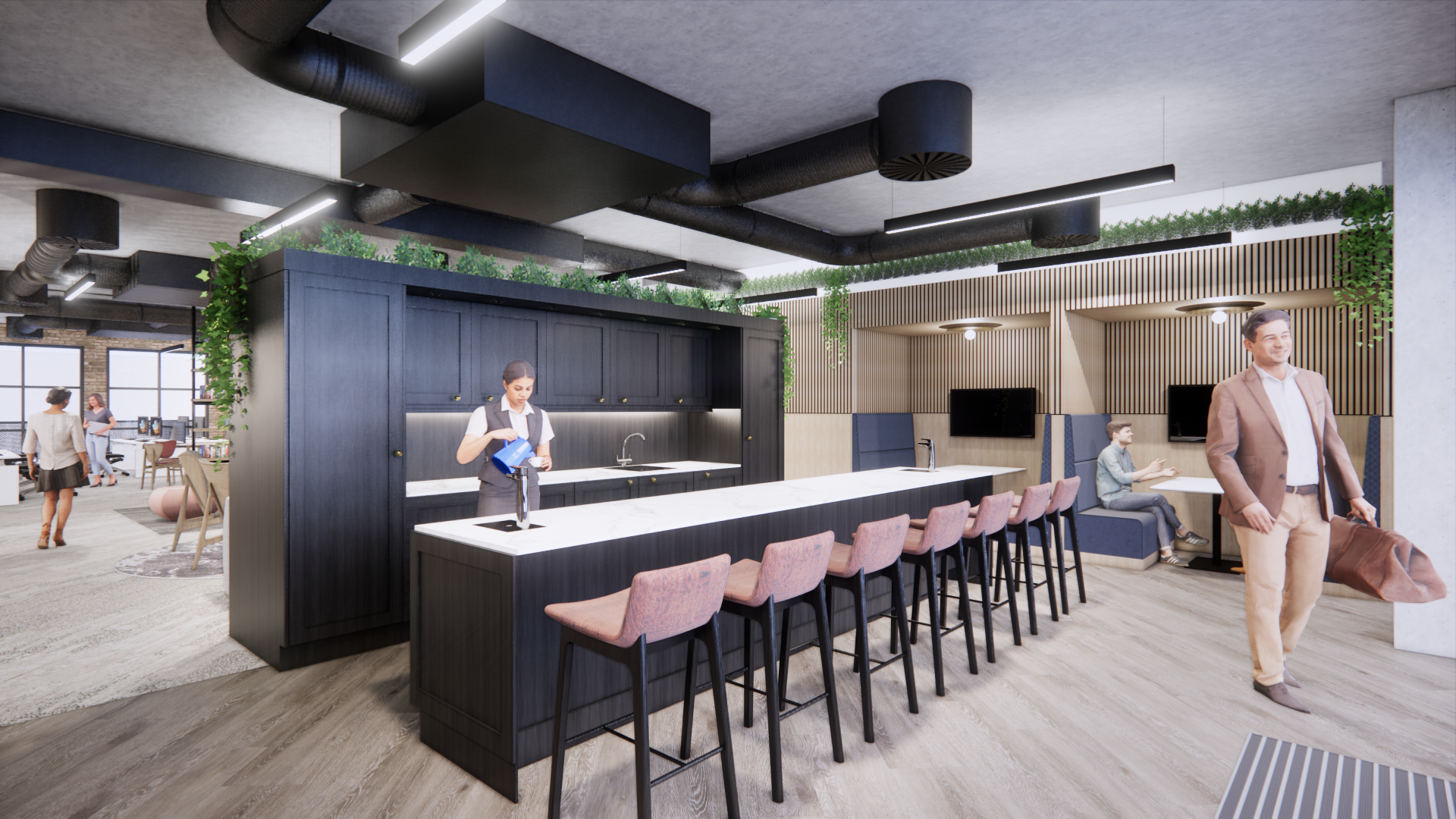
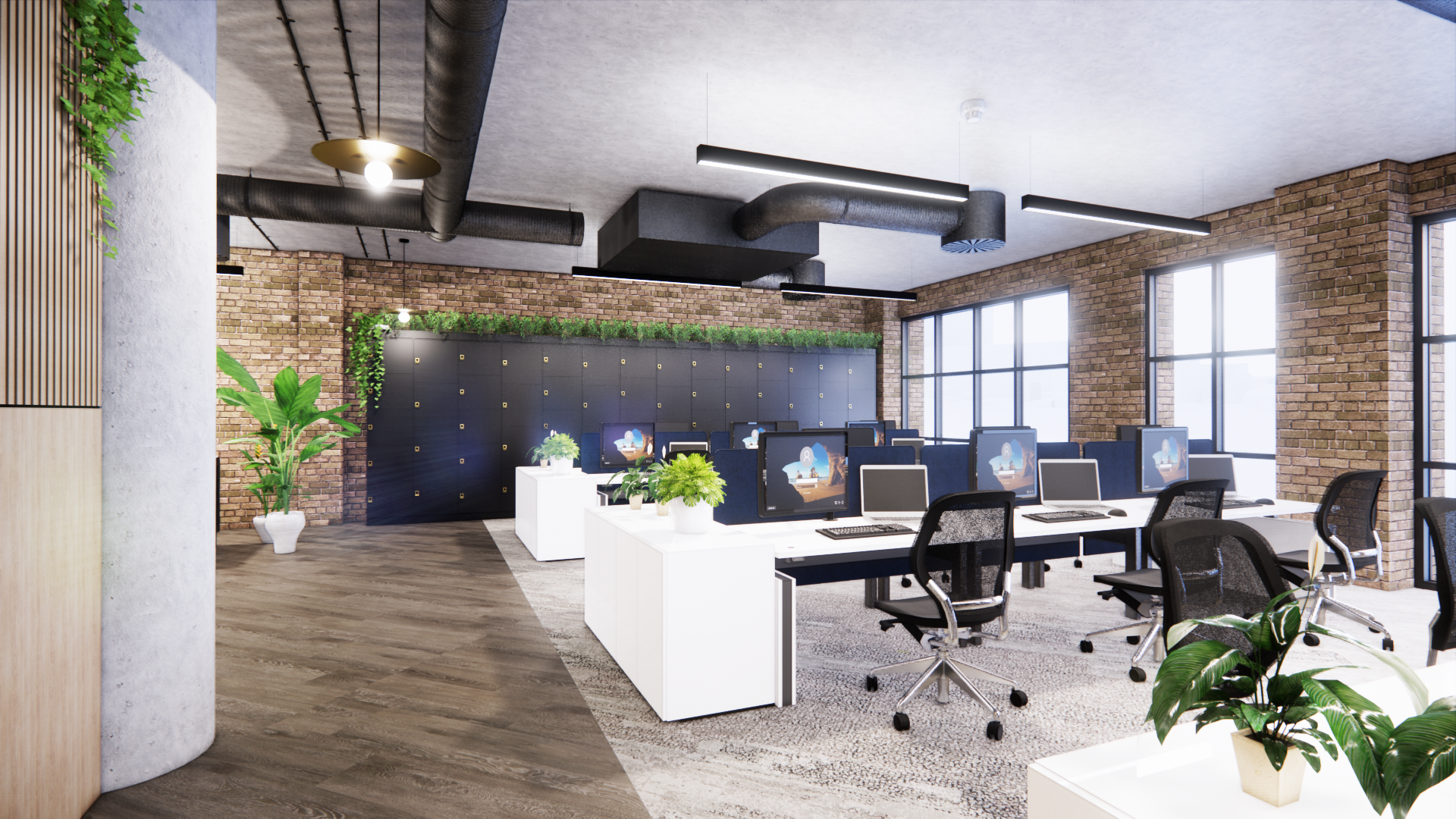
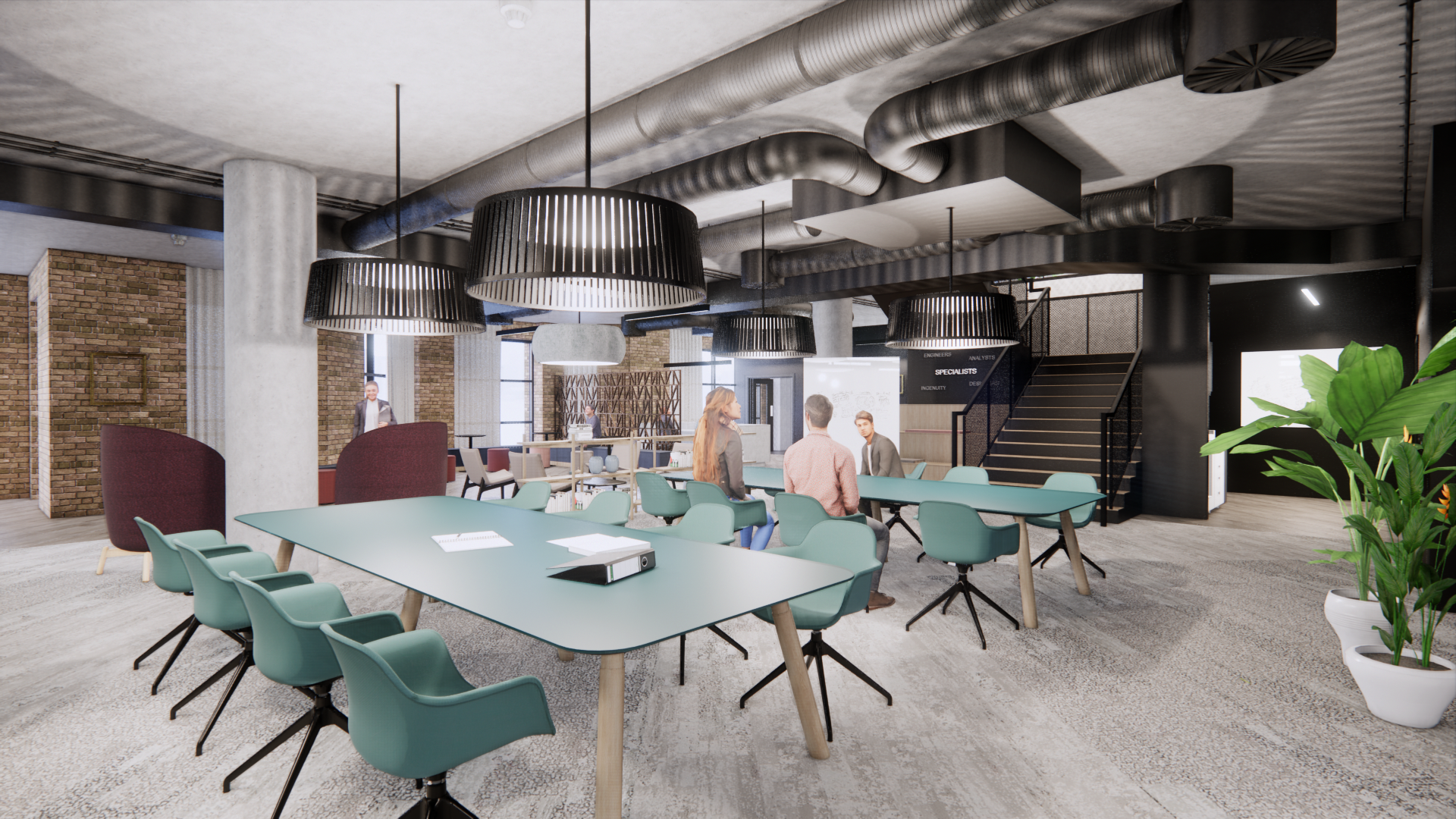
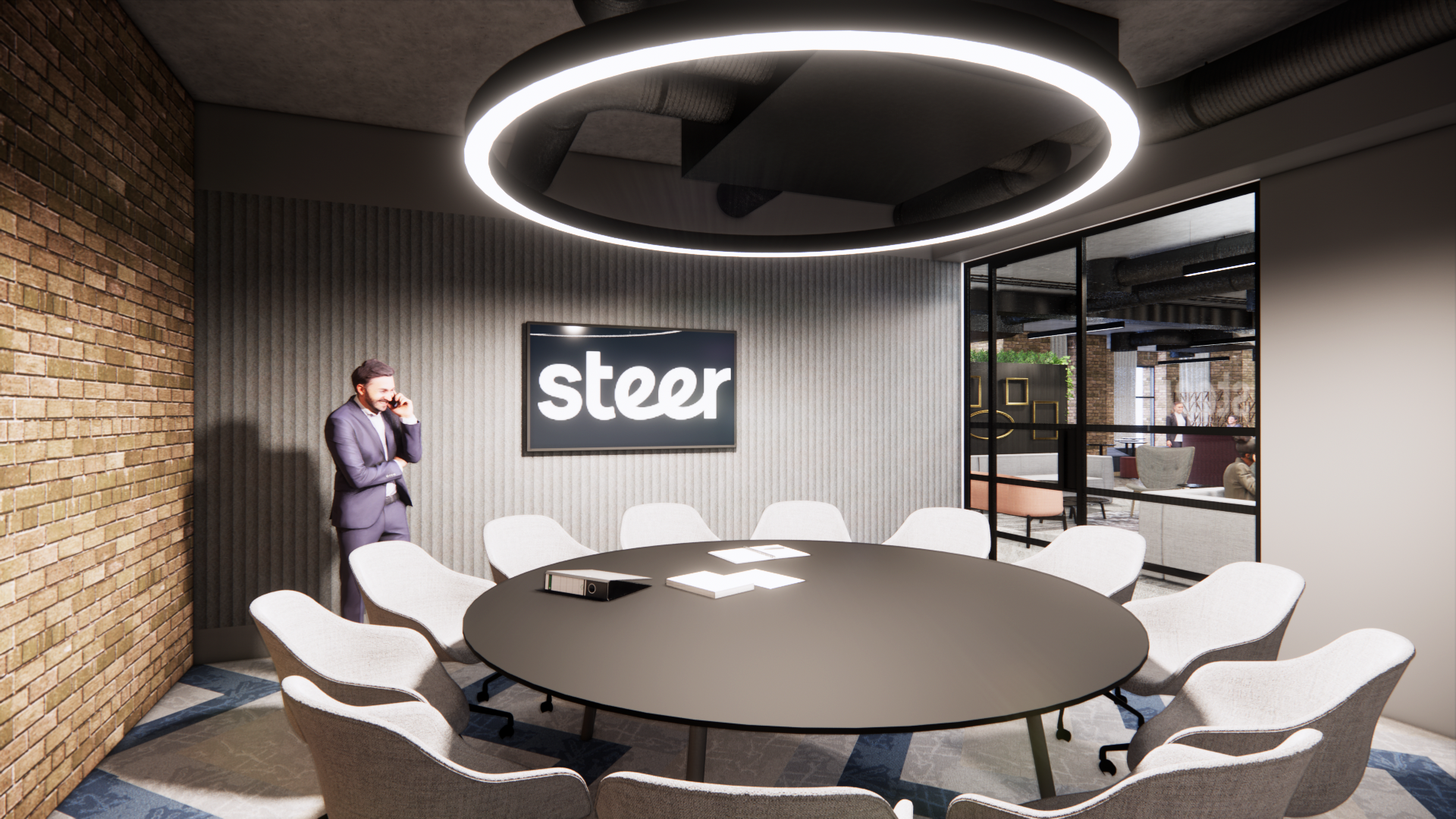
Steer’s new workplace was intended to bring together multiple London teams under one roof, in a space that reflected their deep expertise in mobility and movement. Crux’s design concept responded with a workplace rooted in clarity, flow, and connectivity, inspired by urban infrastructure, wayfinding systems, and civic architecture.
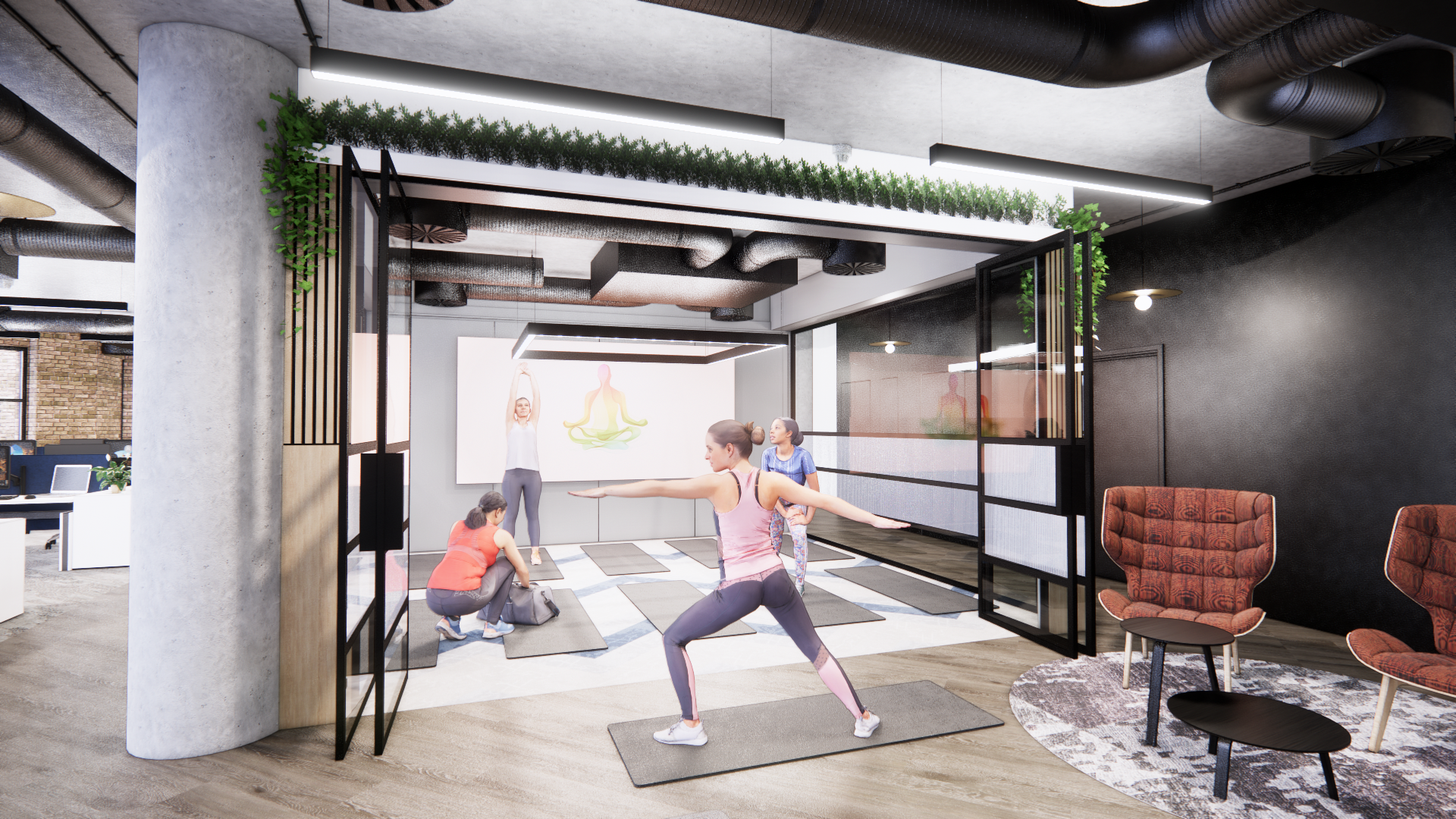
The space was designed to be open, democratic, and highly functional, while delivering moments of warmth and calm for focused work and team interaction.
Crux approached the design with a user-first mindset, shaping the space around energy zones to be quiet, formal and informal, collaborative and independent. Drawing on Steer’s core identity as a public transport innovator, the concept used rhythm, repetition, and movement as spatial devices, layered with natural materials and honest finishes that grounded the brand in its civic purpose.
“We designed a workplace for movement and flow, and the idea travelled further than expected.”
— Heather Saunders, Founder | Principle
Key Features
Civic-Inspired Design – Influenced by Steer’s role in public mobility and infrastructure.
User-Centred Planning – Zoned for collaboration, quiet work, and social connection.
Strong Visual Identity – Integrated materials and forms reflective of the transport sector.
Competitive Pitch – Not awarded to Crux, but the design was closely echoed in the final build.
Strategic Clarity – Reinforced Crux’s strength in direct-to-client relationships.
Valuable Validation – Affirmed Crux’s aesthetic, design process, and creative leadership.
Future-Focused Learning – Helped sharpen positioning for similar-scale workplace bids.
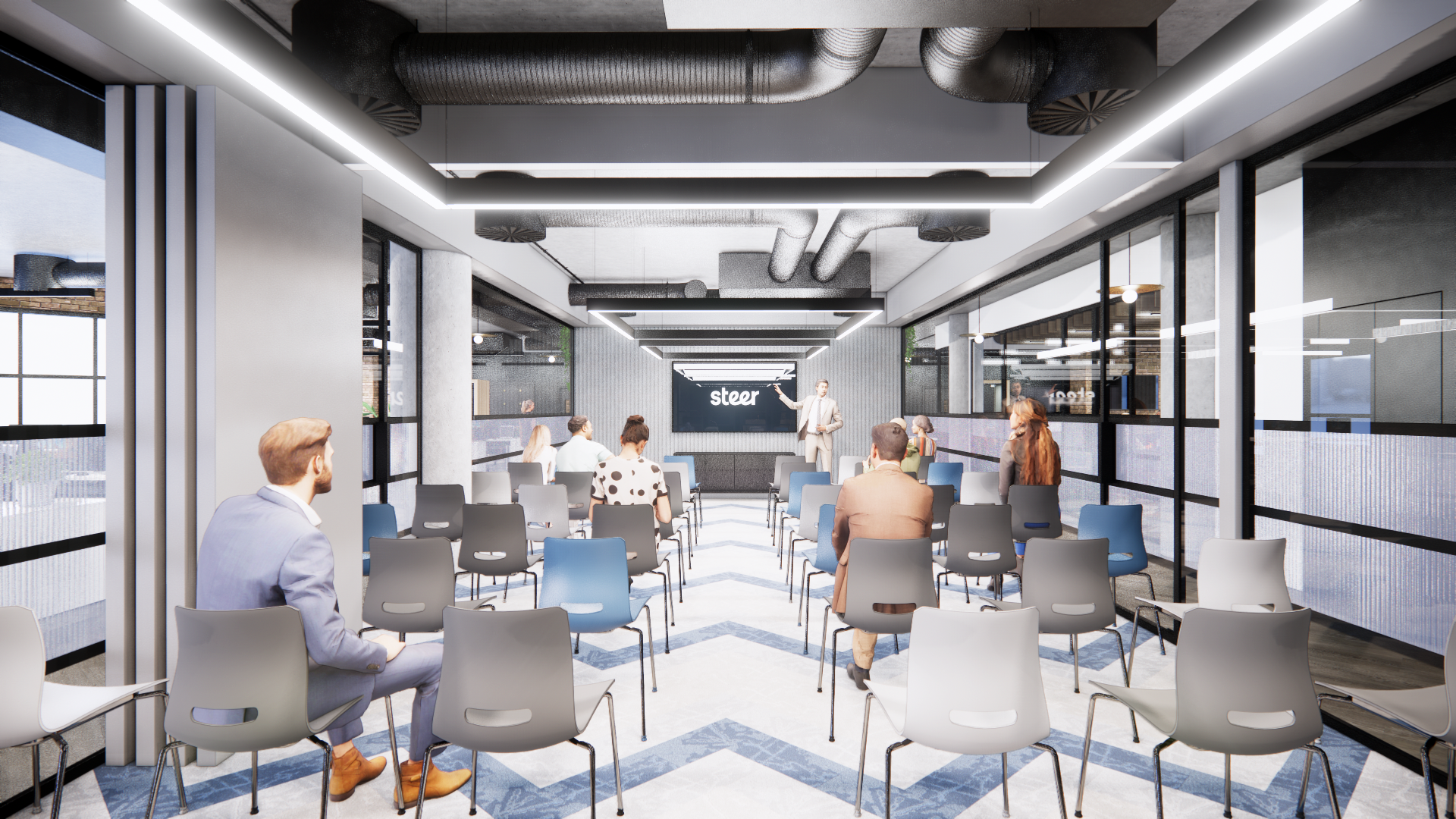
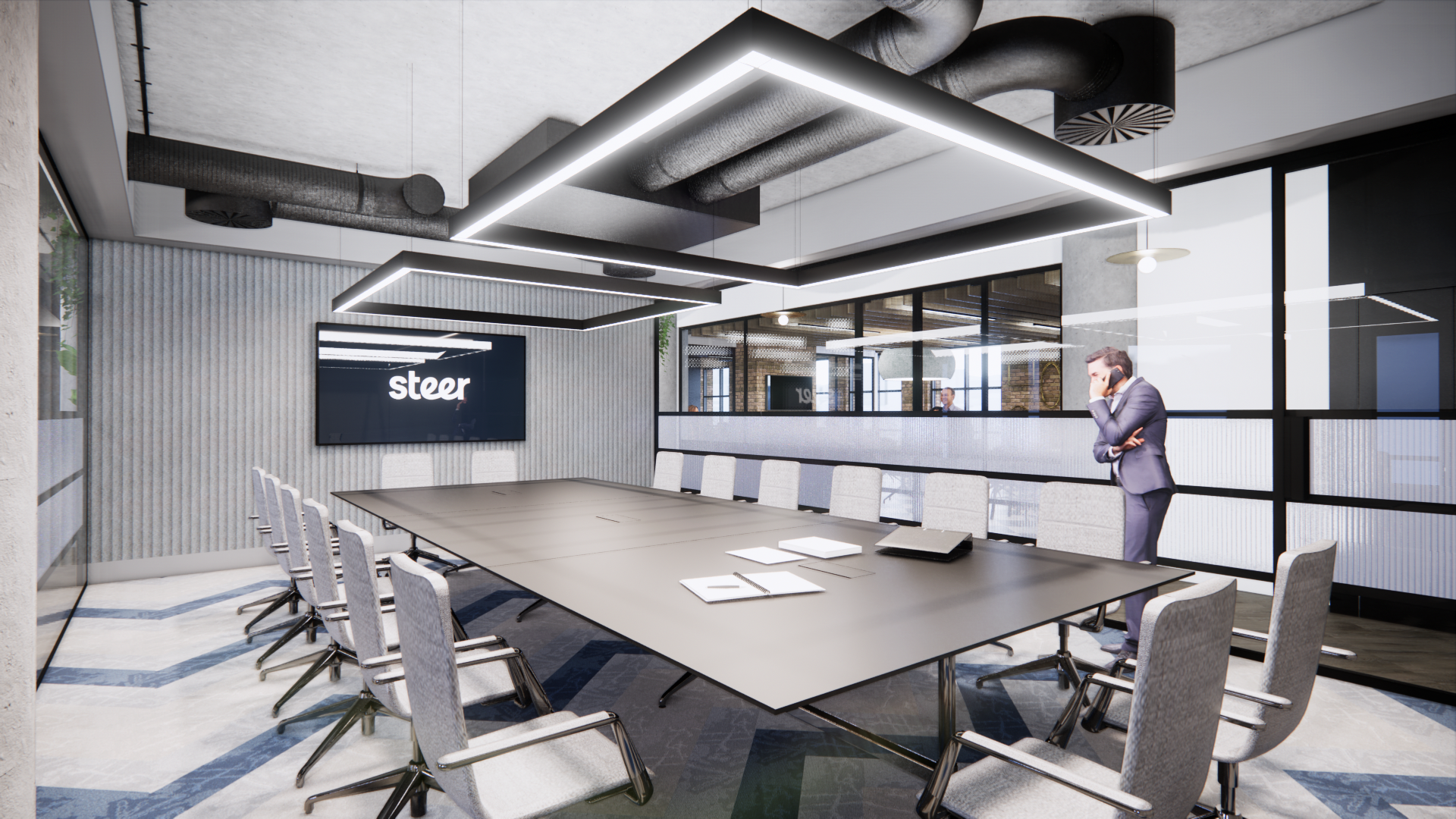
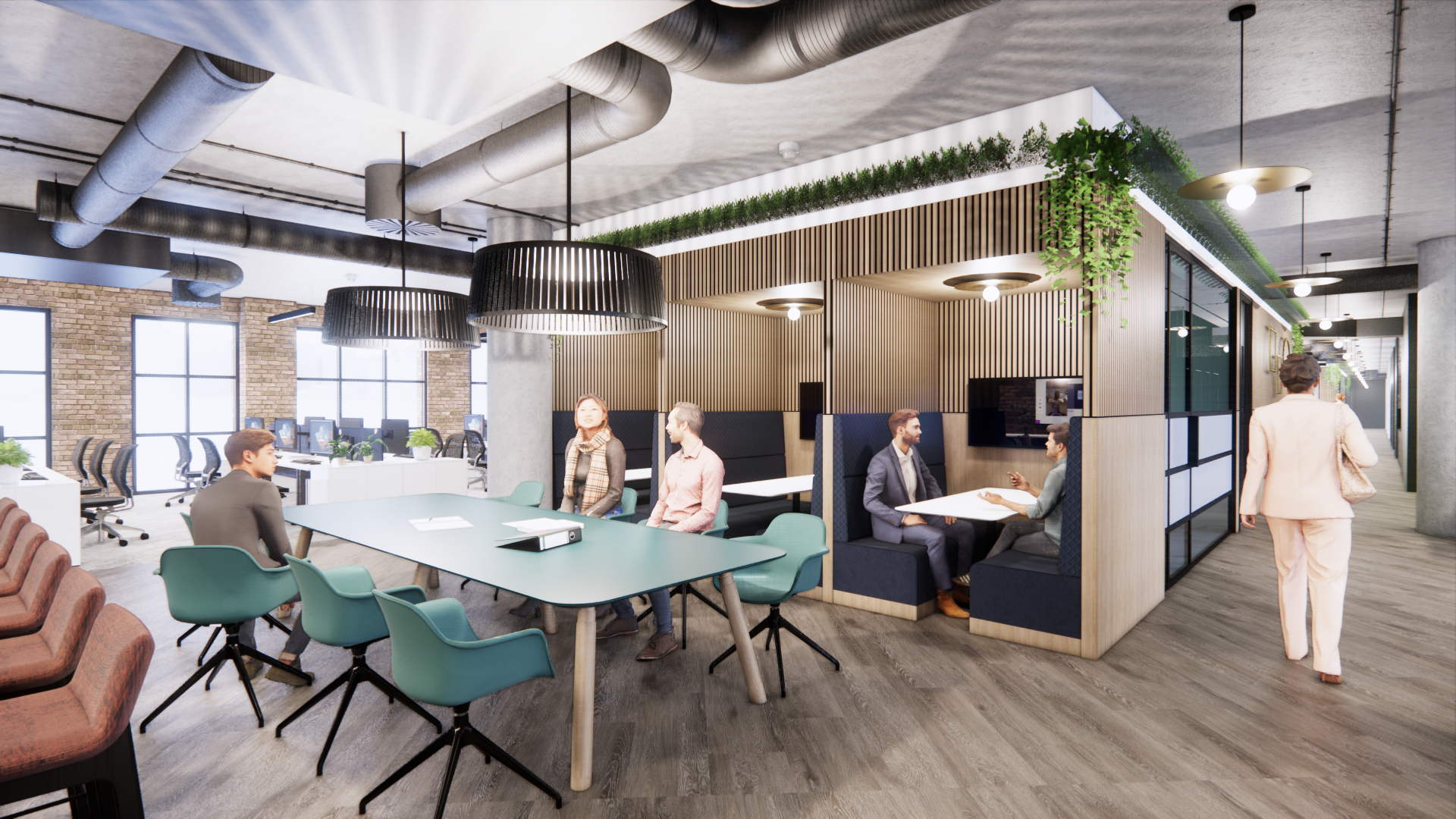
The plan included dynamic collaboration zones, informal touchdown areas, quiet libraries, client-facing suites, and integrated café spaces—all combined with clear visual connections and intuitive circulation.
Crux was not ultimately awarded the project, but the experience was far from a loss. The striking similarity between Crux’s pitch and the final built solution strongly affirmed the firm’s design instinct and vision. More importantly, the project reinforced a key strategic learning: Crux delivers its strongest and most original work when partnered directly with the client rather than through competitive or intermediated processes.
While Crux did not deliver the final scheme, the pitch project validated the studio’s aesthetic direction, design thinking, and ability to align with the culture and needs of progressive tech clients. It remains a proud moment in the portfolio that helped refine Crux’s strategic focus and reinforced the power of close, direct collaboration.
“Every pitch sharpens our instinct. This one validated it”
— Heather Saunders - Founder | Principle