

Jaguar Land Rover Engineering WorkshopGlobal Guidelines Ambassador & Concept Design for Engineering Workshop
|
|
|
Category
Interior Design, Architecture, Global Guidelines
Location
Bangalore, India
Type
Engineering
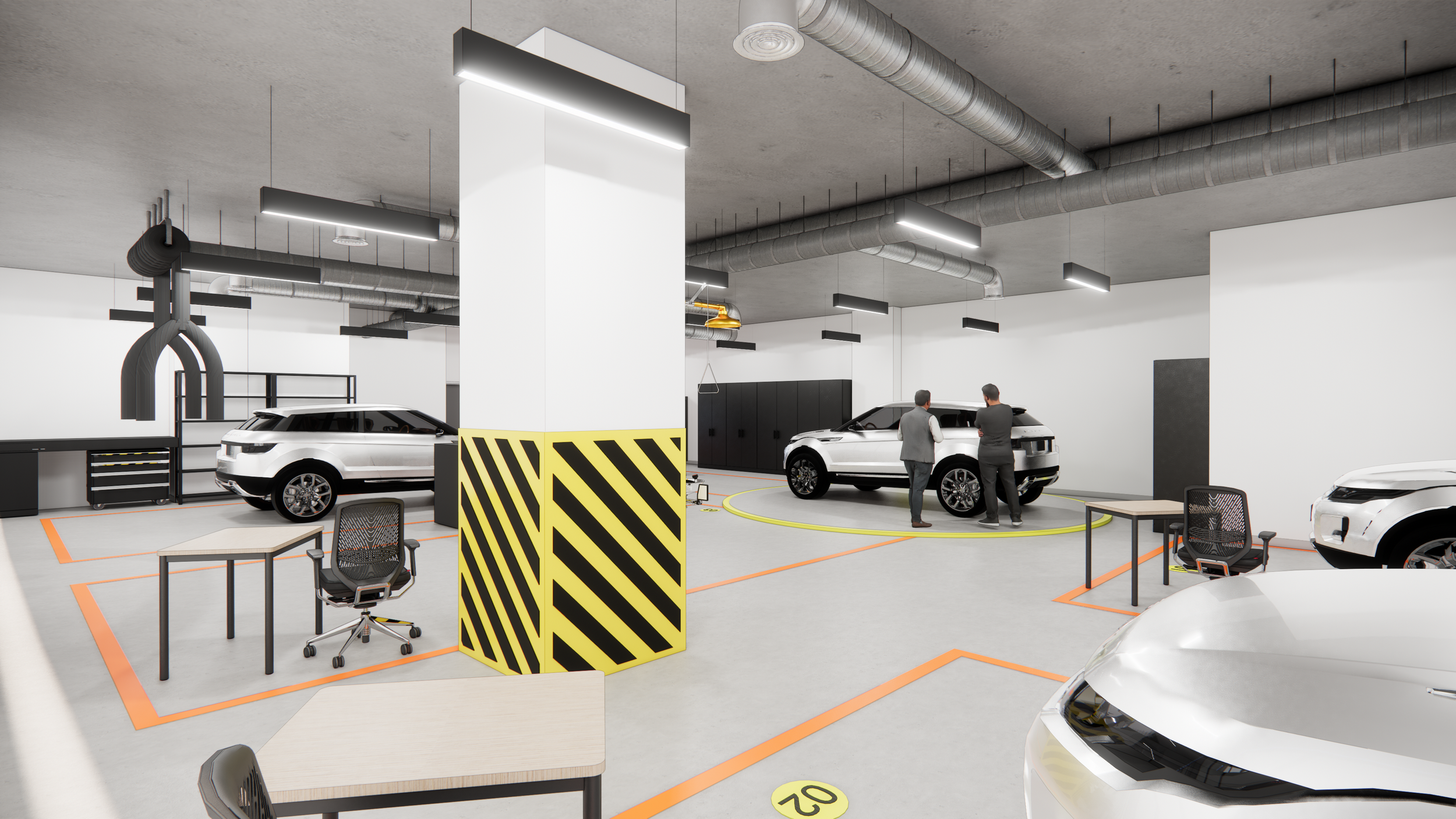
Following a series of successful workplace and laboratory projects in Bangalore, Crux was appointed to design a new dedicated automotive workshop environment for Jaguar Land Rover. Design leadership and technical coordination were led from the United Kingdom, working closely with JLR stakeholders and locally appointed delivery partners in India.
The project formed part of a broader, evolving programme, responding to earlier spatial constraints and enabling a purpose suited environment for vehicle related engineering activity.
.
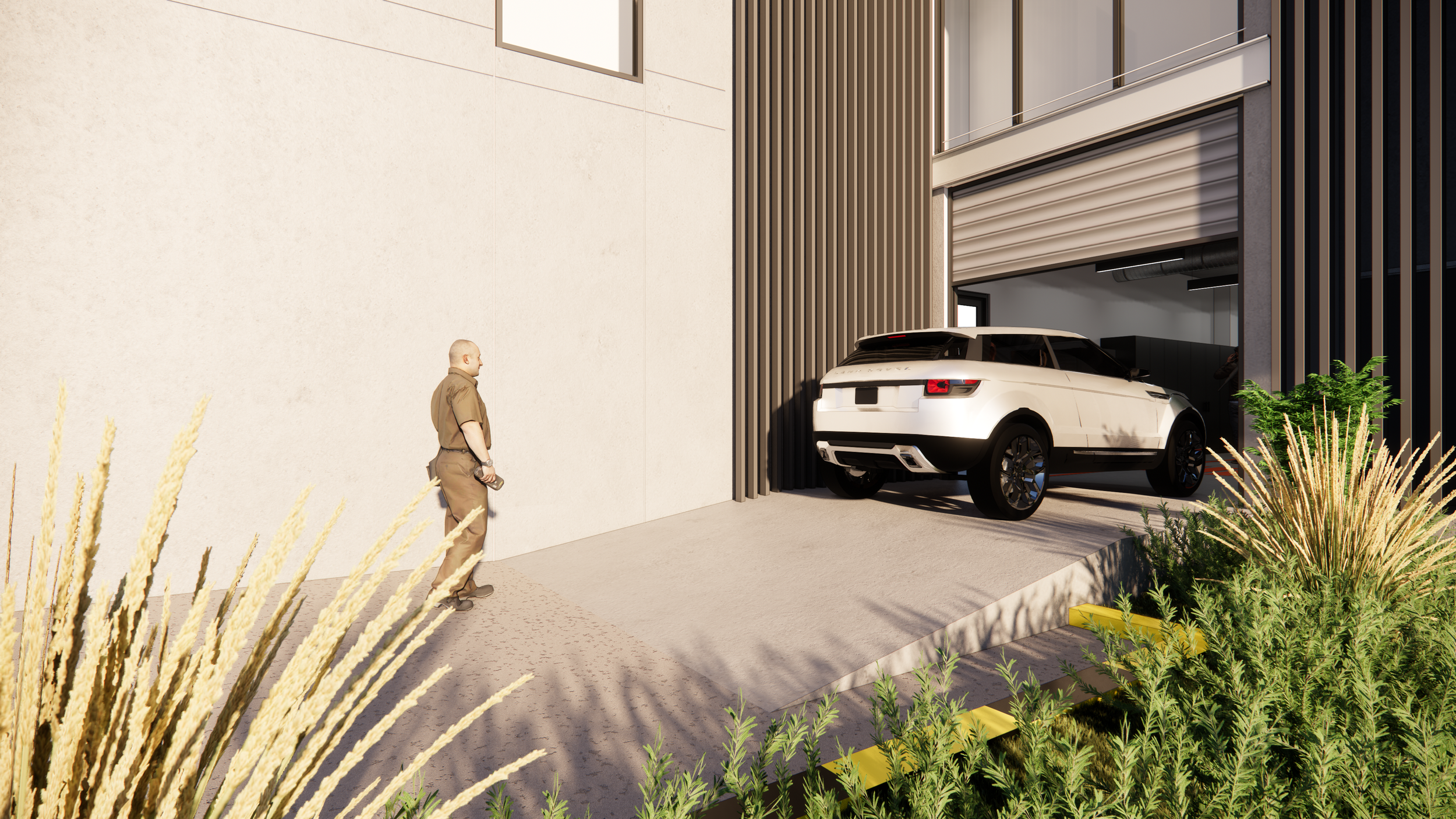
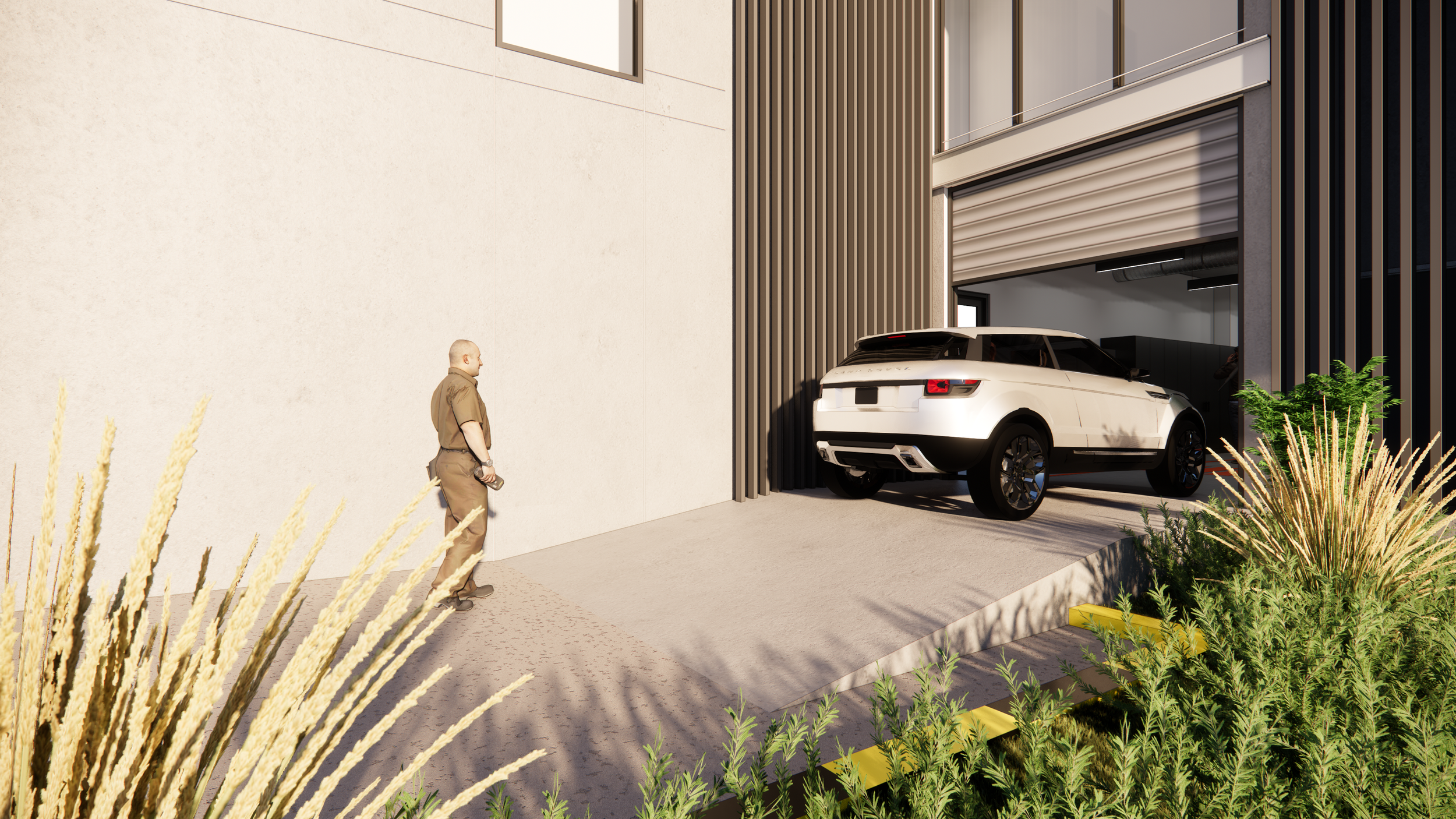
Earlier phases within the building highlighted limitations around vehicle access and manoeuvrability that restricted workshop feasibility. When a new area with improved access became available, JLR took the opportunity to create a dedicated environment better aligned with operational needs.
While the new location resolved many logistical challenges, it introduced others, particularly around vertical constraints. The strategic task was therefore not to maximise ambition, but to define what was genuinely achievable within the space and prioritise functions accordingly.
Crux’s prior involvement across multiple phases provided valuable context, allowing decisions to be made quickly and with confidence..
“By combining accumulated programme knowledge with precise strategic judgement, Crux transformed constraint into confidence—delivering a fit-for-purpose technical environment that works hard, now and over time, for Jaguar Land Rover.”
— Heather Saunders, Founder | Principle
Key Features
Feasibility led assessment of an existing warehouse to determine fitness for purpose
Integration of commercial, research, and client facing requirements within one design framework
Early identification of structural and servicing constraints
Alignment of technical performance with spatial and experiential intent
Demonstrates the value of early design involvement in informing building choice and shaping successful outcomes
Clear decision making that avoided downstream cost, delay, and risk
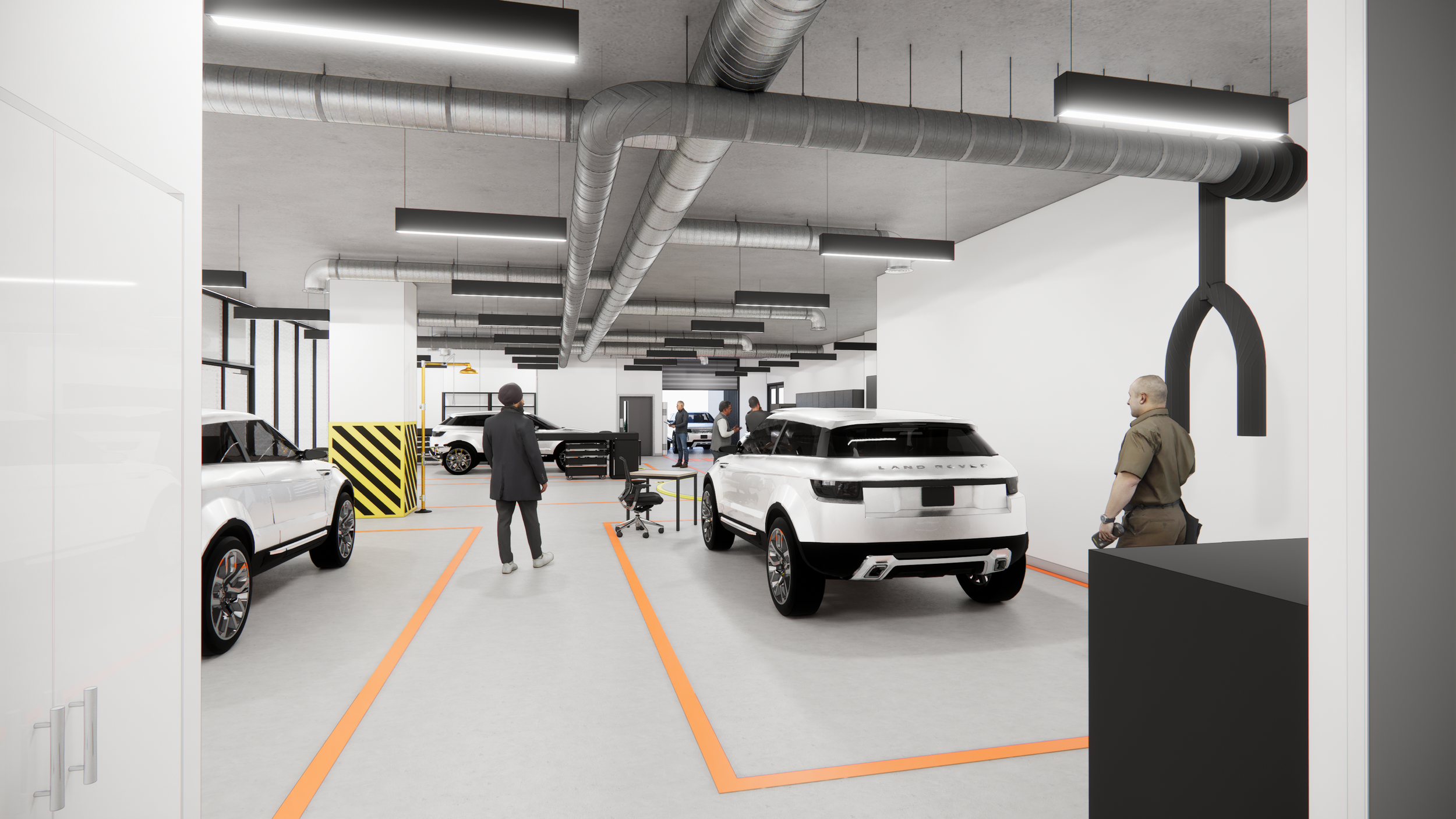
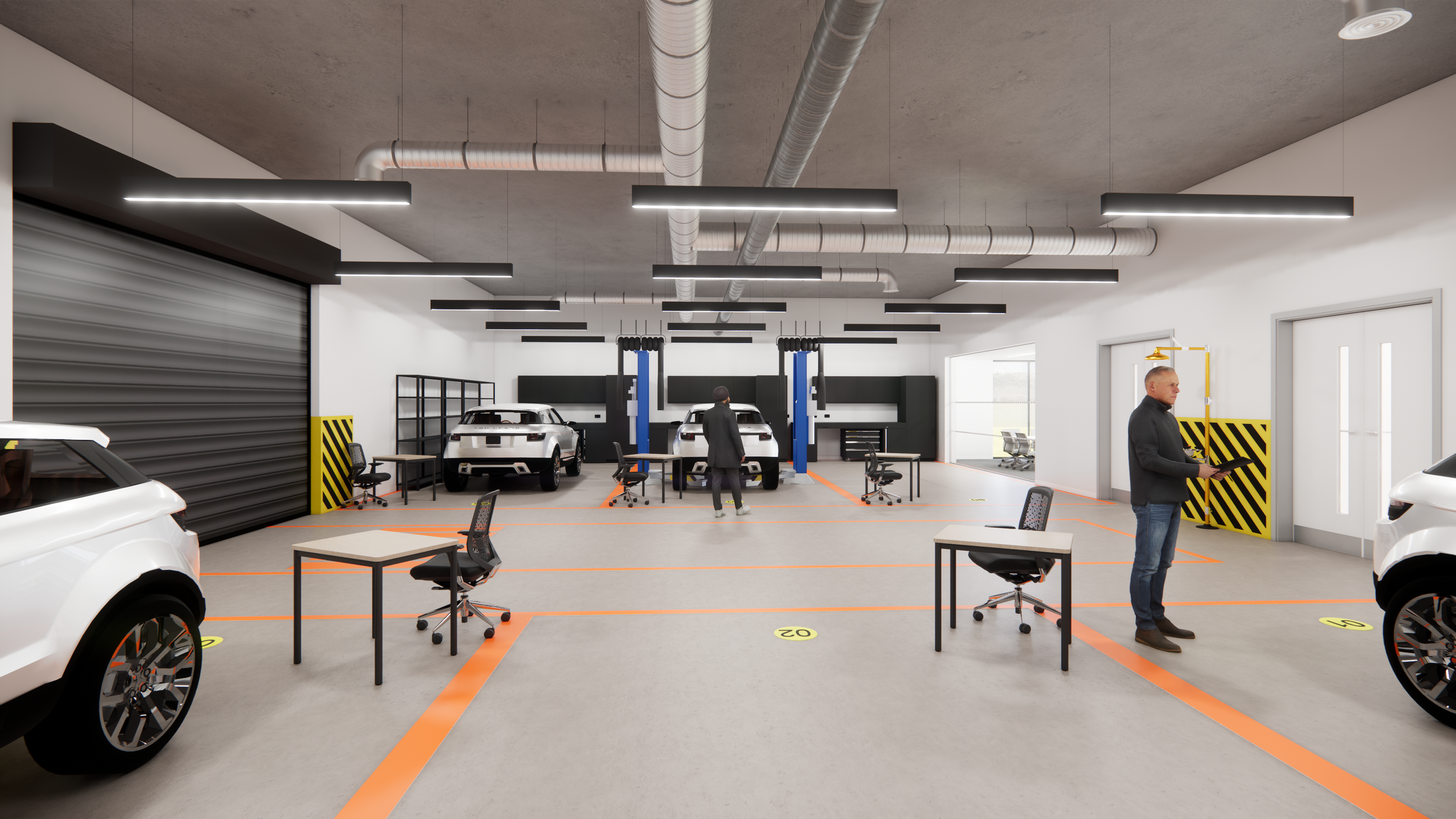
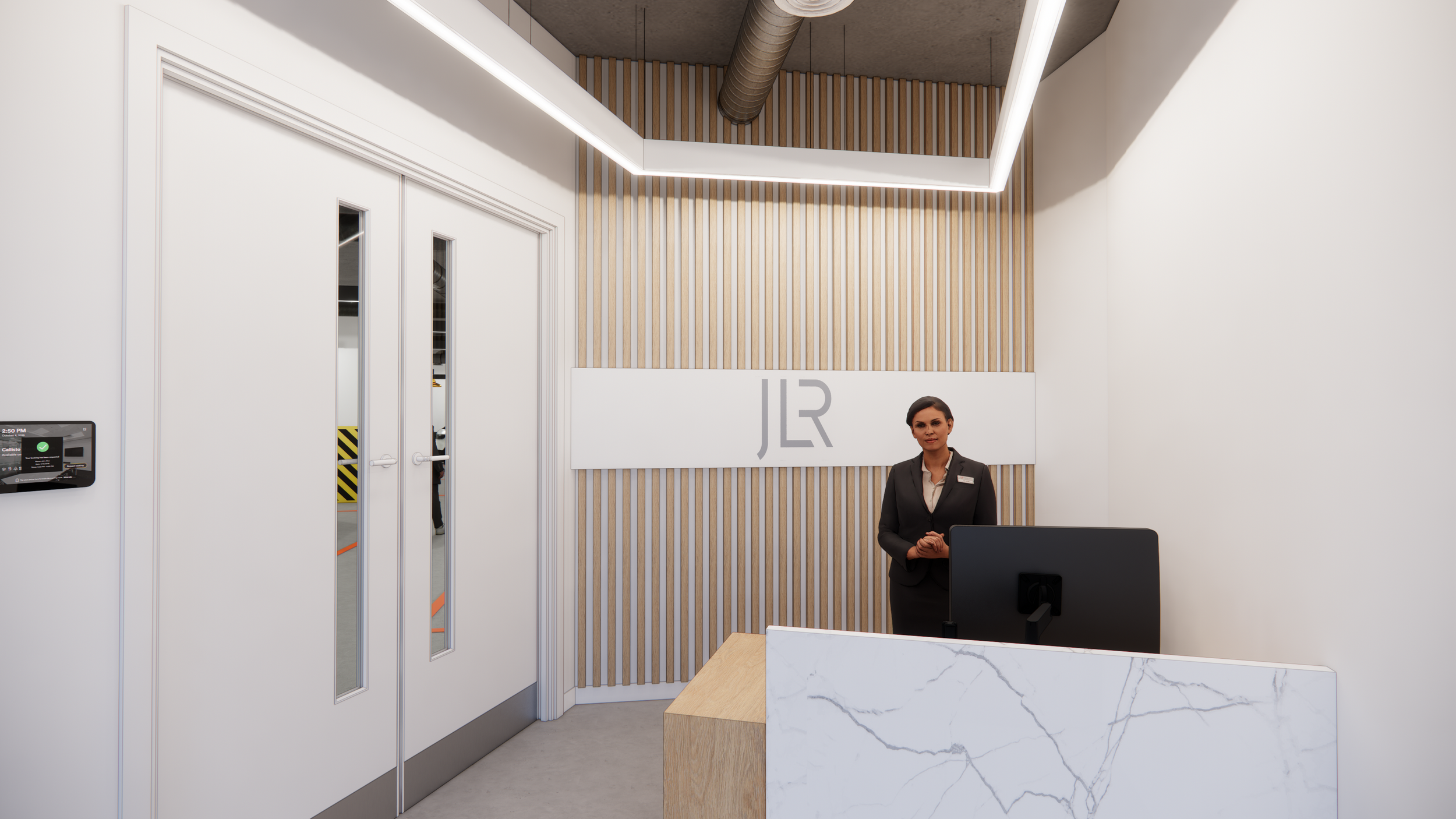
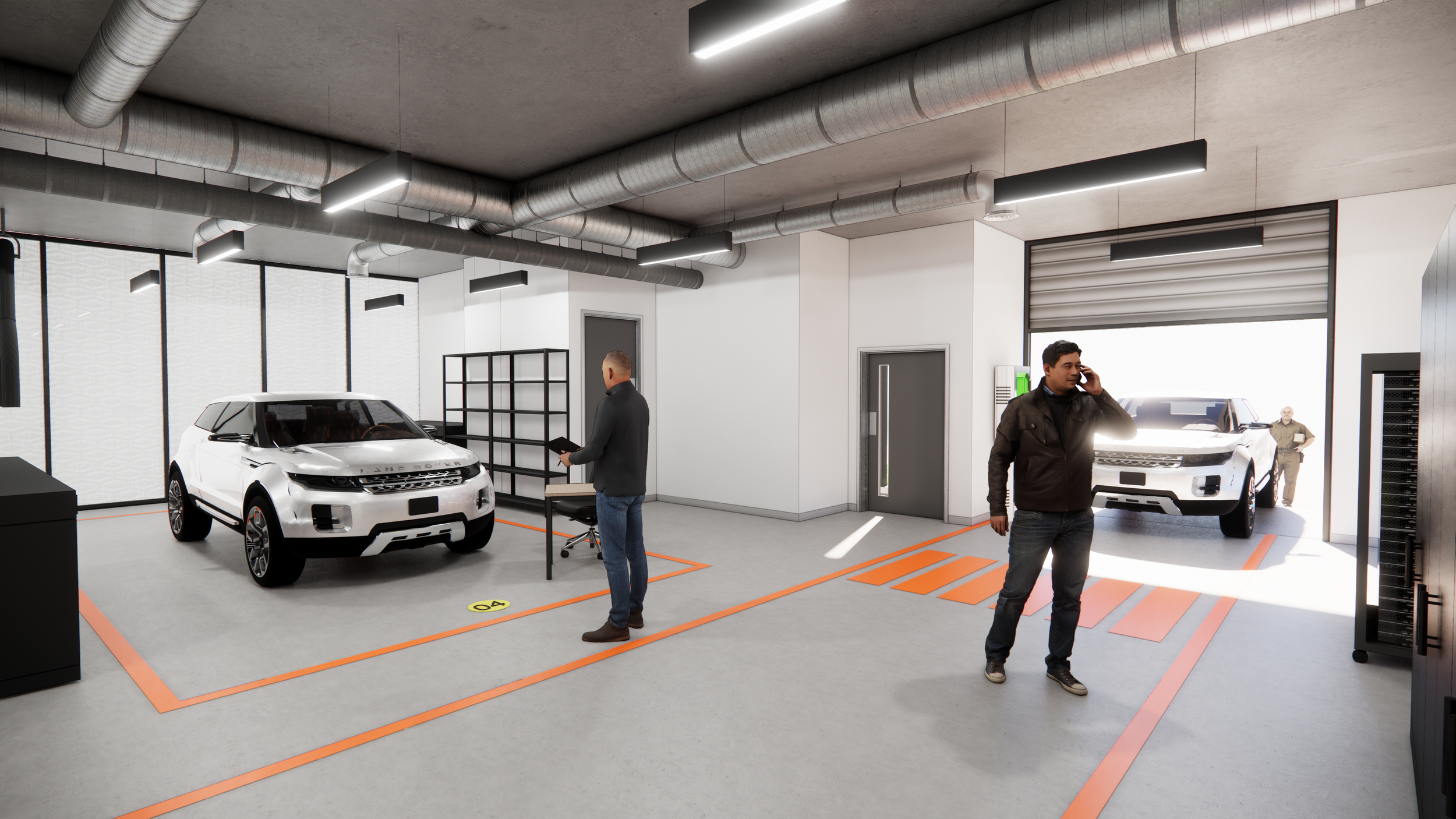
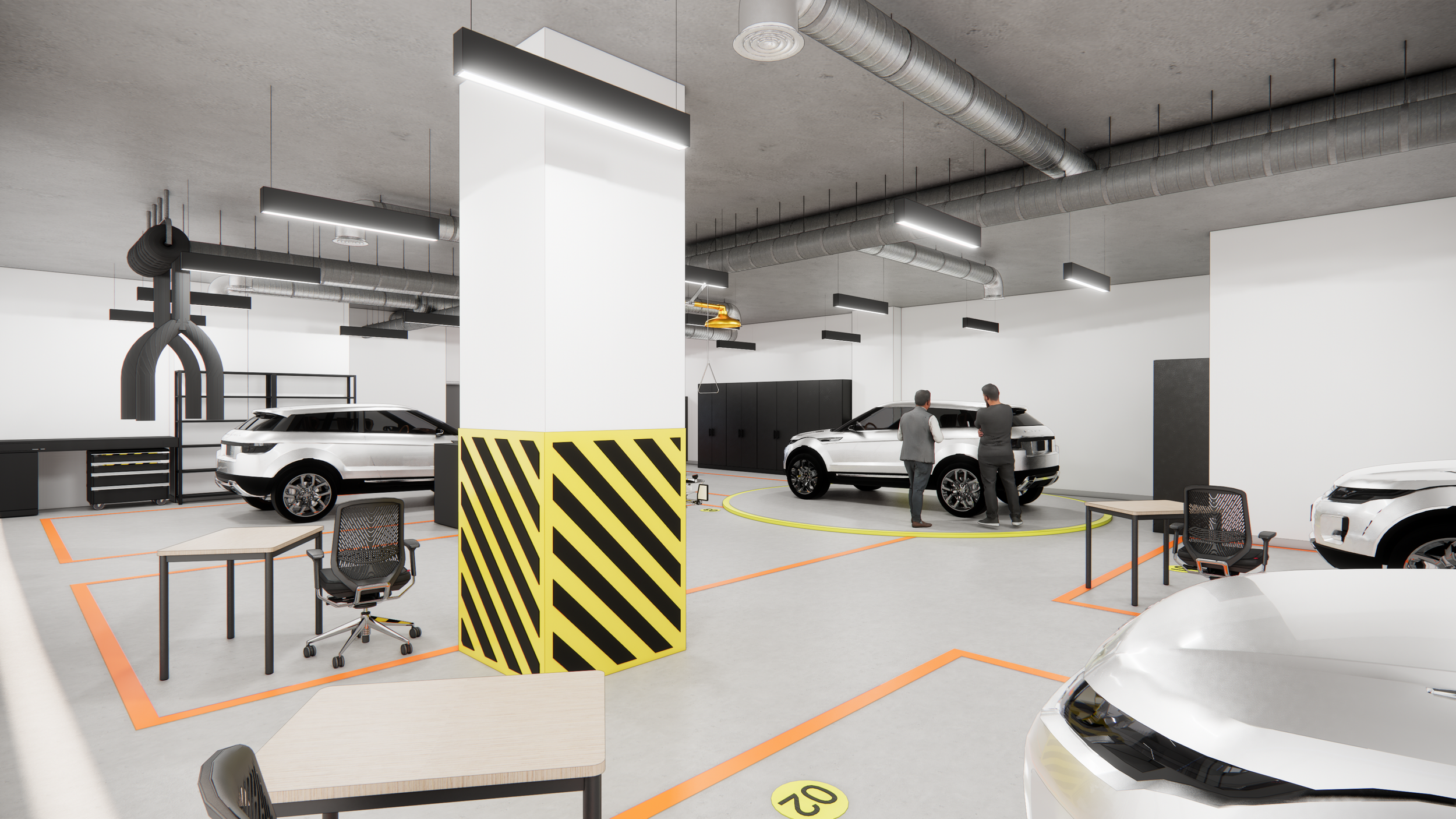
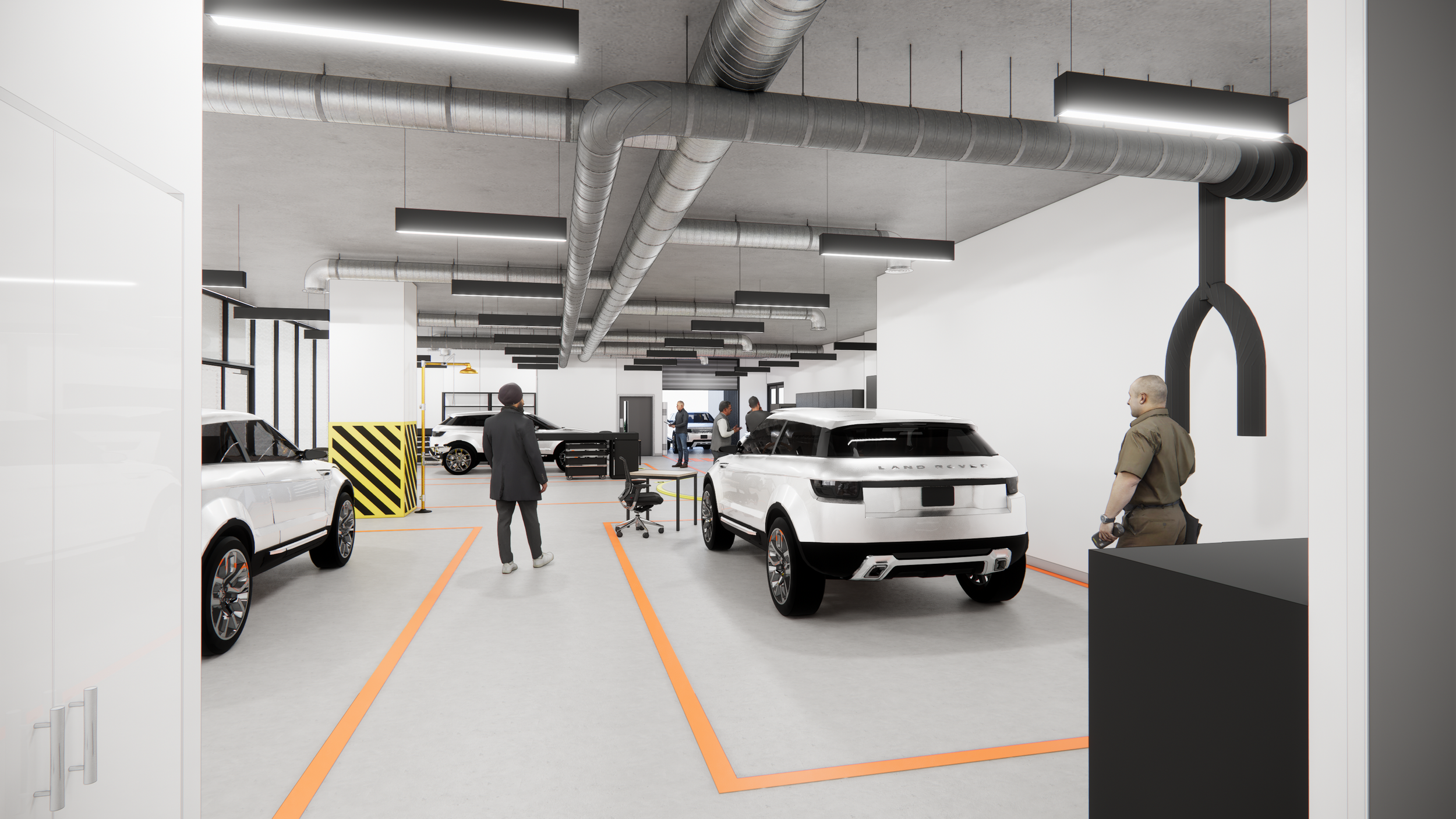
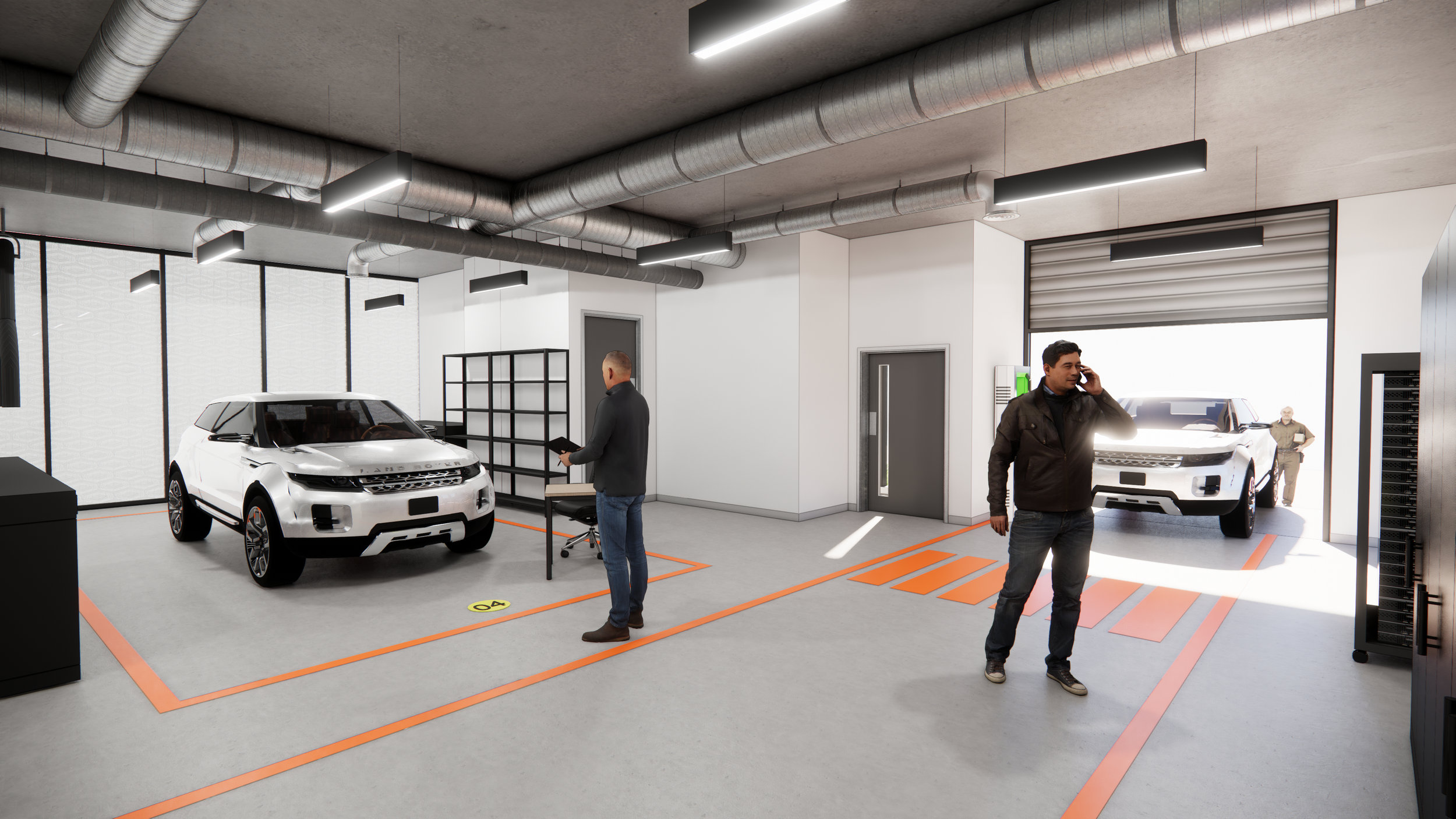
Crux approached the project from the inside out, starting with how engineers and vehicles needed to move, operate, and interact within the space. Spatial planning focused on circulation, adjacencies, clearances, and safety, supported by detailed studies to test feasibility under tight constraints.
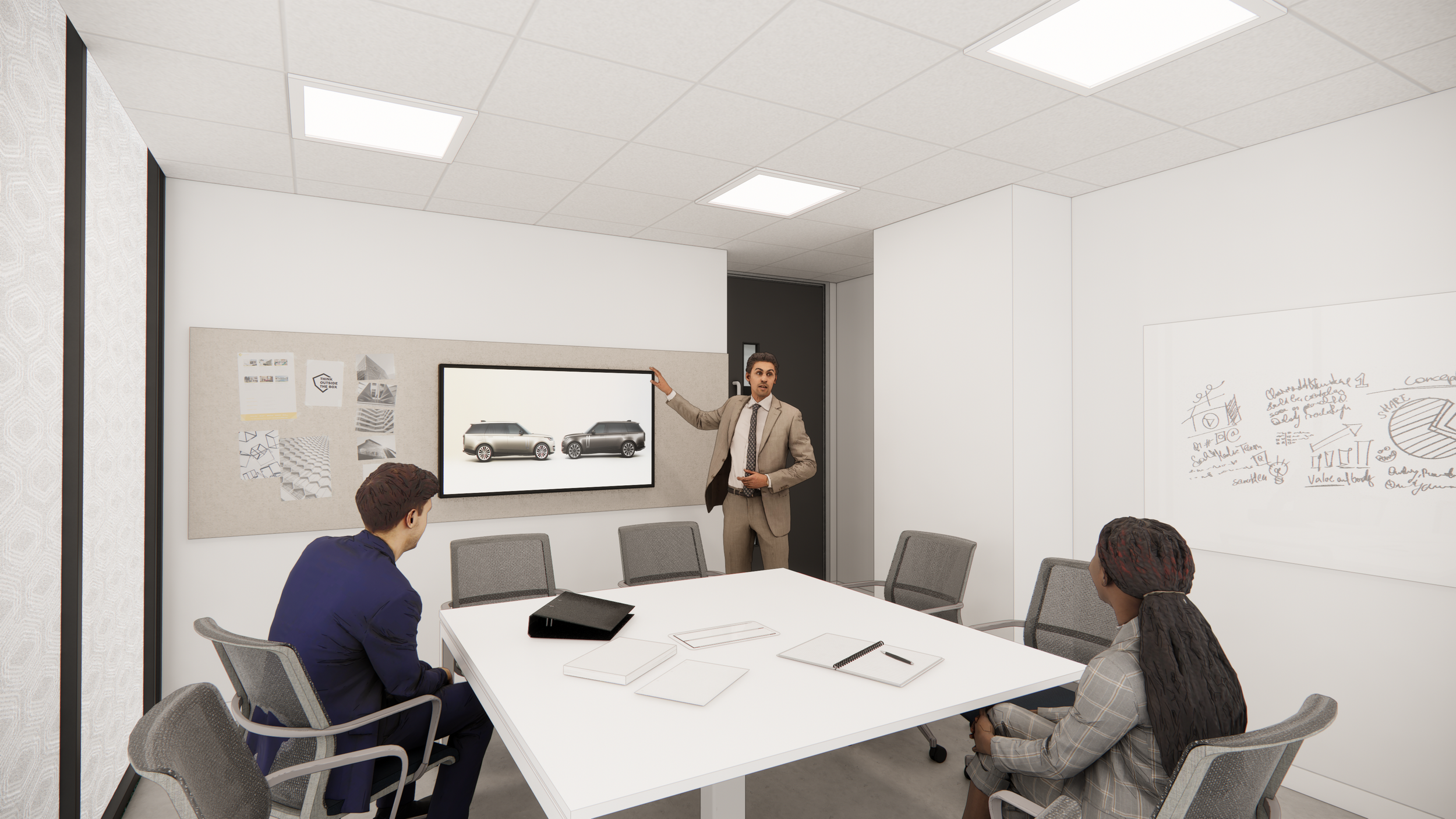
Stakeholder engagement was central to this process. Working sessions were used to define critical activities, support requirements, and future adaptability, ensuring the environment was shaped around real use rather than theoretical capacity.
Durability, clarity, and operational logic informed material and zoning strategies, drawing on lessons learned from earlier technical phases.
“Designed from the inside out, this workshop is shaped by how engineers and vehicles actually move—balancing operational reality, safety, and clarity within a tightly constrained footprint.”
- Heather Saunders, Founder | Principle
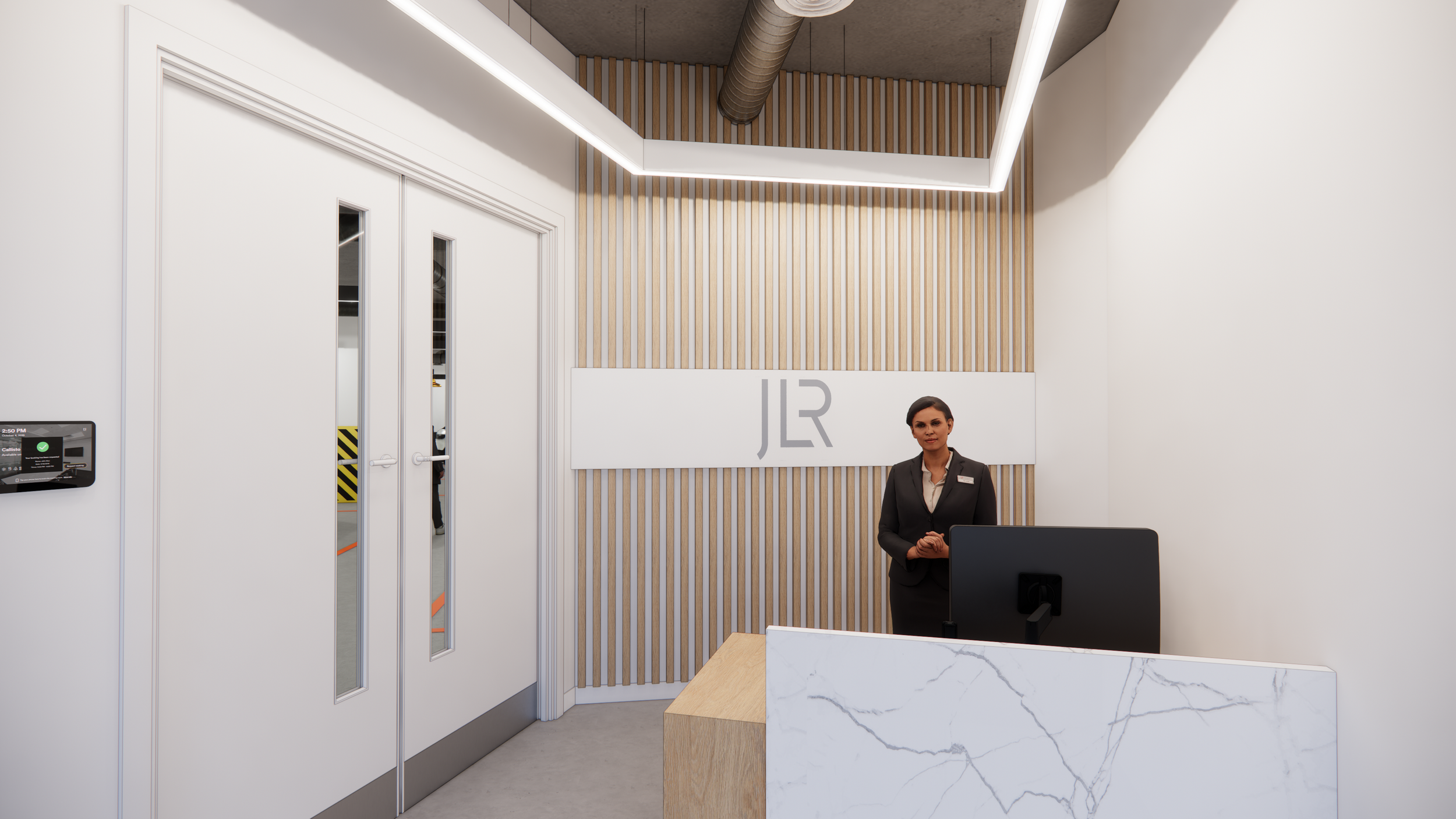
Close collaboration with local delivery partners allowed design intent and technical feasibility to be aligned early. Crux worked alongside the contractor to test scenarios, refine services strategies, and ensure constraints were understood and managed rather than discovered late.
The continuity of team relationships from previous JLR projects in the building strengthened trust and communication, reducing friction and supporting a more confident delivery process.
Scheduled for completion in early 2026, the workshop will provide a fit for purpose technical environment within a carefully optimised footprint. The space balances access, circulation, and operational needs while acknowledging and working within the physical limits of the building.
The project continues Crux’s long-term partnership with JLR in India and demonstrates the value of accumulated knowledge across phased programmes, where each project benefits from the learning of the last.
This project demonstrates Crux’s ability to support highly specialised environments through strategic judgement, technical clarity, and continuity of involvement. By maintaining UK based design leadership and working closely with local teams, we help clients navigate constraints and make informed decisions that protect long term value.
The earlier Crux is involved, the greater the positive impact we can have on feasibility, prioritisation, and delivery confidence. Early engagement allows ambition, constraints, and operational reality to be aligned from the outset.
At Crux, success is measured not only by what is delivered, but by how effectively environments are shaped to support real work, over time, within complex programmes.