

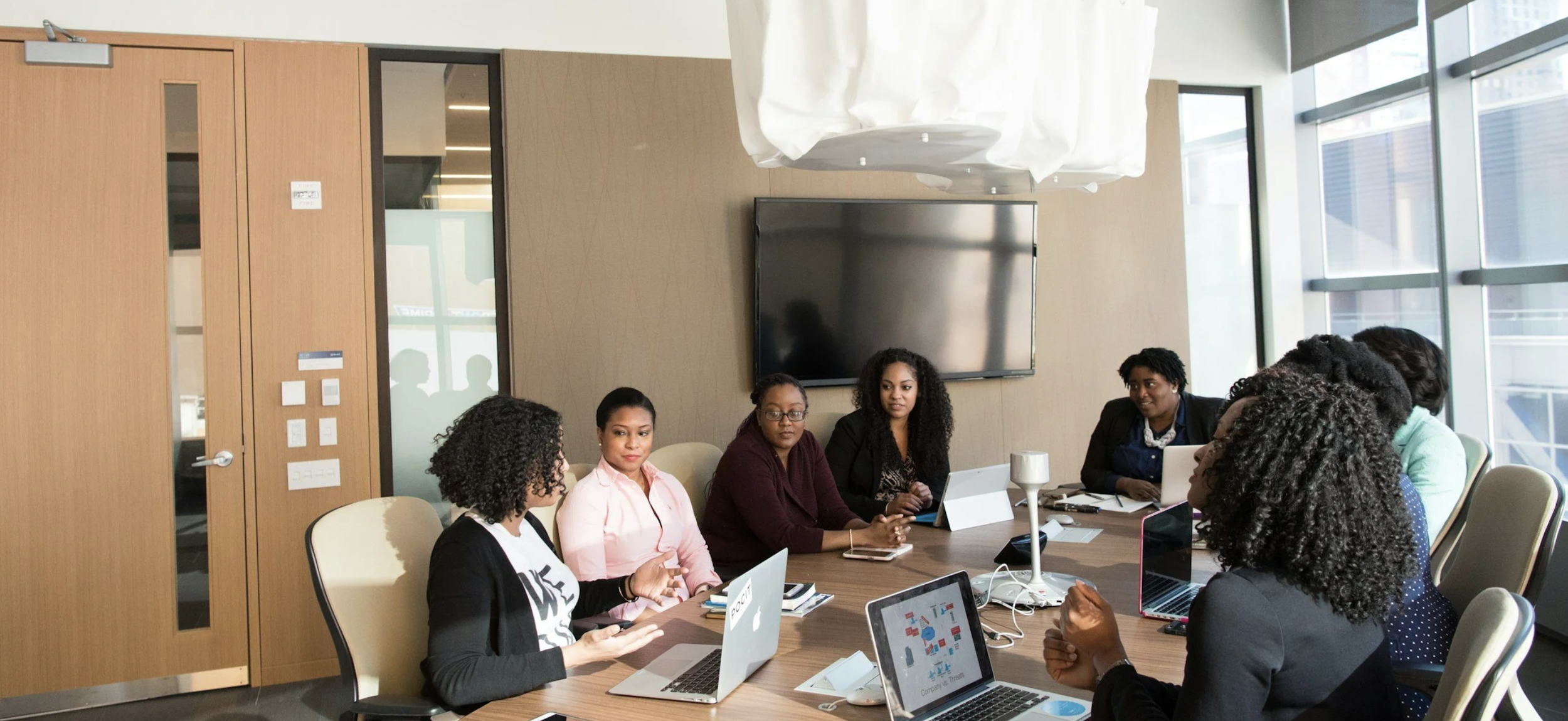
Not a Traditional Studio. A Strategic Delivery Partner.
Many organisations view the workplace as a cost centre. At Crux, we take a different approach. Discover how workplace strategy, design and delivery can transform space into a business asset that supports productivity, collaboration and long-term performance.
ESG Beyond Carbon: Why Indoor Environmental Quality Is the Metric We’re Still Missing.
For years, ESG in the built environment has been defined by carbon. But in prioritising energy and emissions, we’ve overlooked a more immediate driver of value: how buildings actually perform for the people inside them. Indoor Environmental Quality (IEQ)—air, light, acoustics, and thermal comfort—is not a soft “wellbeing” layer. It is a measurable performance system that directly impacts cognitive function, productivity, and long-term business outcomes.
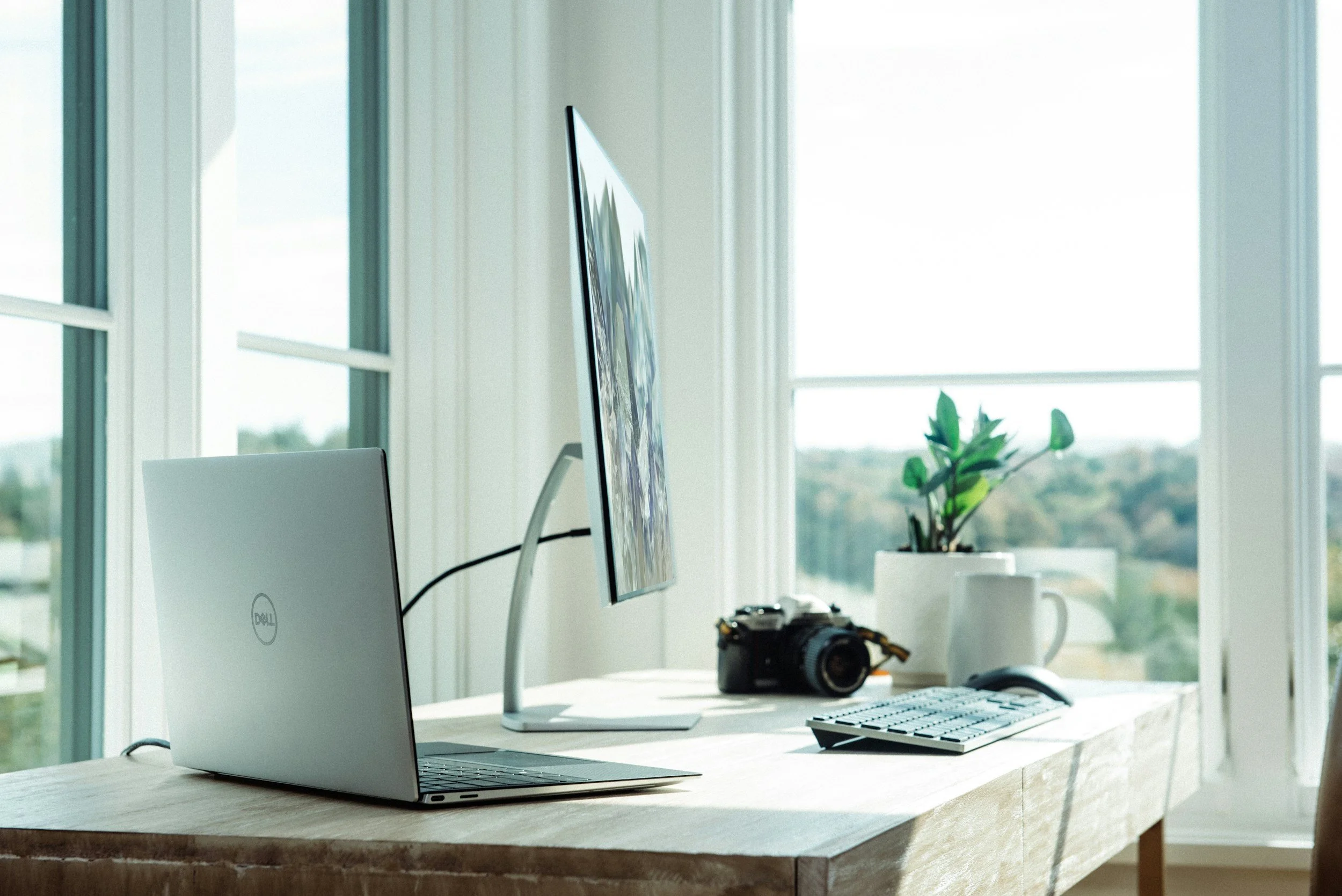
Designing a Home Workspace That Supports Focus, Wellbeing, and Teams Presence
Working from home is no longer temporary, yet many workspaces are still put together rather than properly designed. This guide explores how to create a home workspace that supports focus, wellbeing, and a strong professional presence on Teams—through intentional choices around layout, lighting, acoustics, and environment.
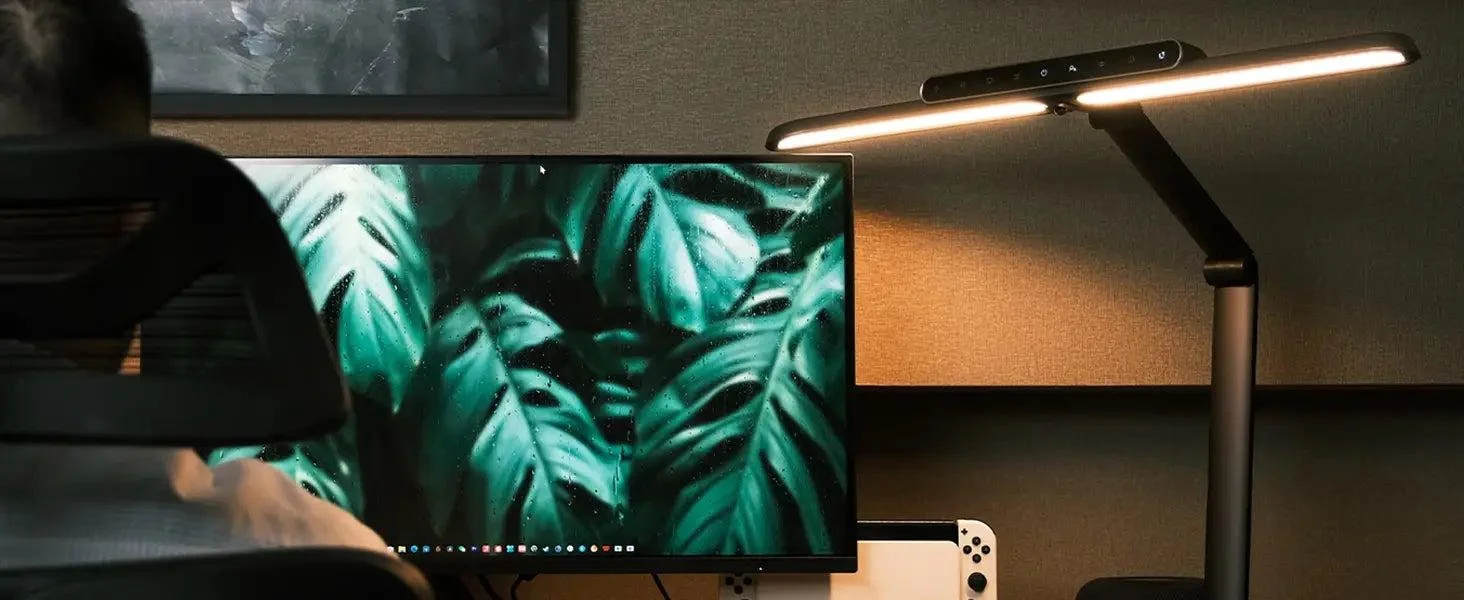
Human-Centric Lighting That Improves Focus
Human-centric lighting challenges the outdated belief that brighter always means better. By aligning lighting conditions with how people actually work—across screens and physical materials—it reduces cognitive strain, improves focus, and enhances performance. More than a wellbeing feature, it is a design strategy that enables precision, adaptability, and measurable gains in productivity.
Inclusion Starts with Geometry
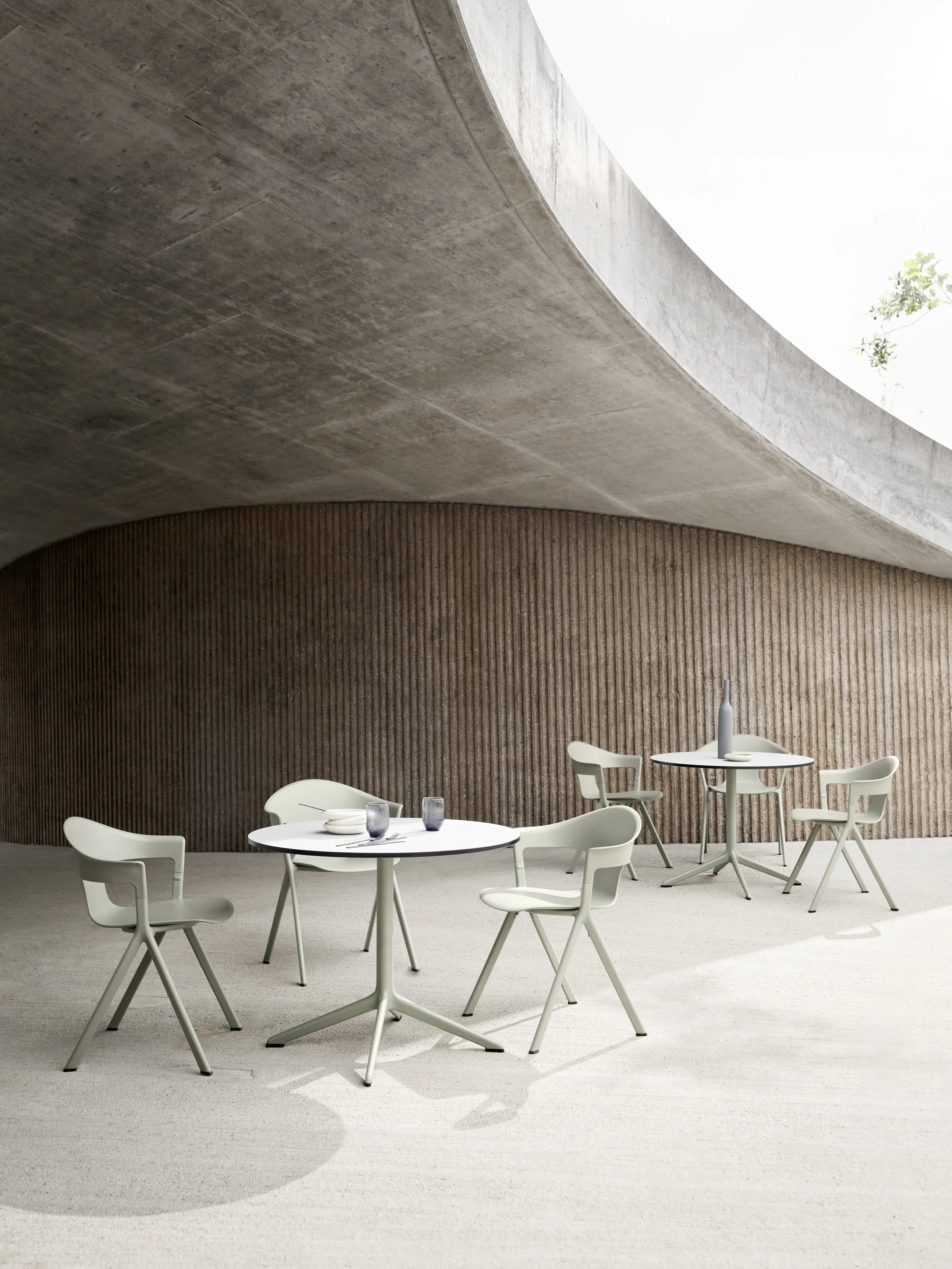
Inclusion is often framed through policy and culture, yet the physical environment plays an equally powerful role. A simple shift from rectangular to round tables can transform how people see, hear, and participate — particularly for those with hearing impairments. Geometry shapes interaction, reduces cognitive strain, and enables more equitable contribution. Sometimes, inclusion doesn’t start with strategy, but with design.
Is Hybrid working broken or meetings are?
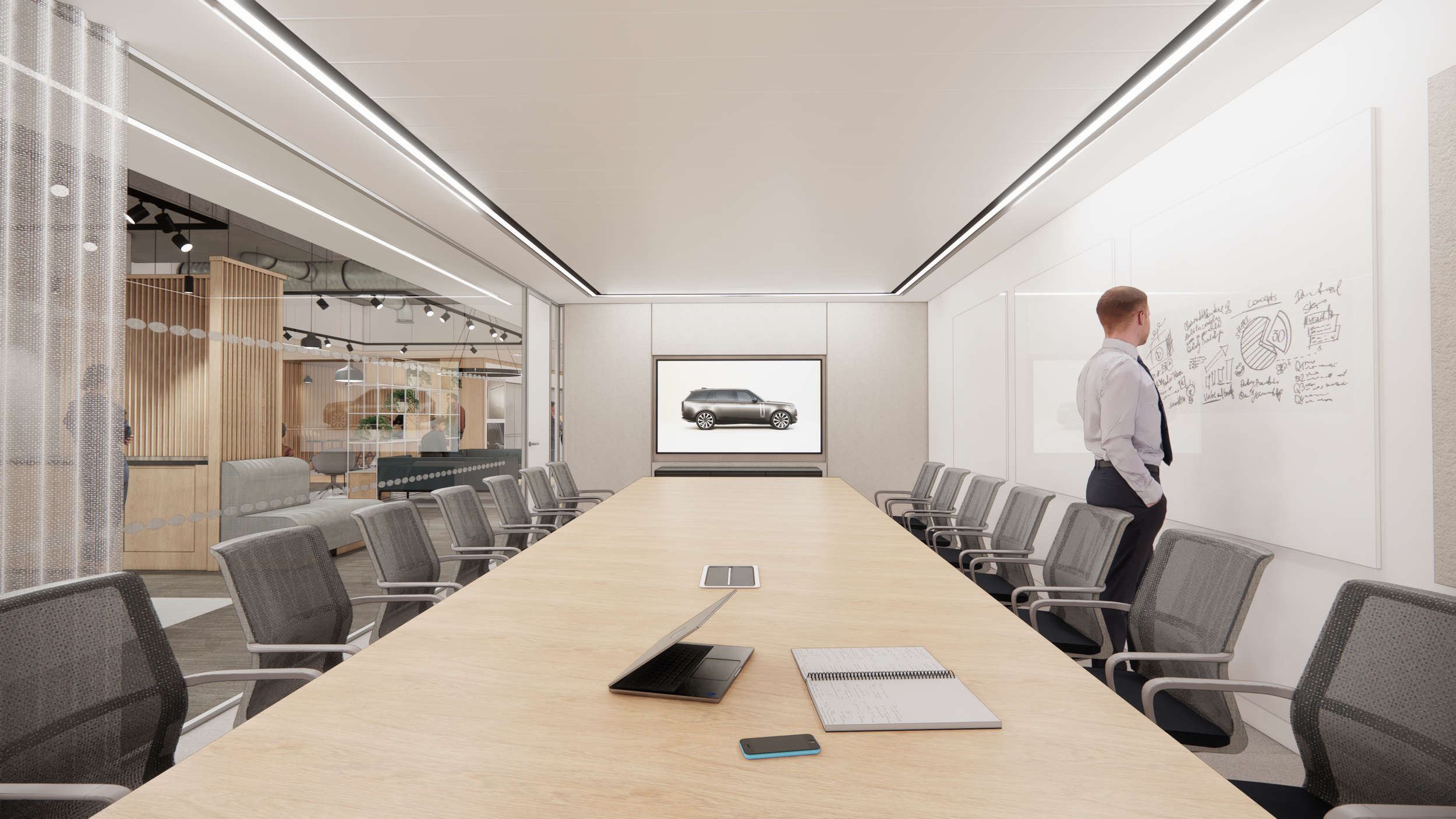
Hybrid work isn’t broken—meetings are. While organisations blame engagement and attendance, the real issue lies in how meeting environments are designed. Poor acoustics, misaligned AV, and outdated spatial layouts create barriers to participation, especially for remote attendees. This article explores why hybrid collaboration fails at the point of connection—and how designing meeting spaces as integrated systems can unlock performance, inclusion, and productivity.
Hybrid Performance at Home: The Environmental Layer We Overlooked
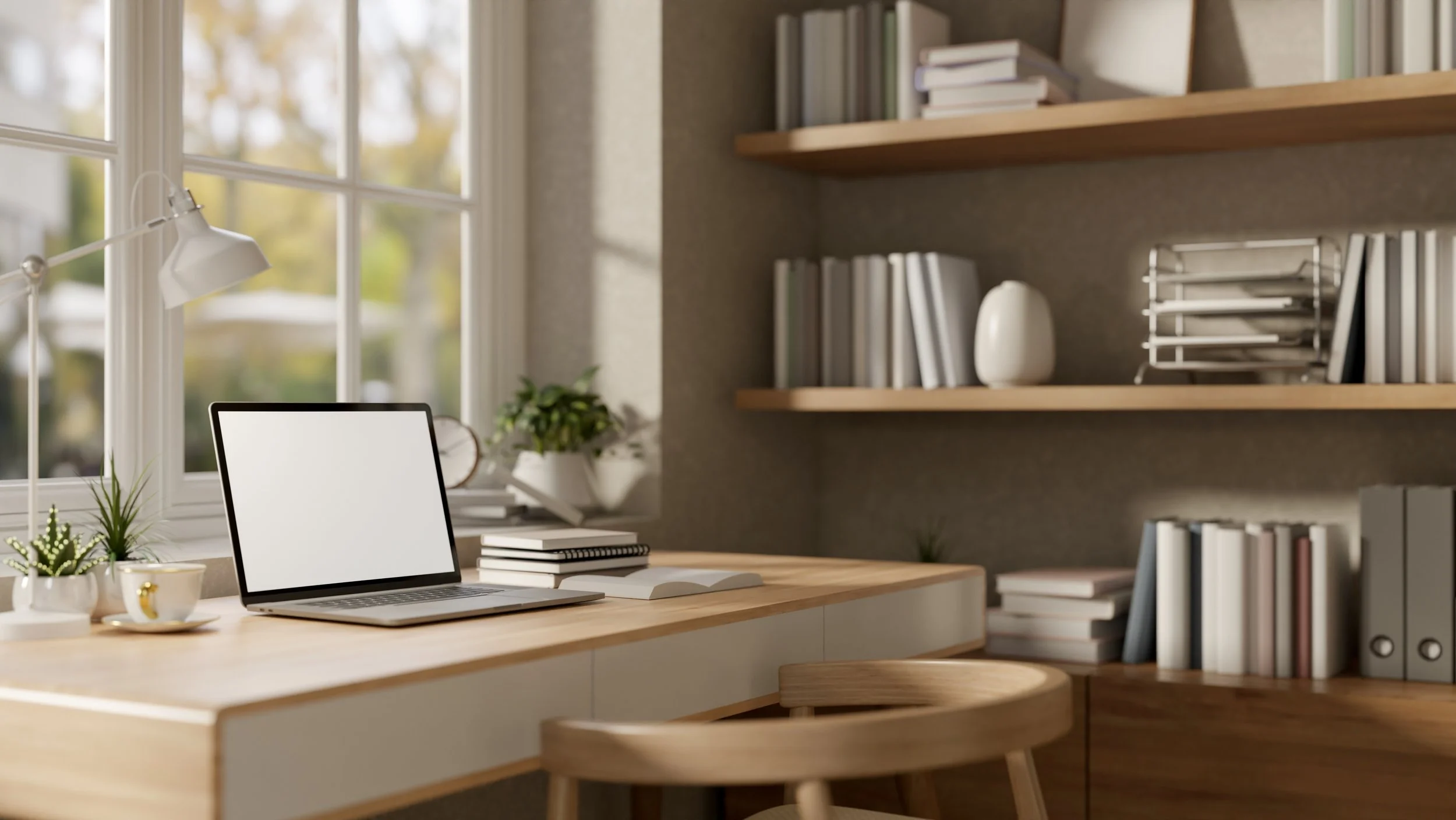
Hybrid performance isn’t limited by technology, it’s shaped by environment.
While organisations have invested heavily in tools and ergonomics, one critical factor remains overlooked: acoustics. Poor sound quality quietly reduces clarity, increases fatigue, and impacts how effectively people communicate. In a hybrid world, improving how we sound is as important as improving how we work.
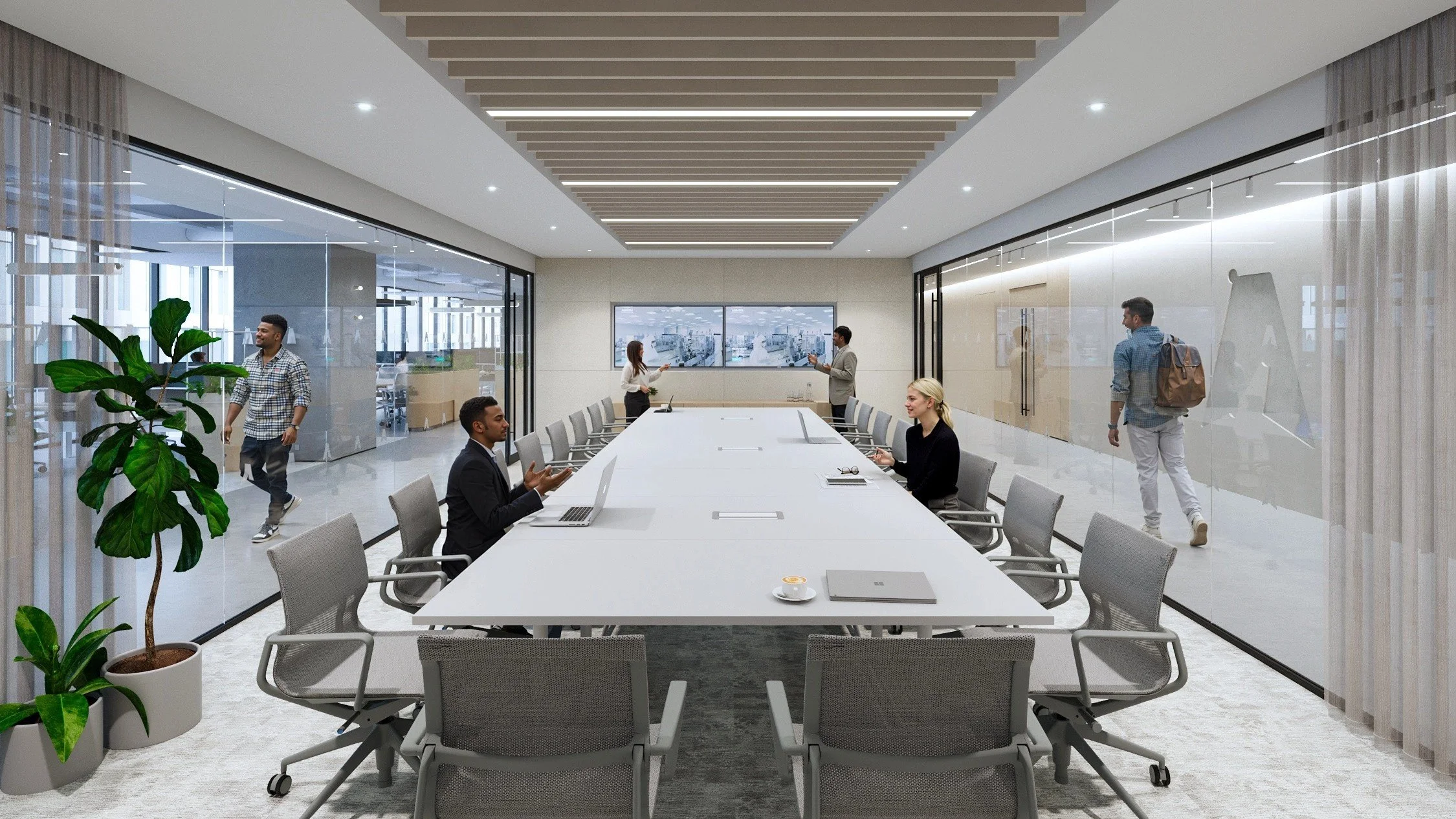
One of the most effective shifts in workplace we’re seeing borrows from an unexpected place: 𝐮𝐫𝐛𝐚𝐧 𝐩𝐥𝐚𝐧𝐧𝐢𝐧𝐠.
Our clients are making decisions today that may not fully land for three to five years—but the consequences of those decisions will shape their organisations for decades. In that context, workplace design is no longer a short-term response to current behaviours; it is a long-term investment in adaptability, culture, and performance.
As hybrid working continues to redefine how and why people come together, the physical office is being reassessed. It is no longer simply a container for tasks. It is an active tool—one that supports collaboration, strengthens connection, and reinforces organisational identity.
In response, workplace design is increasingly borrowing from urban planning. Rather than isolated zones and static layouts, designers are looking to cities for cues on how people move, gather, orient themselves, and connect. One of the most effective expressions of this thinking is the Main Street concept.
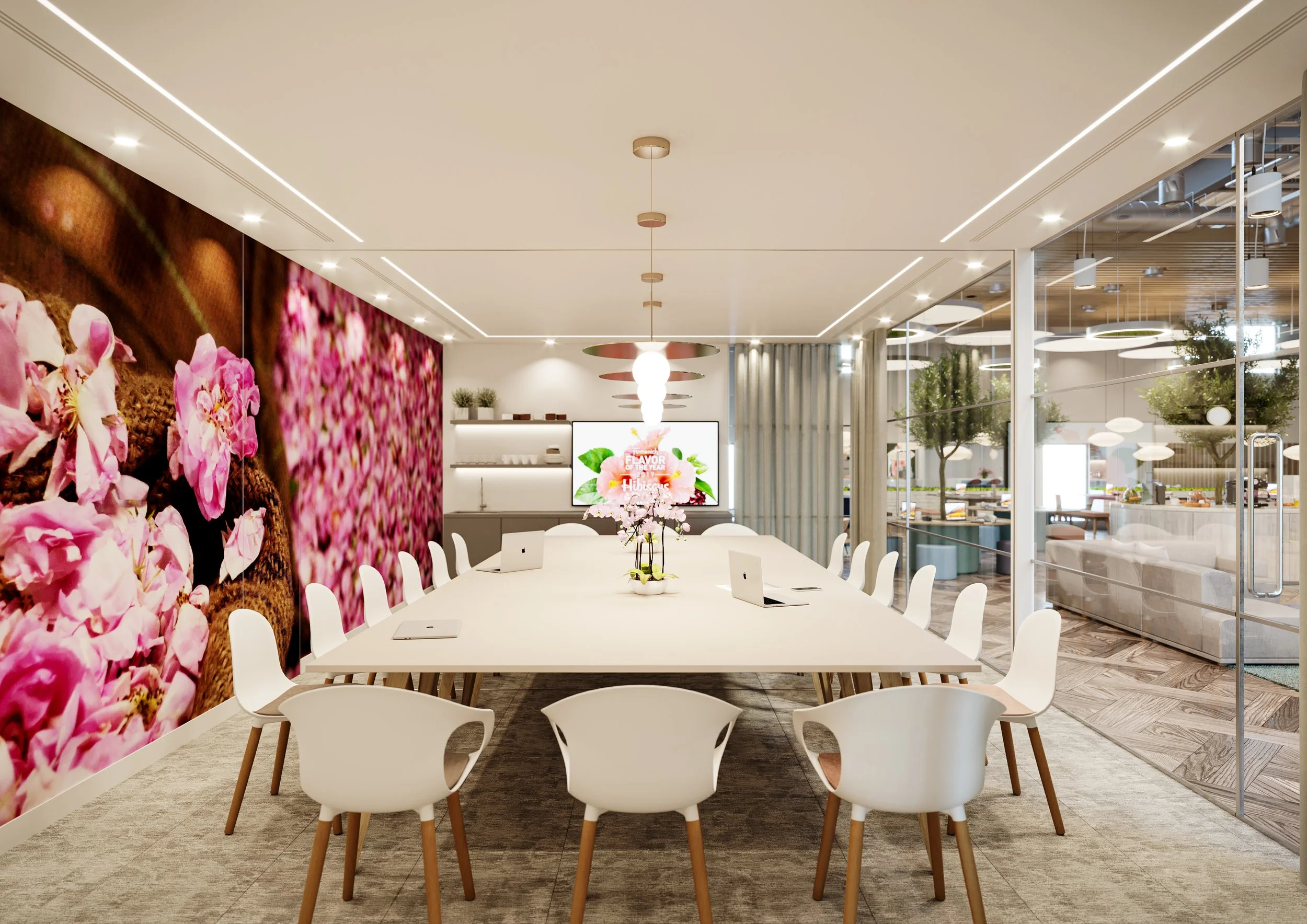
The Evolution Of Work: How Gen Z Is Reshaping Leadership And Workplace Culture
Laboratory design is fundamentally about risk management and operational efficiency. The wrong floor finish, poorly placed riser, or insufficient airflow strategy can compromise not only an experiment but the safety of the team and the longevity of the space. Over years of delivering high-specification R&D and innovation labs, we’ve developed a set of technical principles that consistently drive performance.
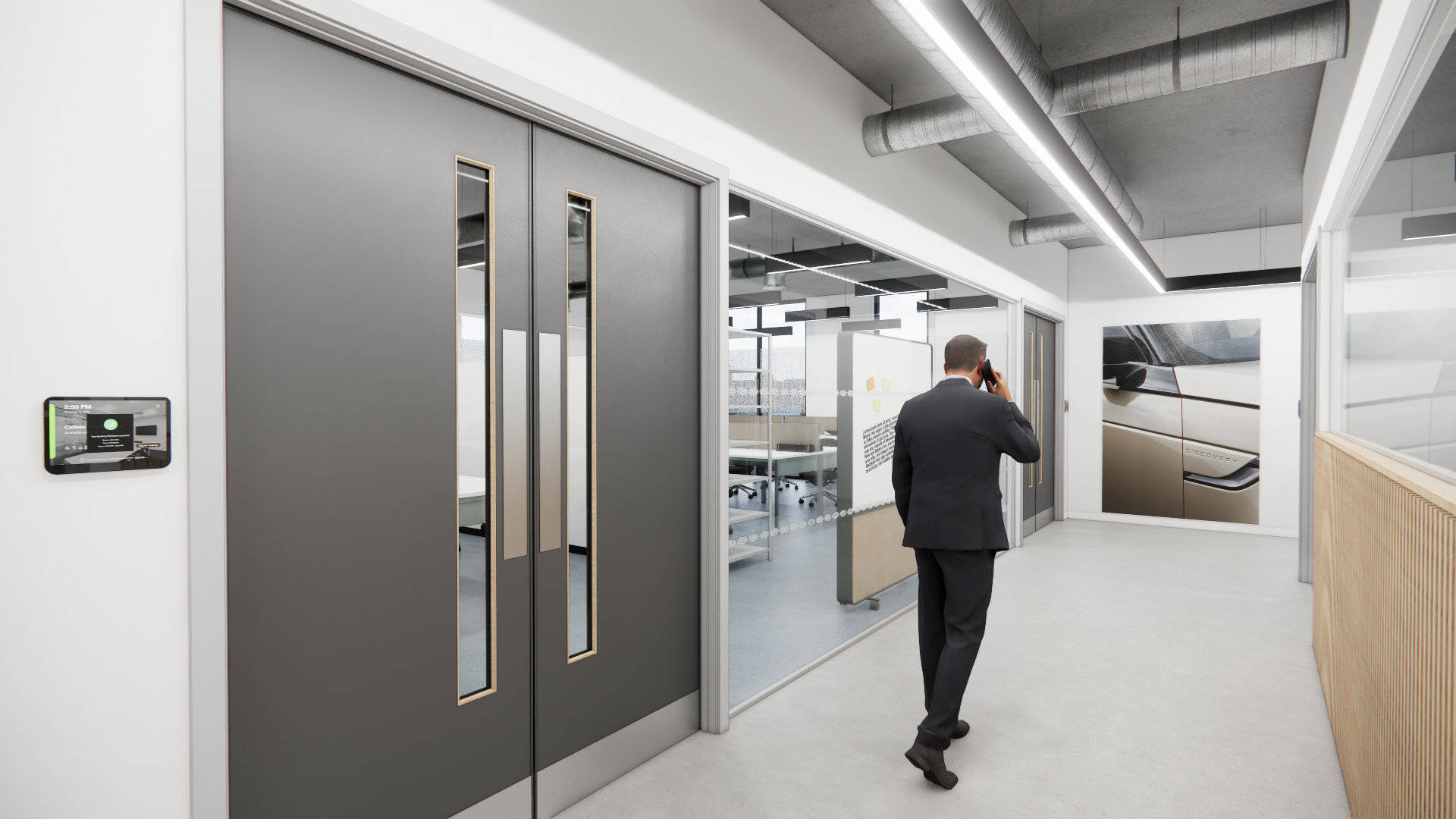
Inside a Lab: Materials, Layouts, and Must-Haves
Laboratory design is fundamentally about risk management and operational efficiency. The wrong floor finish, poorly placed riser, or insufficient airflow strategy can compromise not only an experiment but the safety of the team and the longevity of the space. Over years of delivering high-specification R&D and innovation labs, we’ve developed a set of technical principles that consistently drive performance.

Why I started Crux Design Studio
I started Crux because I genuinely care about my clients and the work we create together. My focus has always been on how I can support their goals, strengthen their teams, and make them shine inside their own organisations. I’ve never been driven by targets set by a board or profit margins for someone else. I’m driven by the impact we can have through great design and genuine partnership.