

Inclusion Starts with Geometry
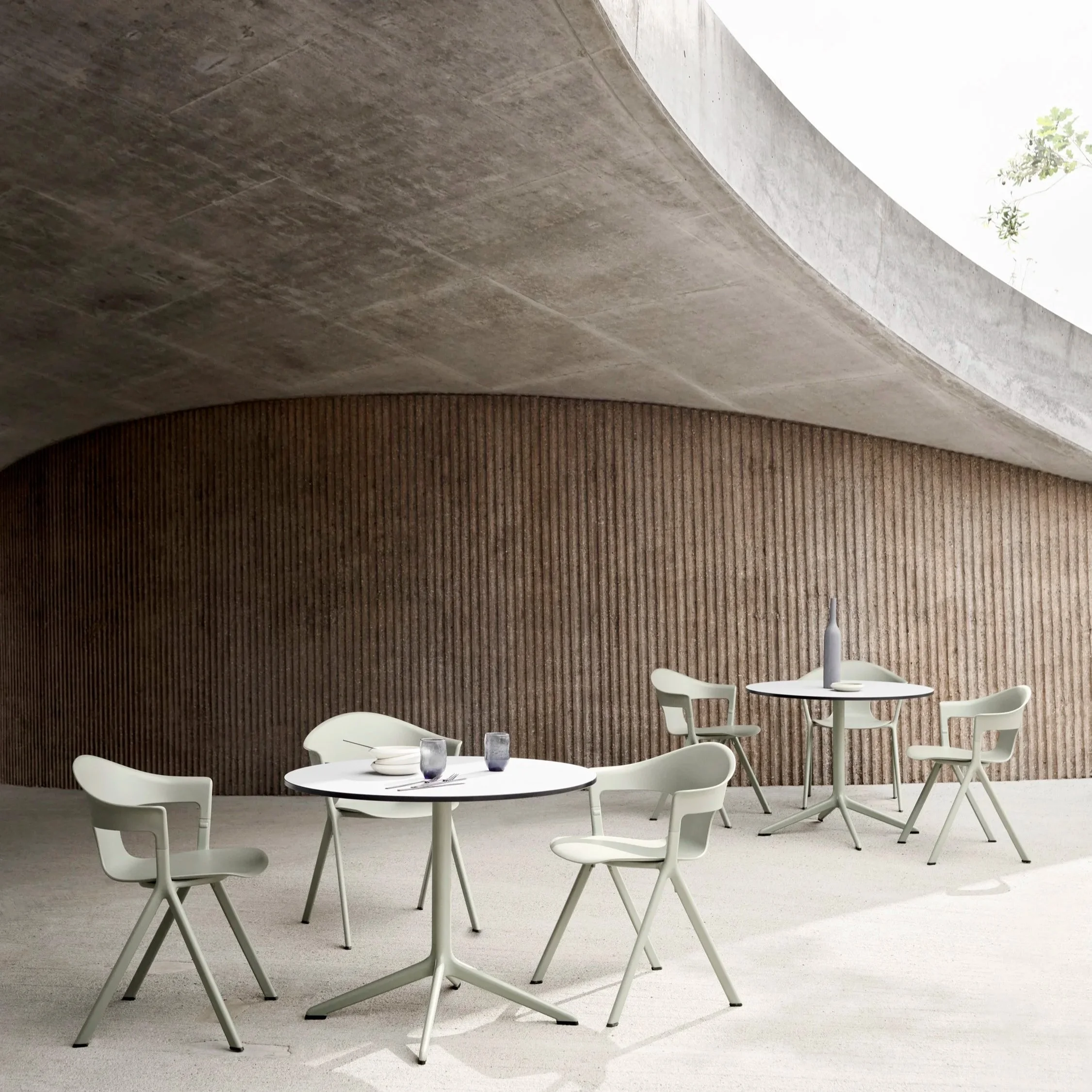
Why Round Tables Matter More Than We Think This Christmas, I was reminded that inclusion is not always policy led.
Sometimes, it is geometry.
For years, our large family celebrations followed a familiar format: long rectangular tables, extended to accommodate everyone. Efficient. Traditional. Practical.
This year, we did something different. We rented a large round table.
It fundamentally changed the experience — particularly for my mother-in-law, who wears hearing aids.
The Invisible Effort Behind “Keeping Up” Like many professionals with hearing loss, she manages beautifully in one-to-one settings. In small groups, conversation flows naturally.
But large meals are different.
At rectangular tables:
Sightlines are fragmented.
You can only see a limited number of faces clearly.
It’s not always obvious who is speaking.
Conversations overlap.
Interruptions create disorientation.
Lip-reading becomes inconsistent.
When you cannot immediately identify the speaker, the brain works harder to process direction, tone, and content. It becomes cognitively exhausting.
Most people compensate quietly.
Few people comment.
I hadn’t fully appreciated the extent of this invisible effort until this year.
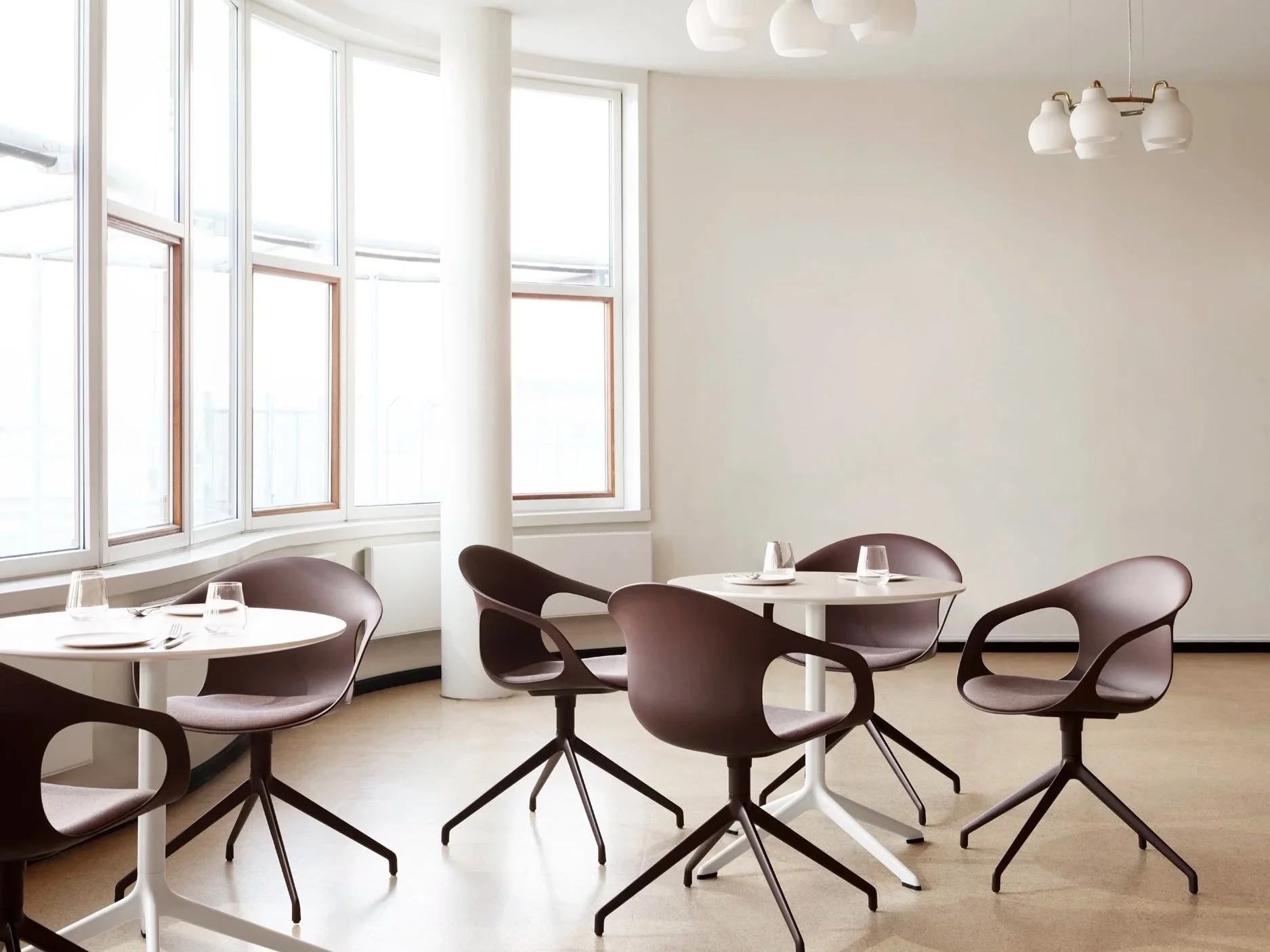
What Changed With a Round Table
At the round table, the dynamics shifted instantly.
She could see everyone.
She knew exactly who was speaking.
As conversations became animated — multiple voices, laughter, overlapping dialogue — she could visually track the exchange. She could lip-read across the table. She caught the humour. She joined in without hesitation.
Afterwards, she said it was one of her best Christmases ever.
Not because of the food.
Not because of the gifts.
Because she felt fully included.
That comment stayed with me.
Inclusion Is Spatial In leadership discussions, inclusion is typically framed through:
Policy
Culture
Representation
Strategy
All critical.
But inclusion is also physical.
The geometry of a room shapes:
Who can see whom
Who instinctively leads
Who feels peripheral
Who withdraws
Who expends unnecessary cognitive effort
Rectangular tables often reinforce hierarchy. There is a perceived “head.” Side conversations form more easily. Some participants sit outside primary sightlines.
Round tables remove the head position.
They equalise eye contact.
They clarify speaker direction.
They reduce ambiguity.
For colleagues who are hearing-impaired — whether visibly or invisibly — this matters significantly.
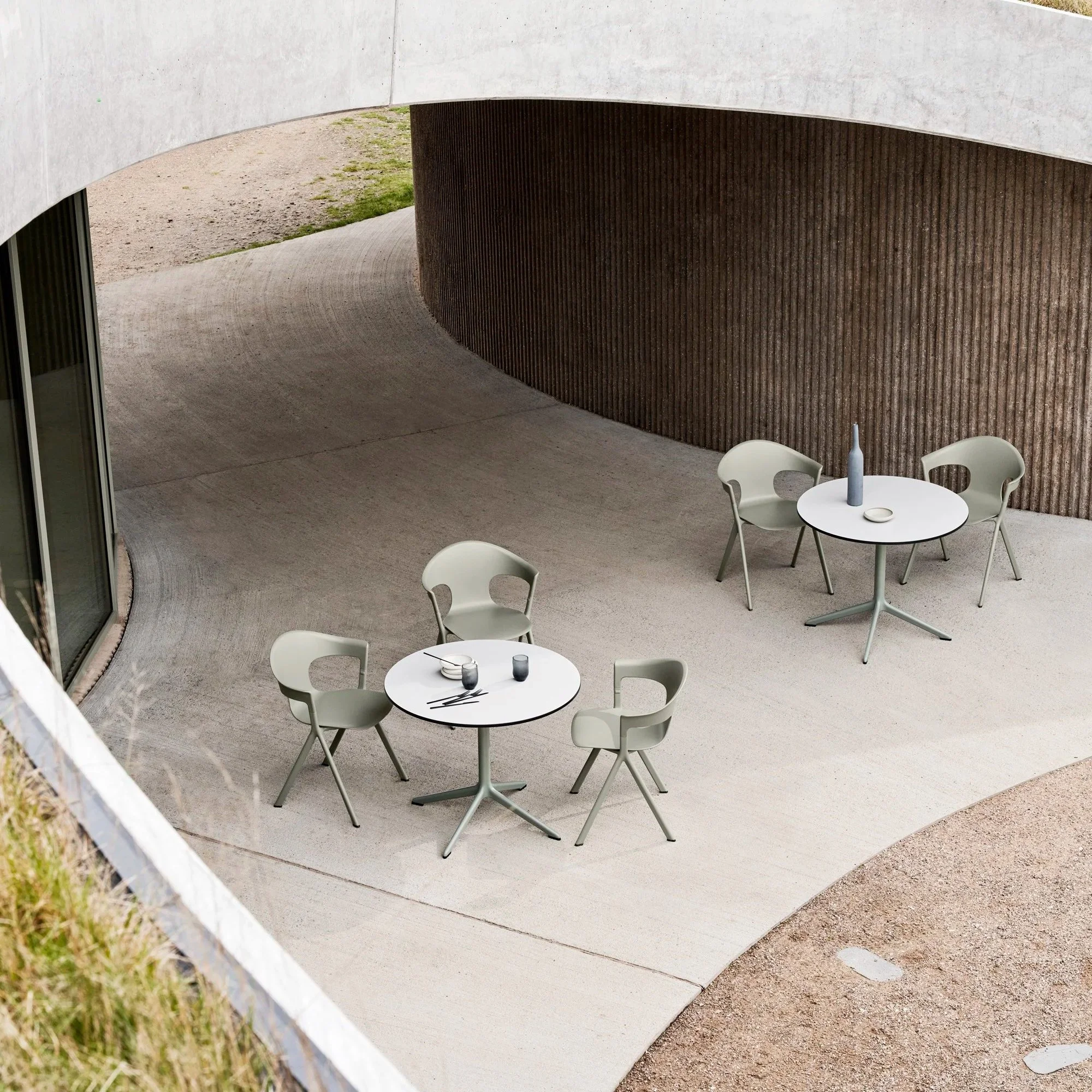
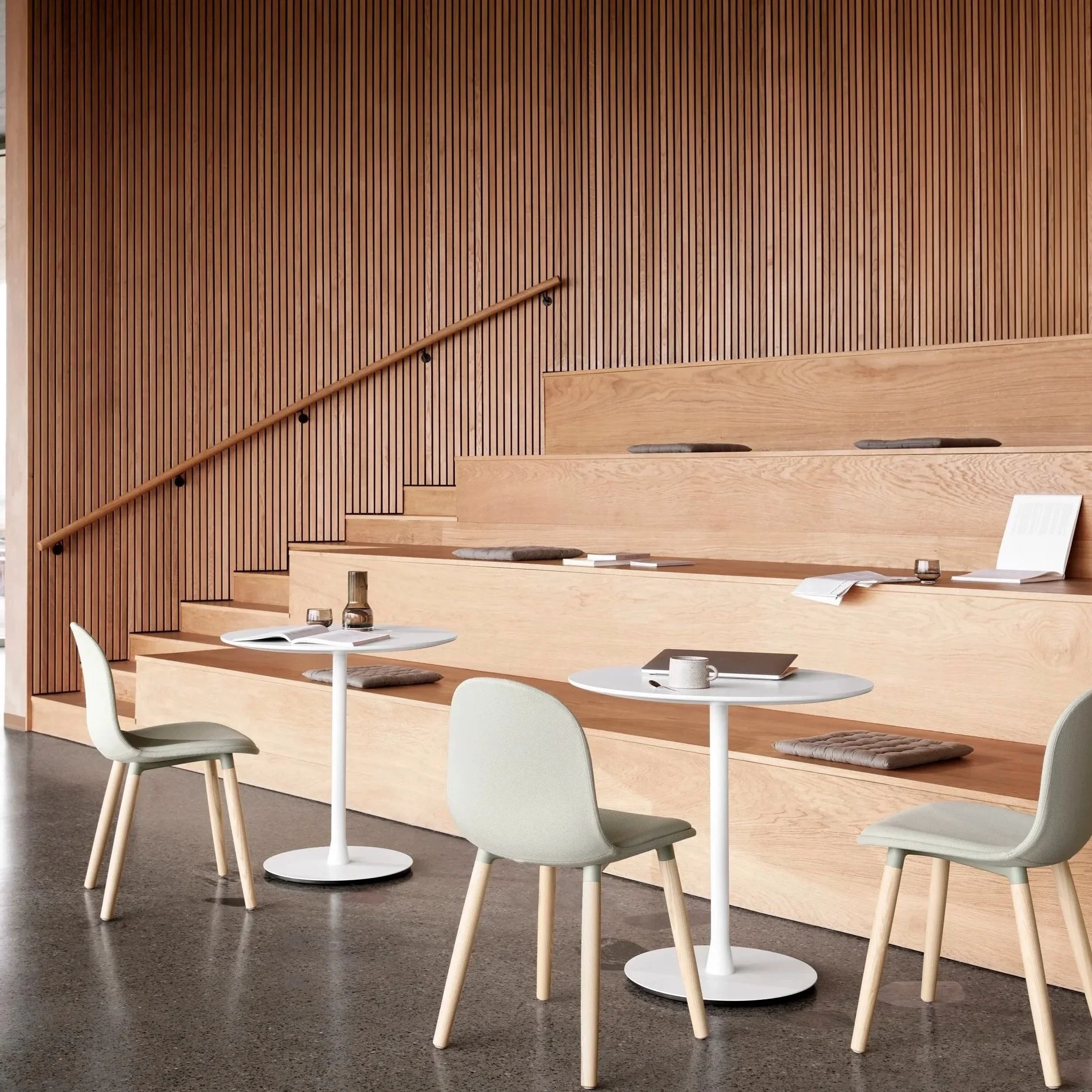
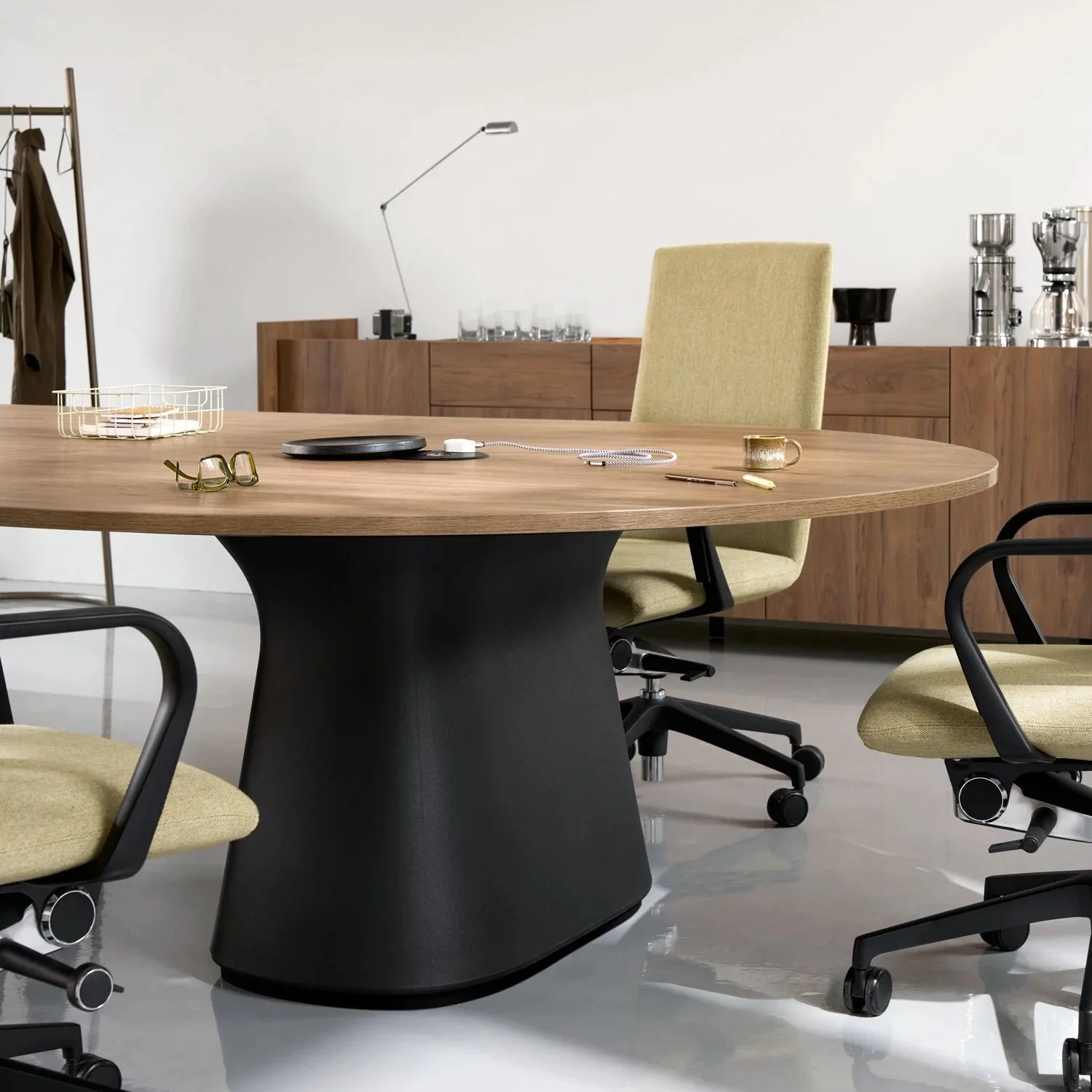
The Workplace Implications In the environments we design at Crux Design Studio, collaboration is central — particularly within innovation labs, engineering environments, and executive briefing spaces.
We specify round and radial formats deliberately in:
Leadership meeting rooms
Strategy workshops
Innovation spaces
Collaboration hubs
Not for aesthetic novelty.
But because they support:
Equitable participation
Clear sightlines
Reduced dominance cues
Better conversational flow
Lower cognitive strain
In high-performance organisations, the ability to contribute confidently in group settings is essential.
If someone cannot easily follow the discussion, they will participate less.
If they participate less, the organisation loses perspective, experience and insight.
Inclusion, therefore, is not abstract. It is operational.
Designing for Needs That Are Rarely Disclosed Hearing impairment is often invisible.
Many professionals:
Wear discreet hearing aids
Avoid highlighting challenges
Self-manage in silence
Gradually withdraw from high-energy group settings
As designers and leaders, we cannot rely on disclosure.
We must design for inclusion by default.
Sometimes that means acoustics, sound absorption and technology.
Sometimes it means behavioural protocols.
And sometimes, it is as simple as rethinking the shape of a table.
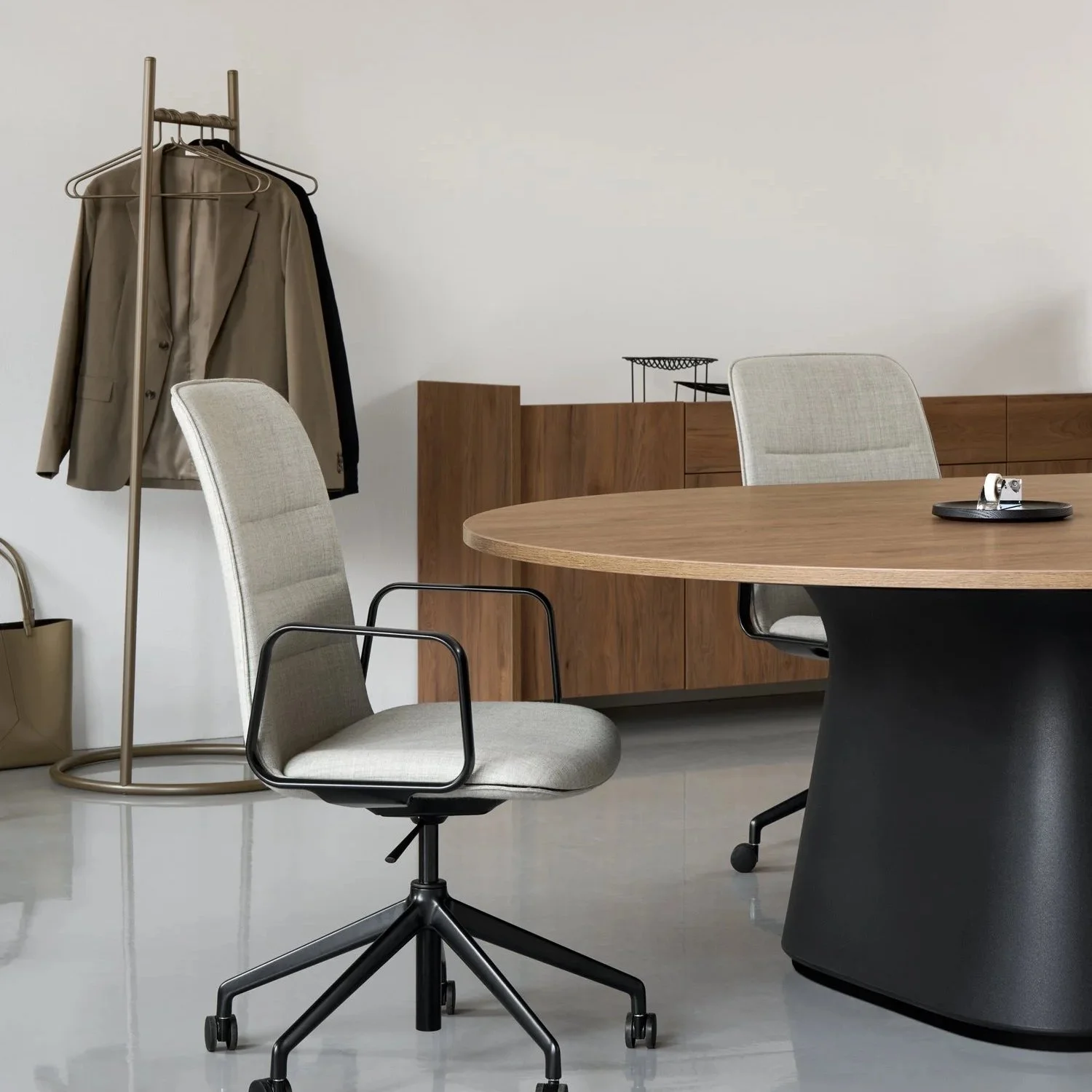
A Leadership Question
When designing collaboration environments, it is worth asking:
Who might be working harder than everyone else to stay engaged?
What subtle hierarchies are embedded in our layouts?
How might geometry either enable or inhibit participation?
The lesson from one Christmas lunch was clear.
A circle allowed someone I care deeply about to fully engage — to follow the conversation, to laugh in real time, to feel connected rather than peripheral.
That is not sentimental.
That is performance.
Inclusion starts with culture.
But sometimes, it begins with a circle.
