

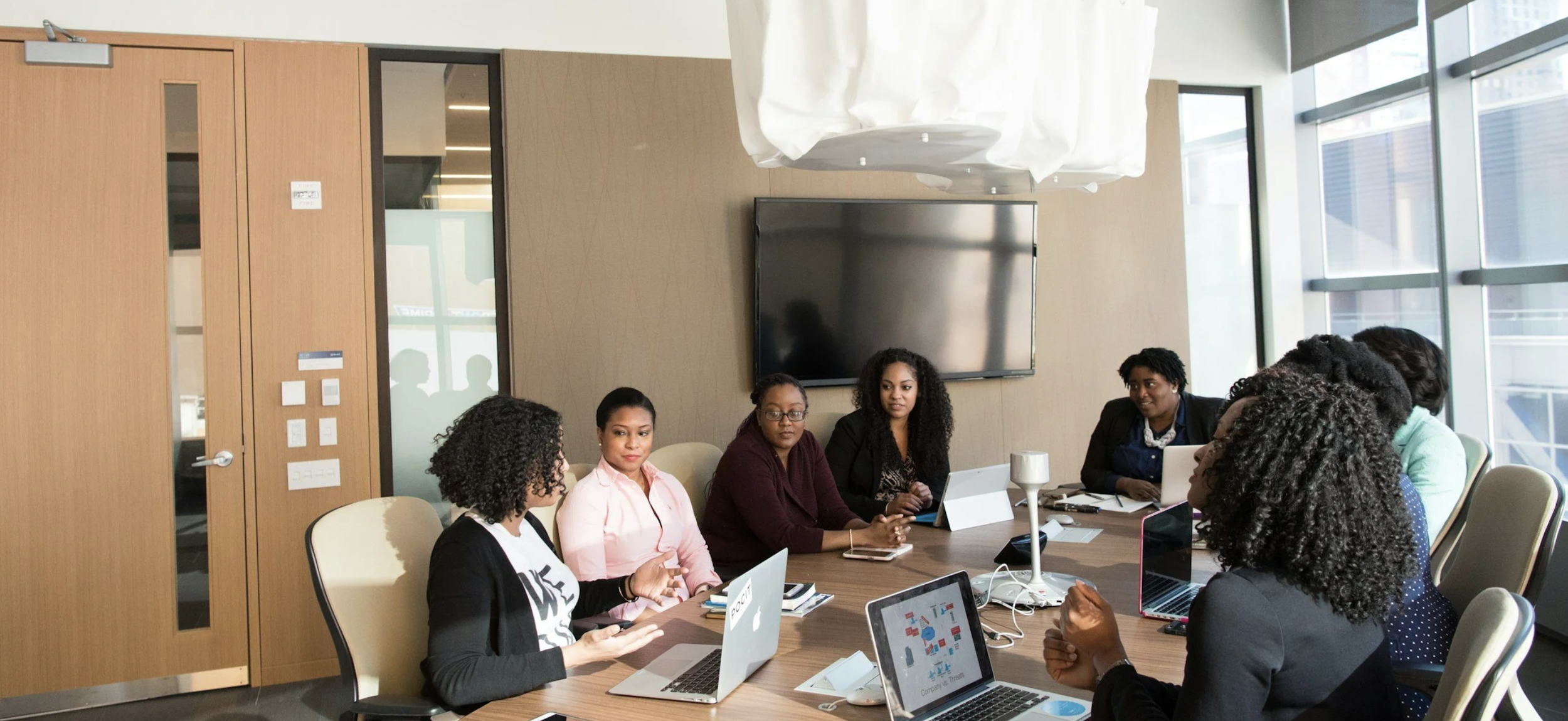
Not a Traditional Studio. A Strategic Delivery Partner.
Many organisations view the workplace as a cost centre. At Crux, we take a different approach. Discover how workplace strategy, design and delivery can transform space into a business asset that supports productivity, collaboration and long-term performance.
Inclusion Starts with Geometry
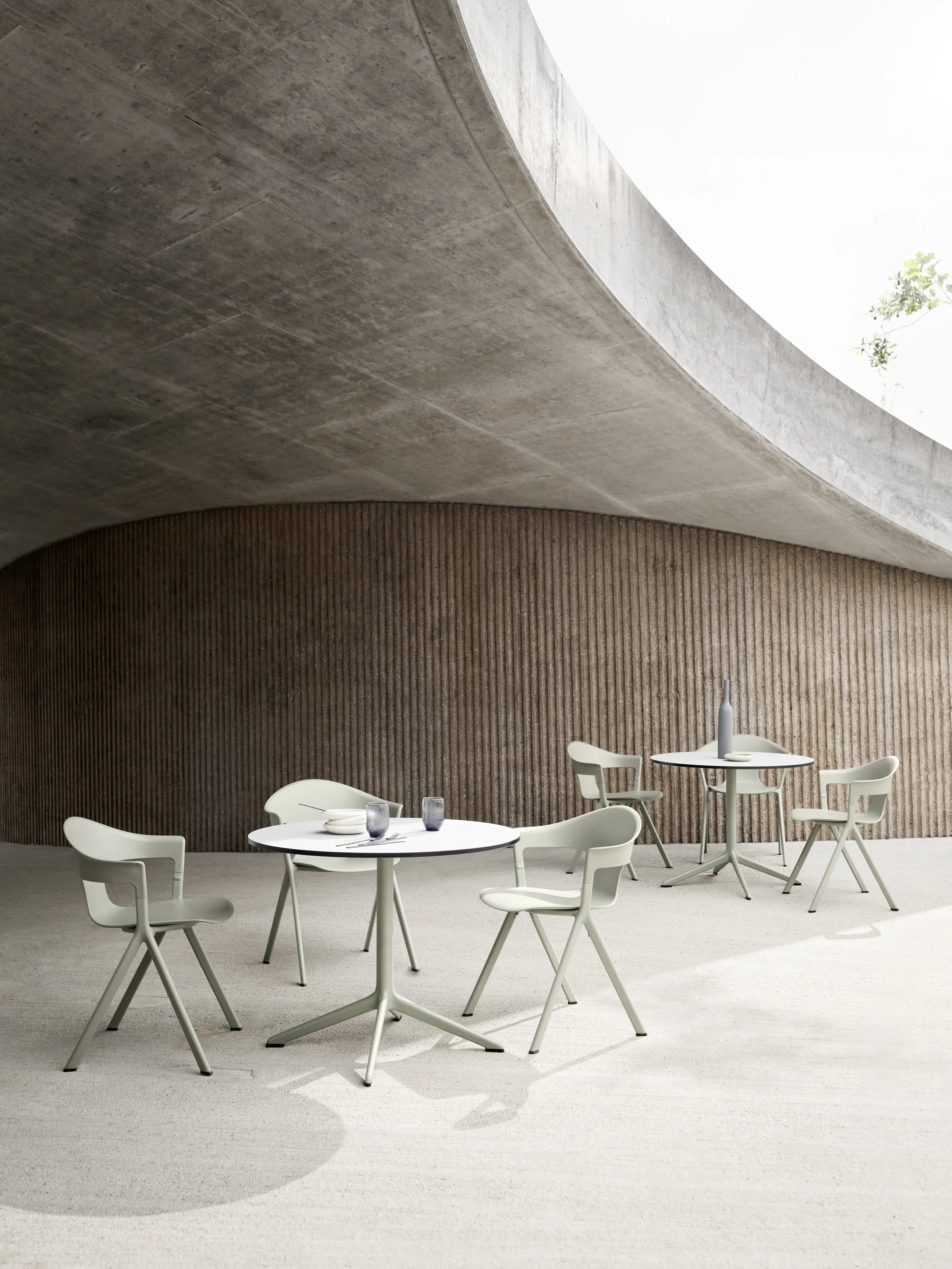
Inclusion is often framed through policy and culture, yet the physical environment plays an equally powerful role. A simple shift from rectangular to round tables can transform how people see, hear, and participate — particularly for those with hearing impairments. Geometry shapes interaction, reduces cognitive strain, and enables more equitable contribution. Sometimes, inclusion doesn’t start with strategy, but with design.
Is Hybrid working broken or meetings are?
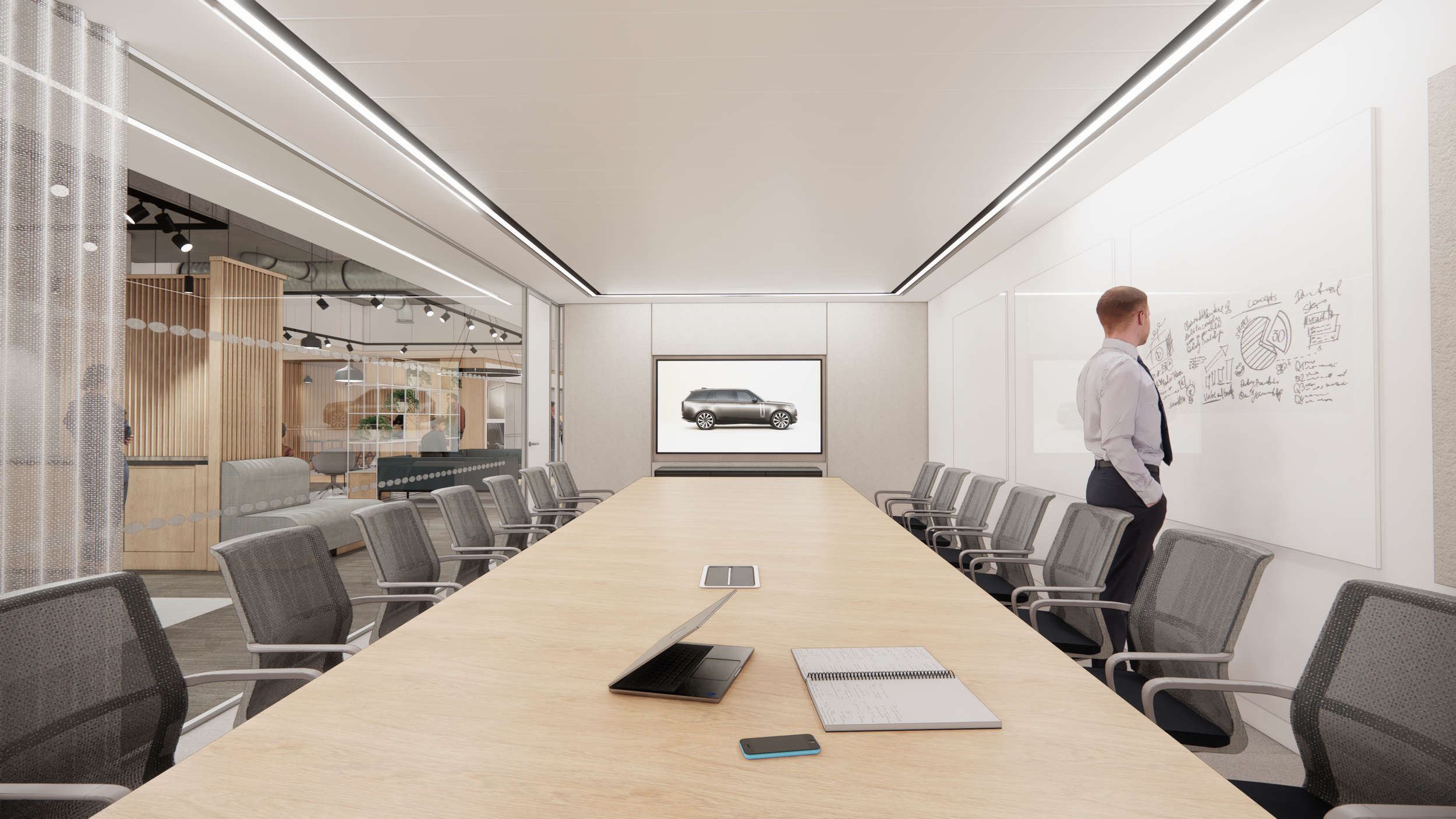
Hybrid work isn’t broken—meetings are. While organisations blame engagement and attendance, the real issue lies in how meeting environments are designed. Poor acoustics, misaligned AV, and outdated spatial layouts create barriers to participation, especially for remote attendees. This article explores why hybrid collaboration fails at the point of connection—and how designing meeting spaces as integrated systems can unlock performance, inclusion, and productivity.