

FirmenichCommercial & Research Environment
|
Category
Interior Design, Architecture
Location
France
Type
Workplace, Laboratories, Workplace Strategy
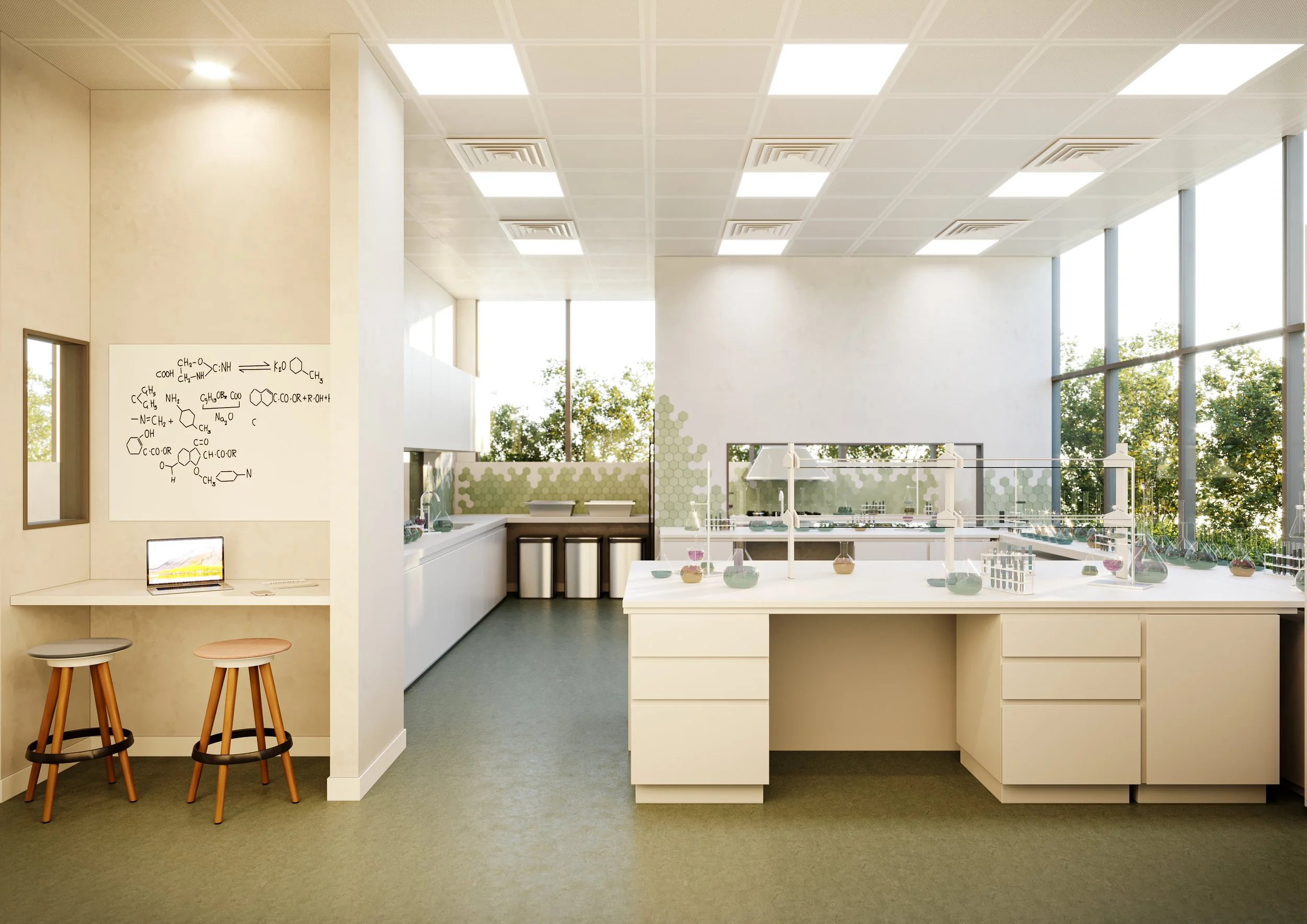
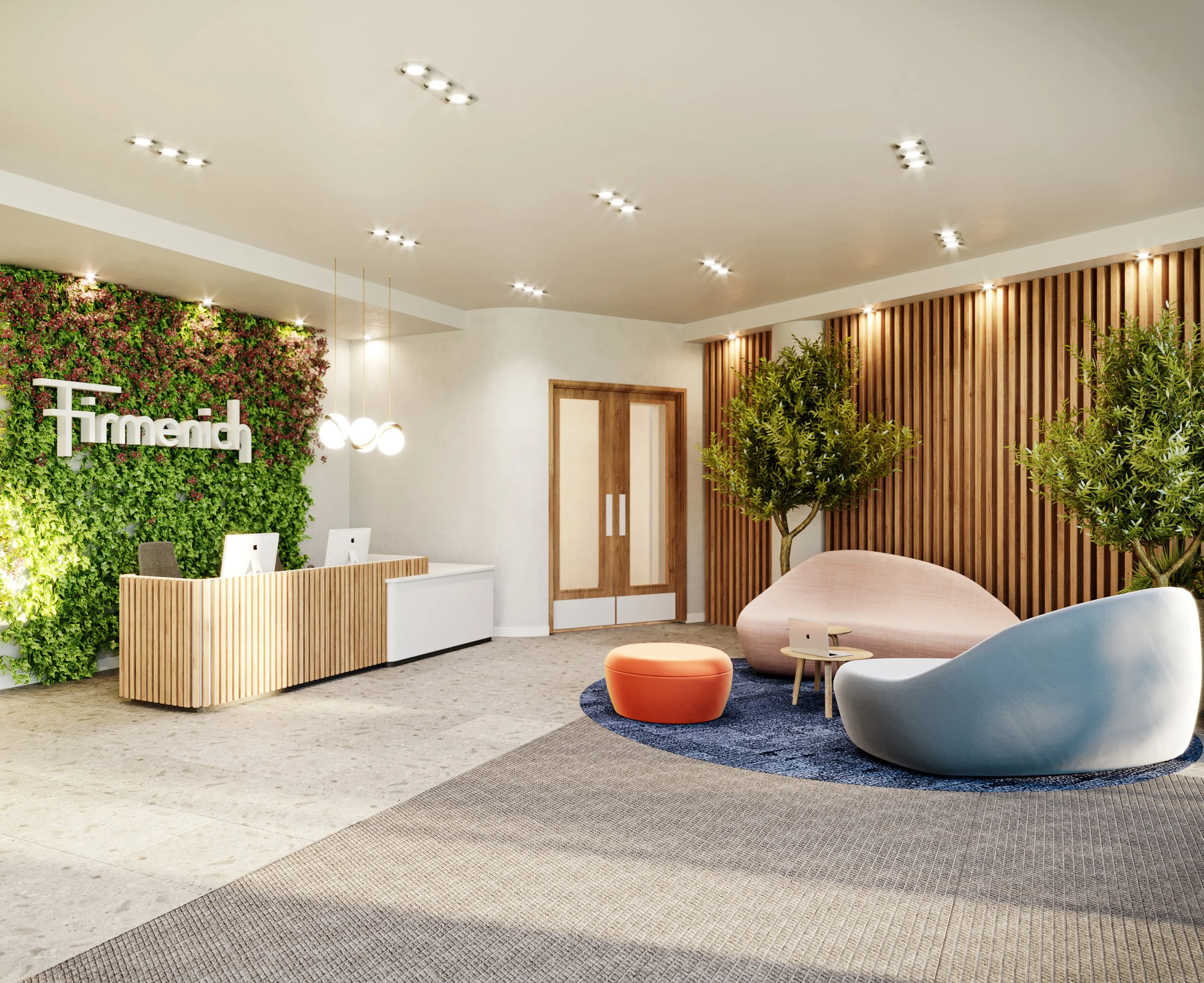
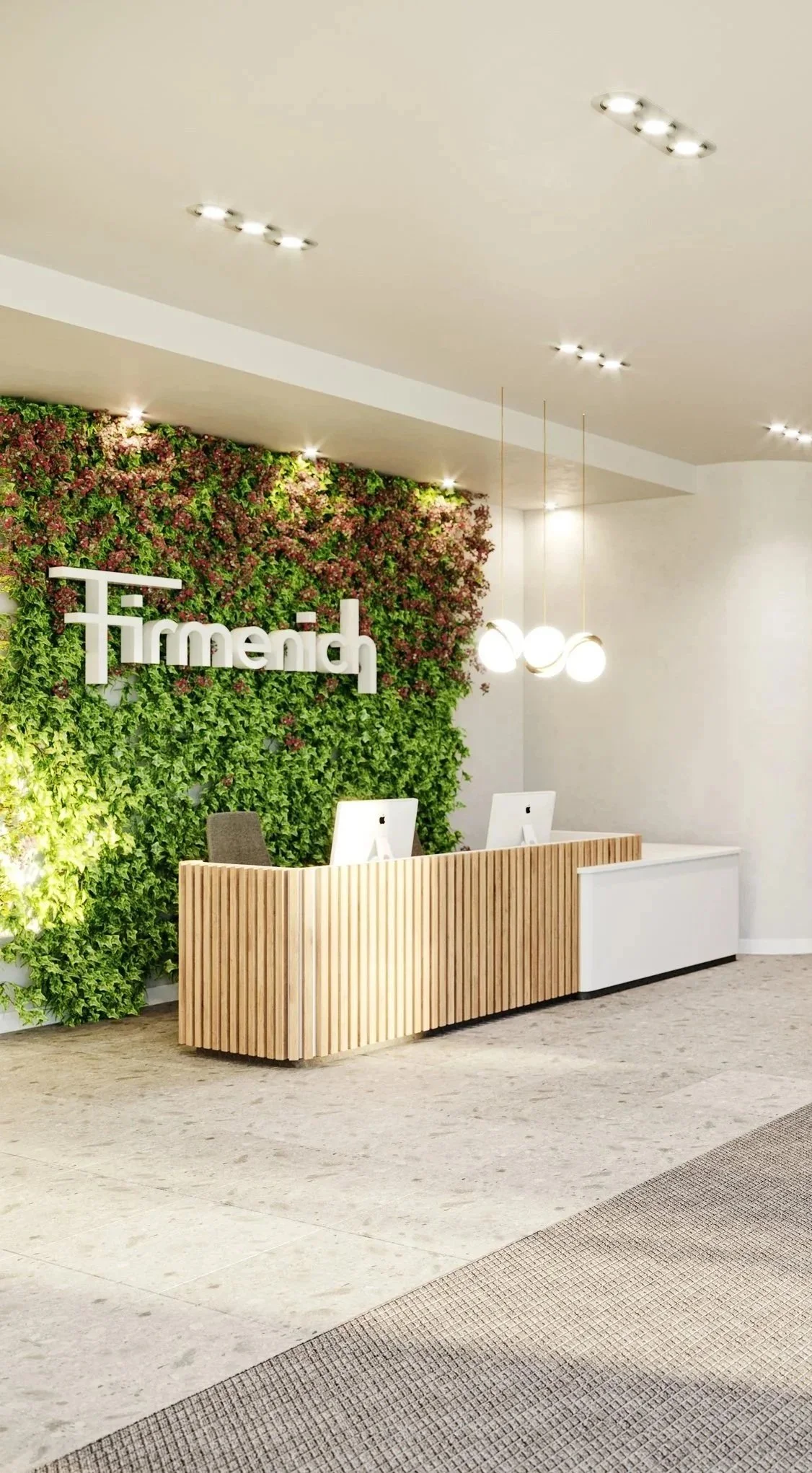
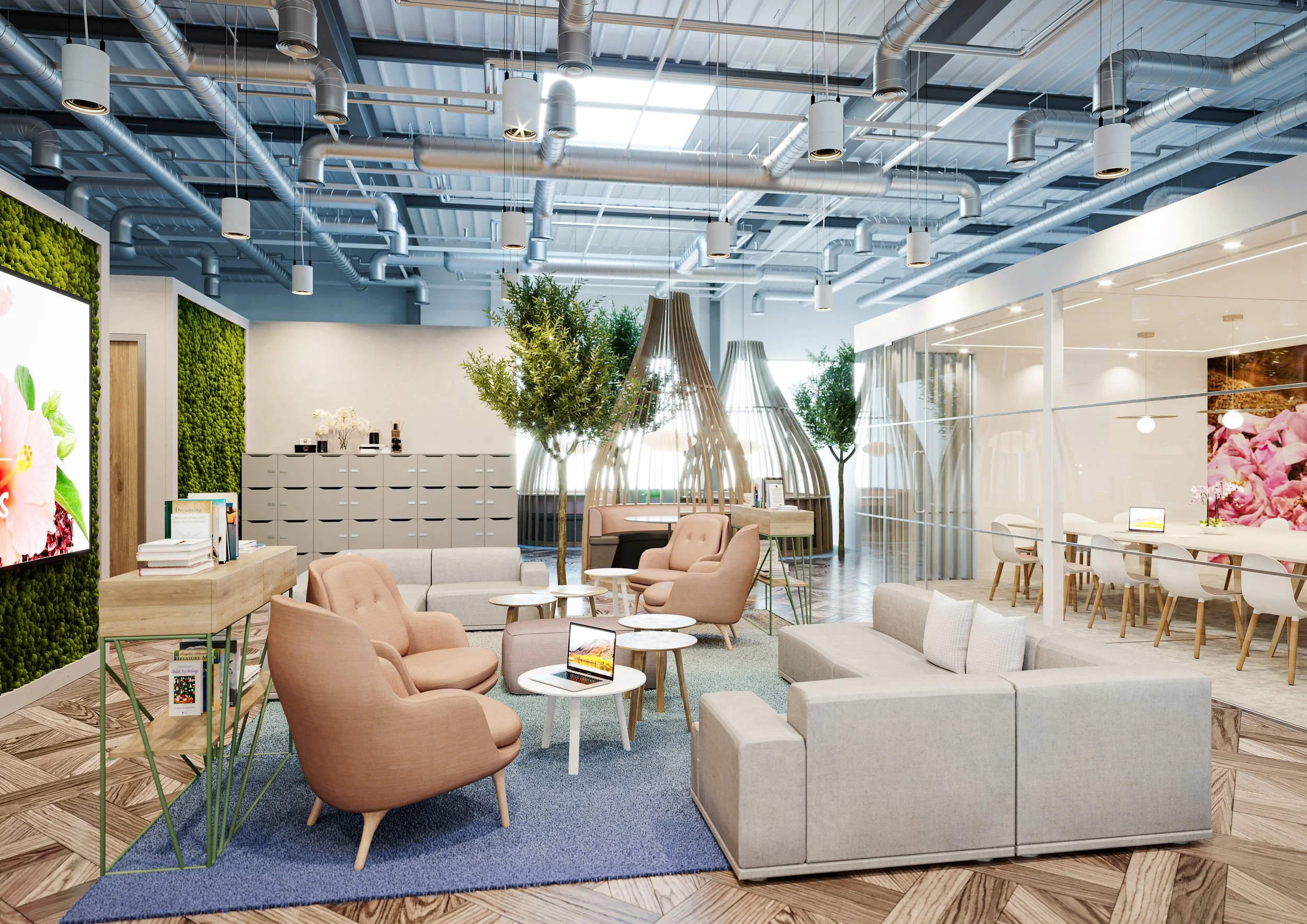
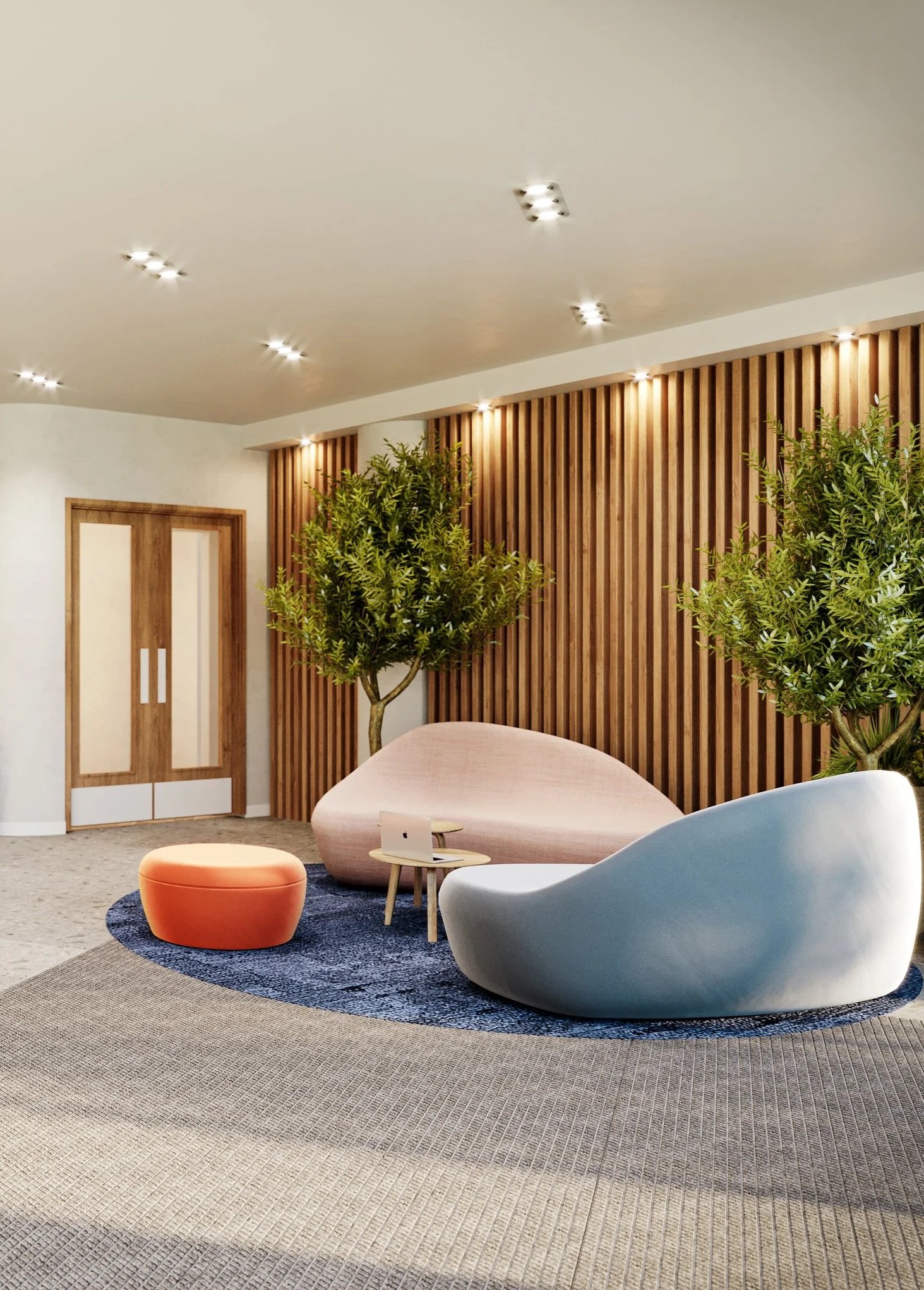
Crux was appointed to design a state-of-the-art laboratory facility for Firmenich, bringing together research, testing, and client facing environments within a single, high performance setting. The ambition was to create a world class laboratory environment that supported scientific excellence while providing a refined experience for visiting clients and collaborators.
As the project progressed, it became clear that the selected building presented significant constraints that fundamentally impacted feasibility. Crux’s role therefore evolved to include rigorous assessment of building suitability alongside design development.
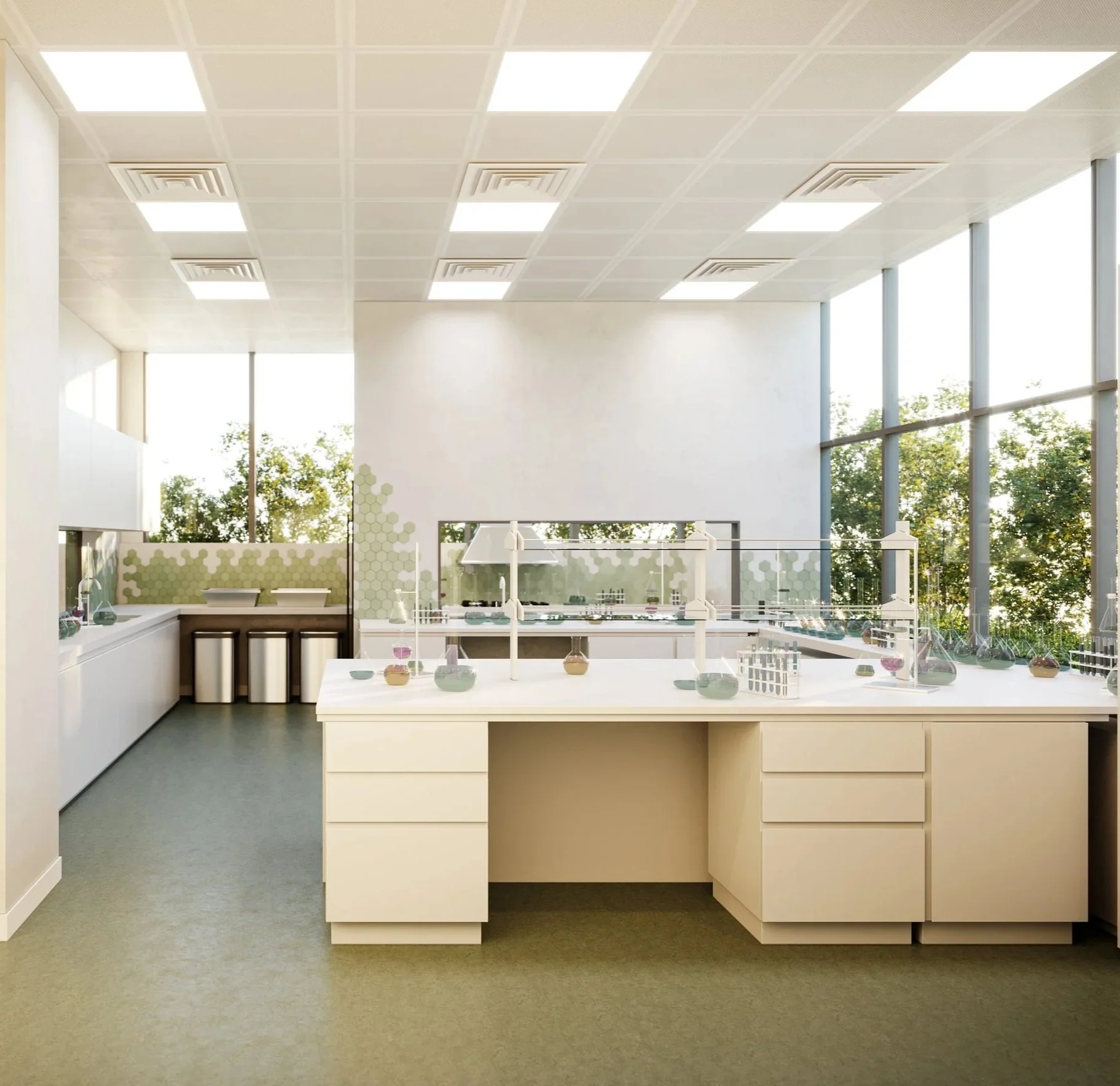
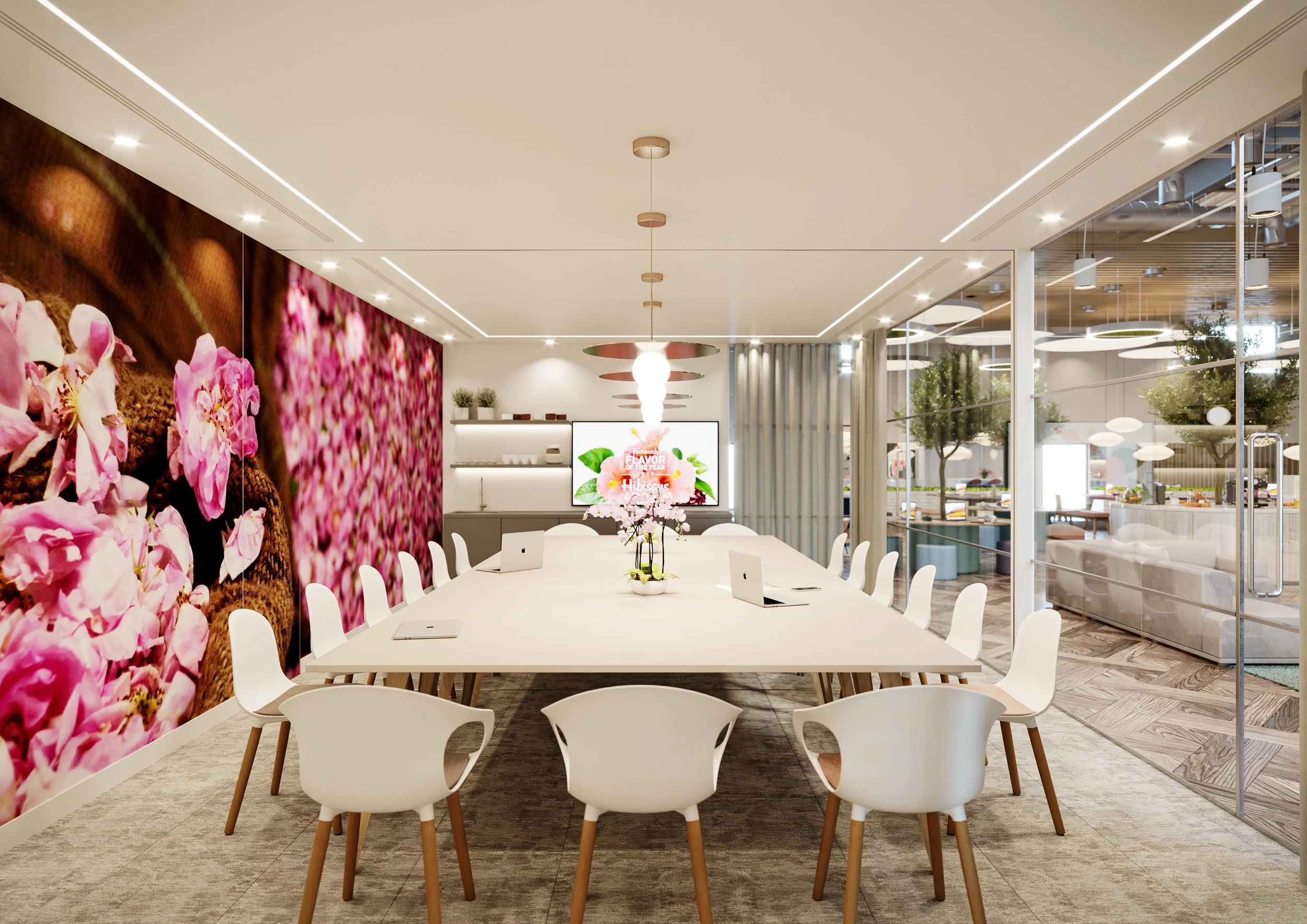
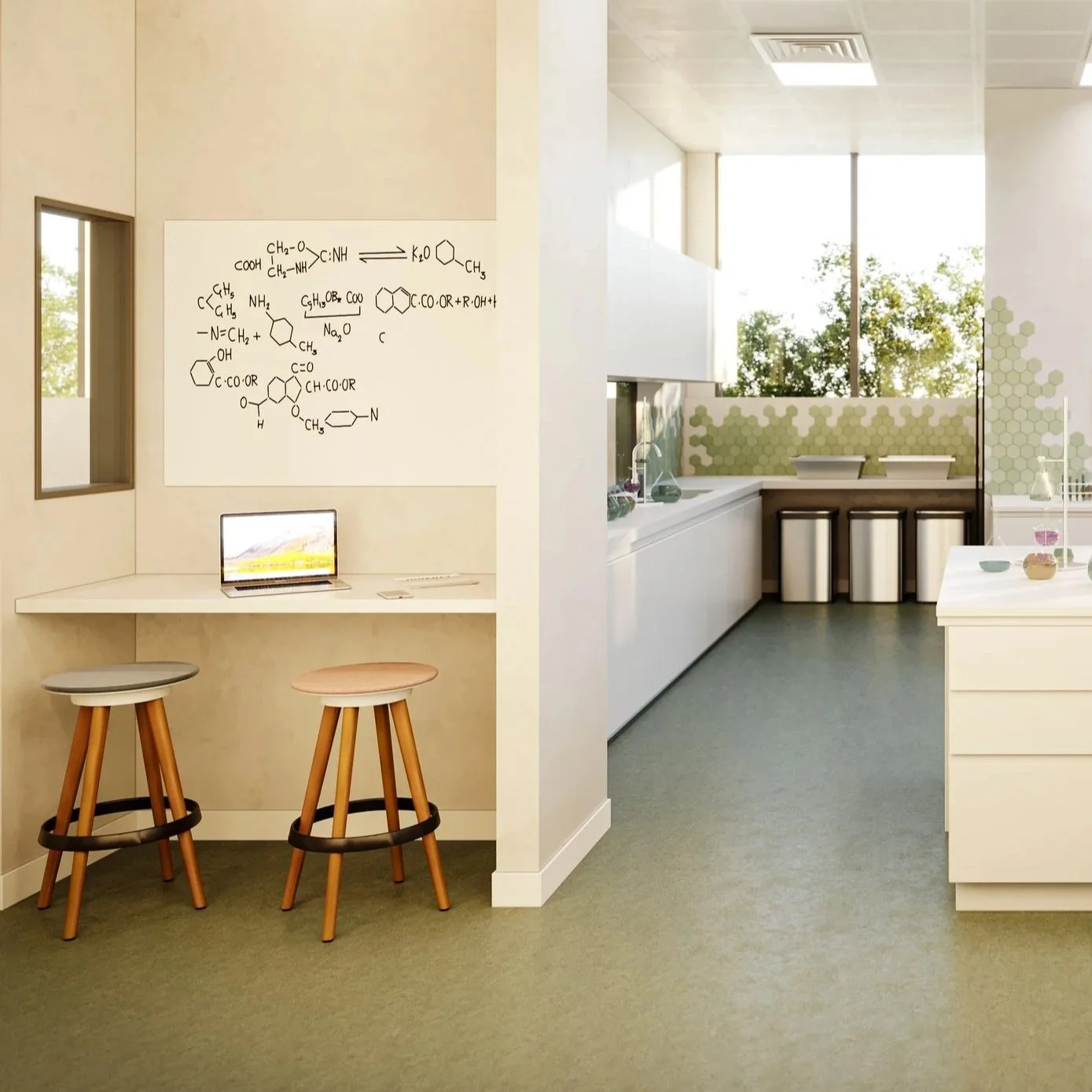
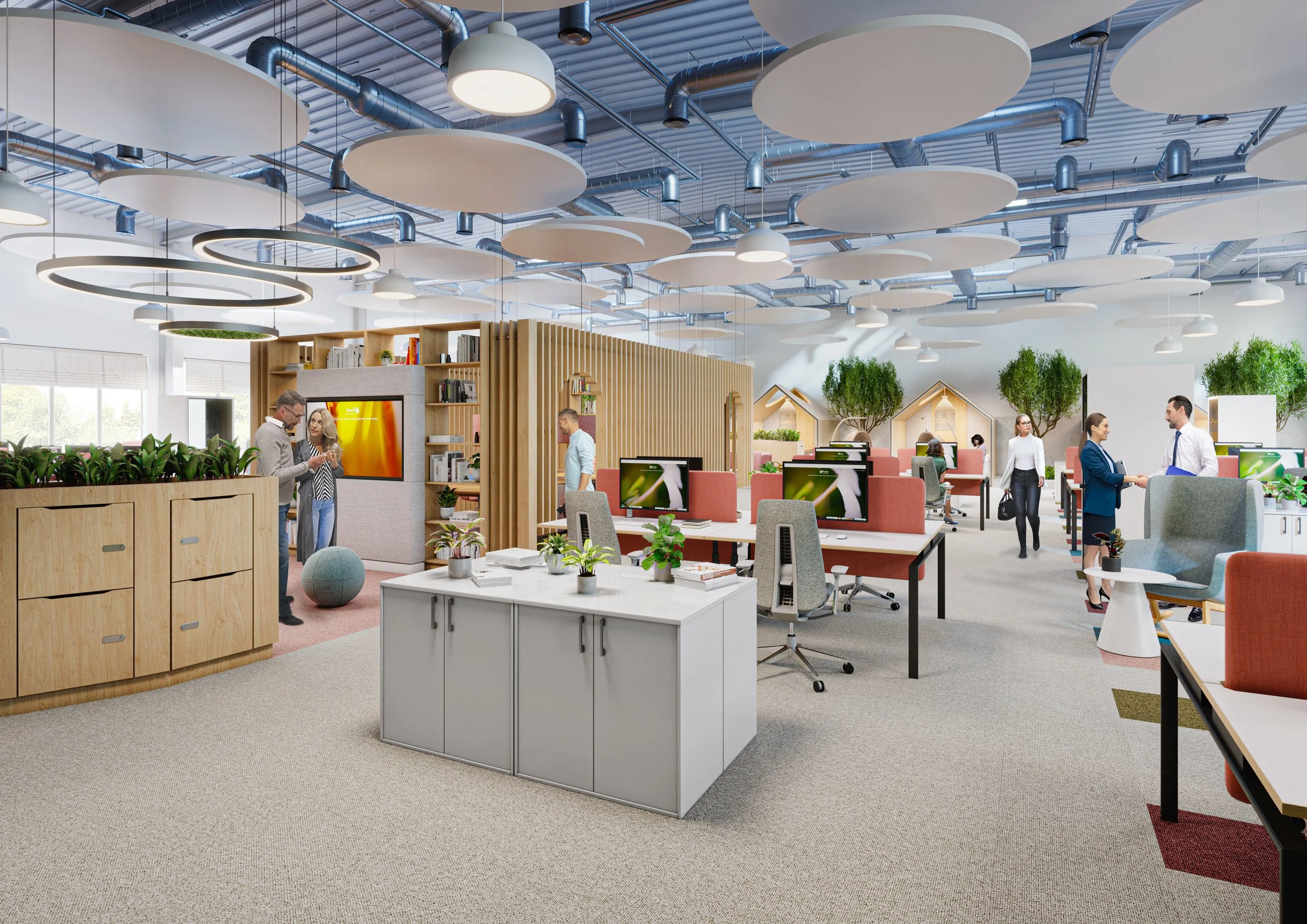
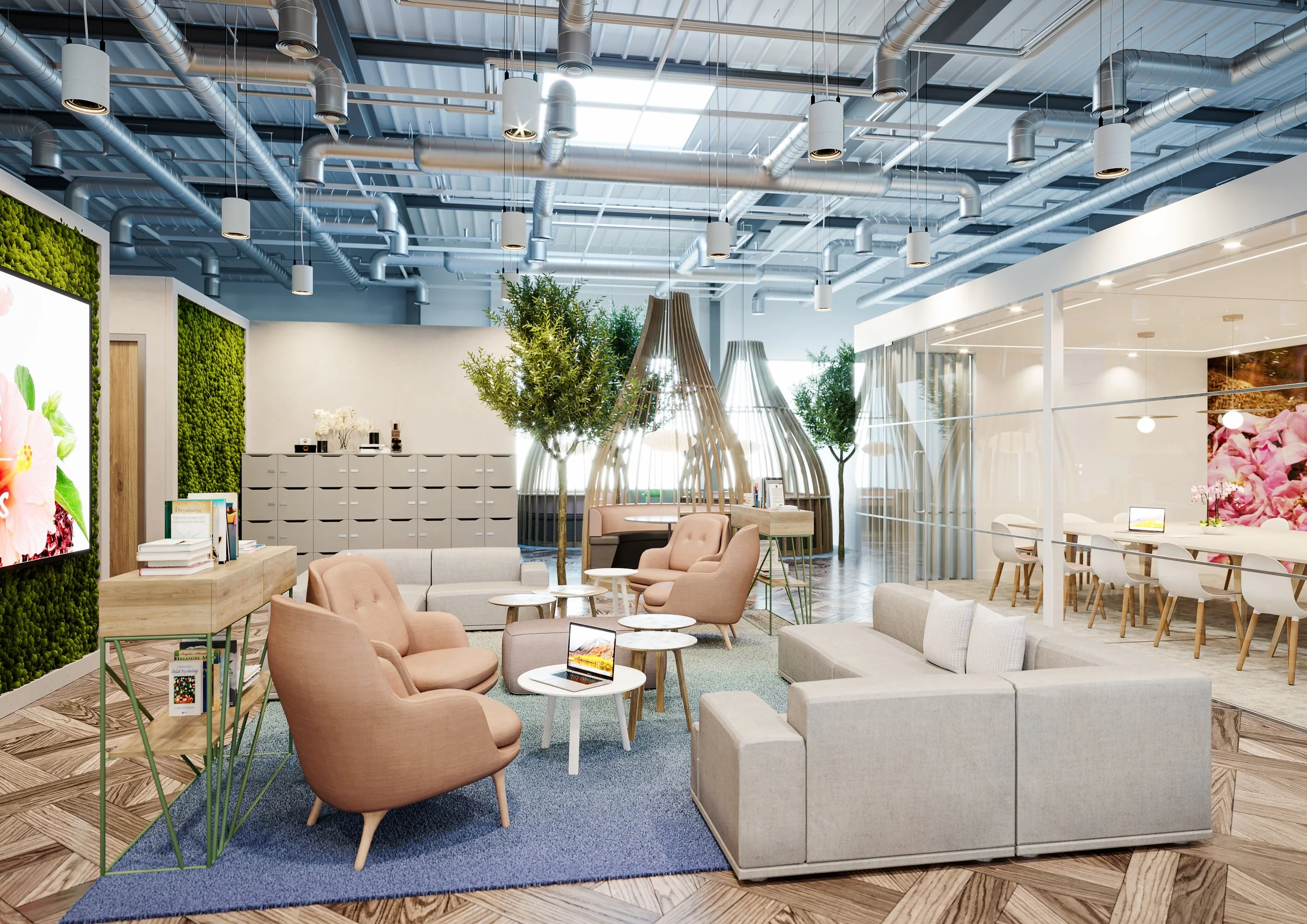
Firmenich’s brief was ambitious, combining advanced laboratory functions with client facing spaces that reflected the quality and innovation of the brand. The intent was to deliver an environment capable of supporting demanding scientific work while hosting sampling, review, and presentation activity.
However, the building selected for the project had not originally been designed for this level of technical intensity. Structural capacity, servicing allowances, and environmental performance quickly emerged as critical factors that could not be resolved through design alone.
Crux approached the project through a combination of design development and feasibility led analysis. The team travelled to France and Switzerland to observe scientists at work, interview users, and study existing laboratory environments, ensuring the proposed facility reflected real workflows rather than assumptions.
“Not all our best work gets built, but it always builds insight.”
— Heather Saunders, Founder | Principle
Key Features
Feasibility led assessment of an existing warehouse to determine fitness for purpose
Integration of commercial, research, and client facing requirements within one design framework
Early identification of structural and servicing constraints
Alignment of technical performance with spatial and experiential intent
Demonstrates the value of early design involvement in informing building choice and shaping successful outcomes
Clear decision making that avoided downstream cost, delay, and risk
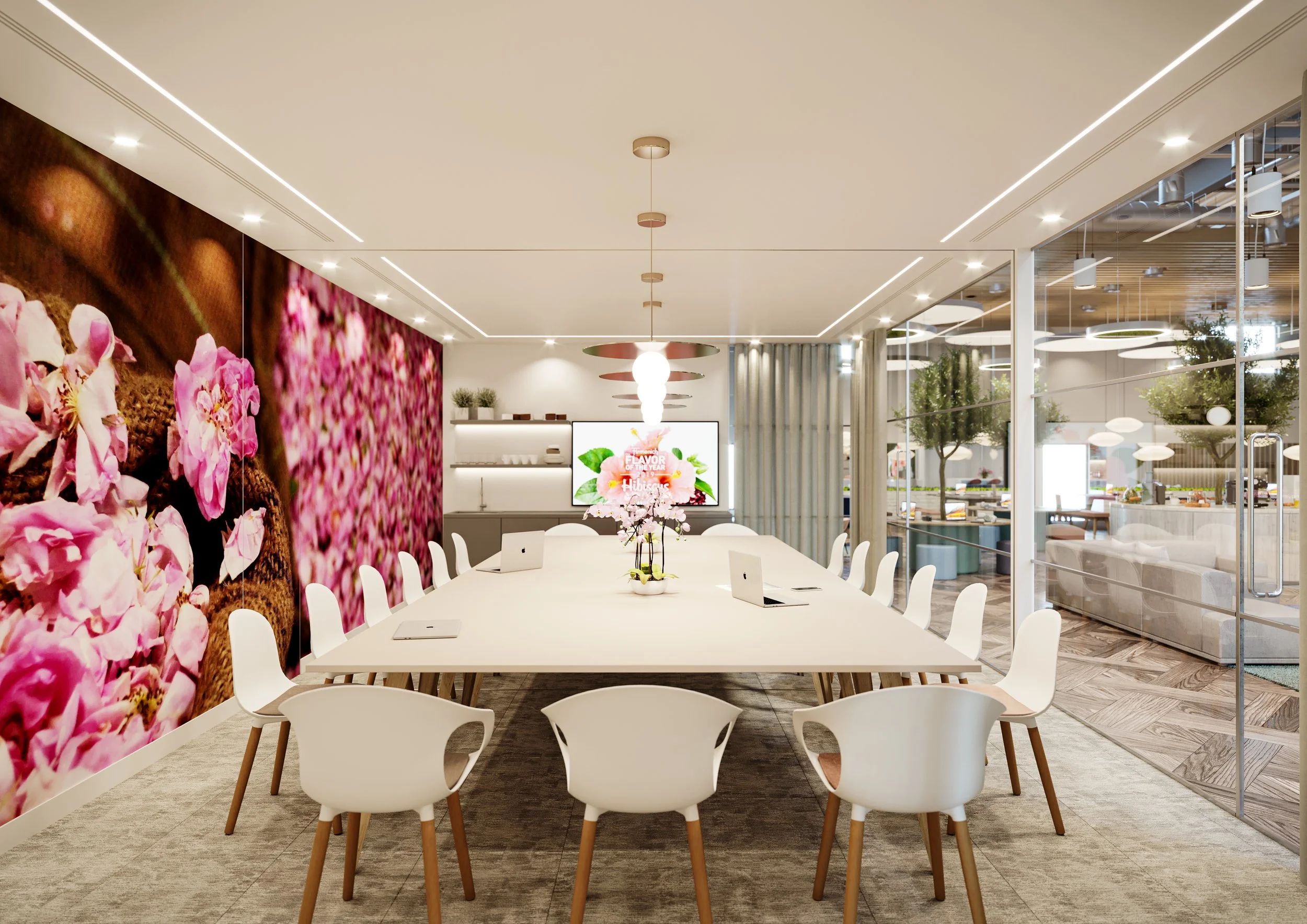
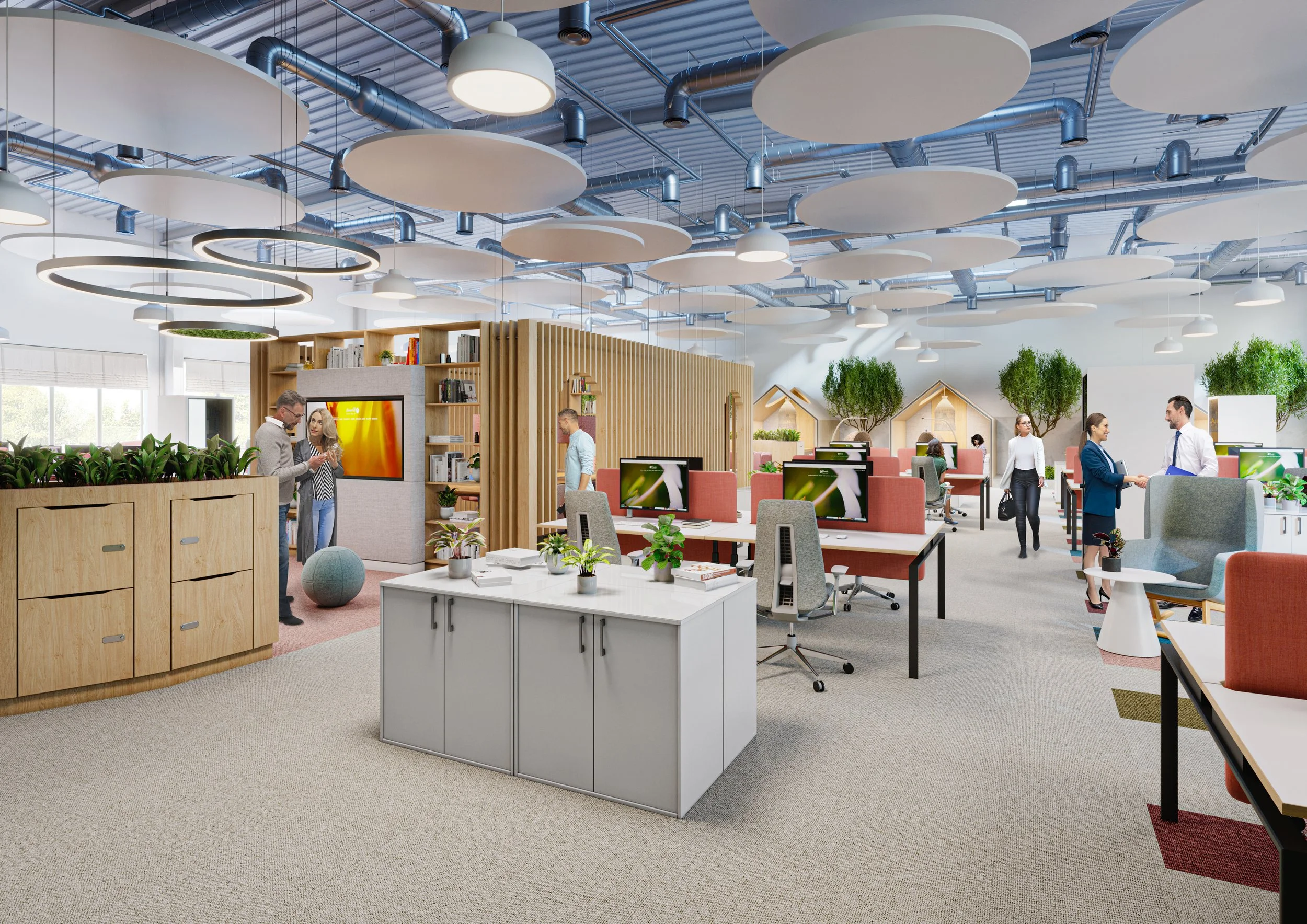
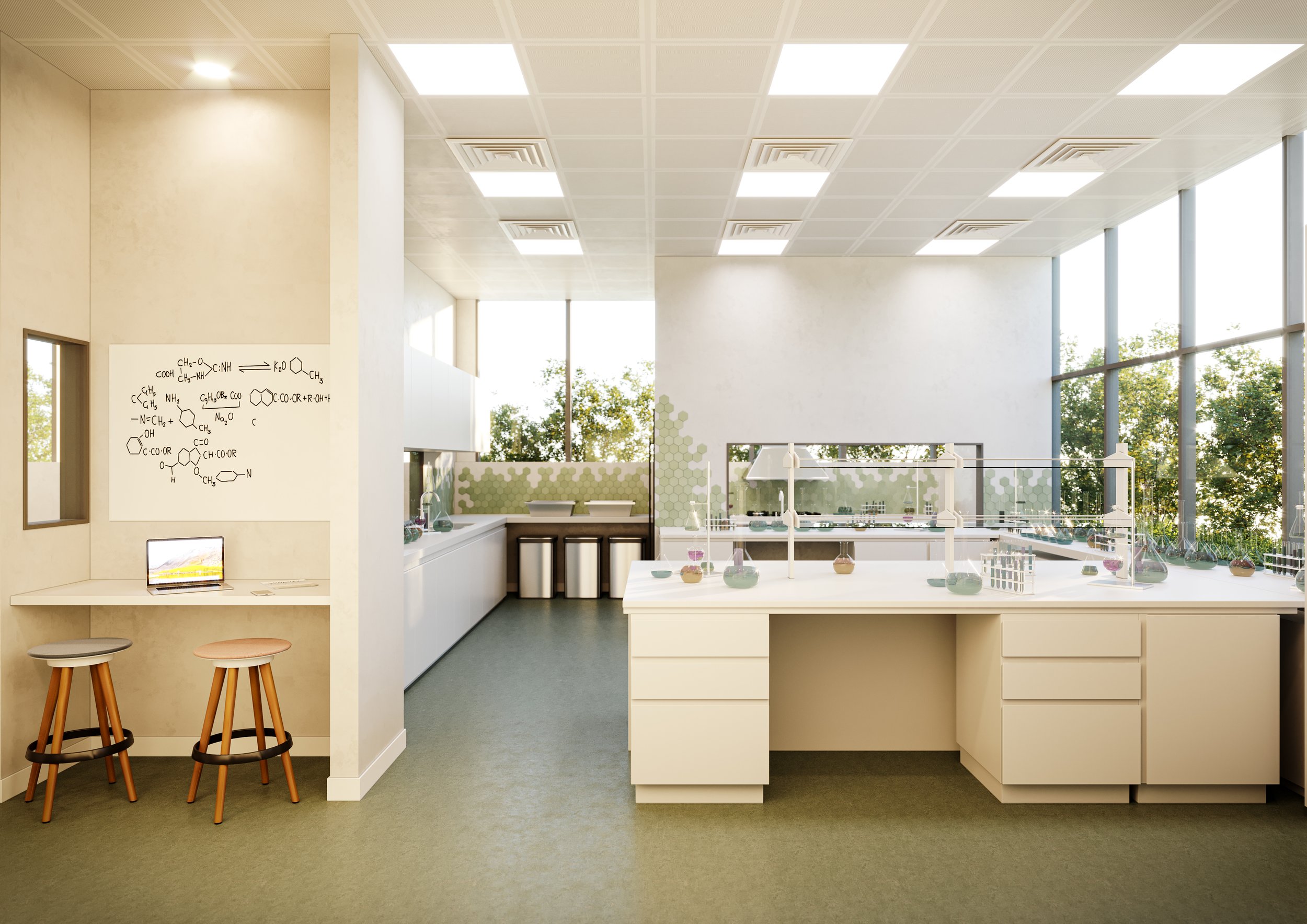
Scenario testing and benchmarking were used to test spatial arrangements, servicing strategies, and operational adjacencies. Care was taken due to the nature of the materials being handled, which required strict control, traceability, and protection against long term material and odour absorption within the built environment.
This lab project was different because the strength and persistence of the materials being handled demanded exceptional control over every surface, movement, and interaction within the space.
As feasibility issues became clearer, Crux worked transparently with the client to explain risks, implications, and options, ensuring decisions were informed and grounded in evidence.
“Designing a lab for the world's finest scents.”
— Former Customer
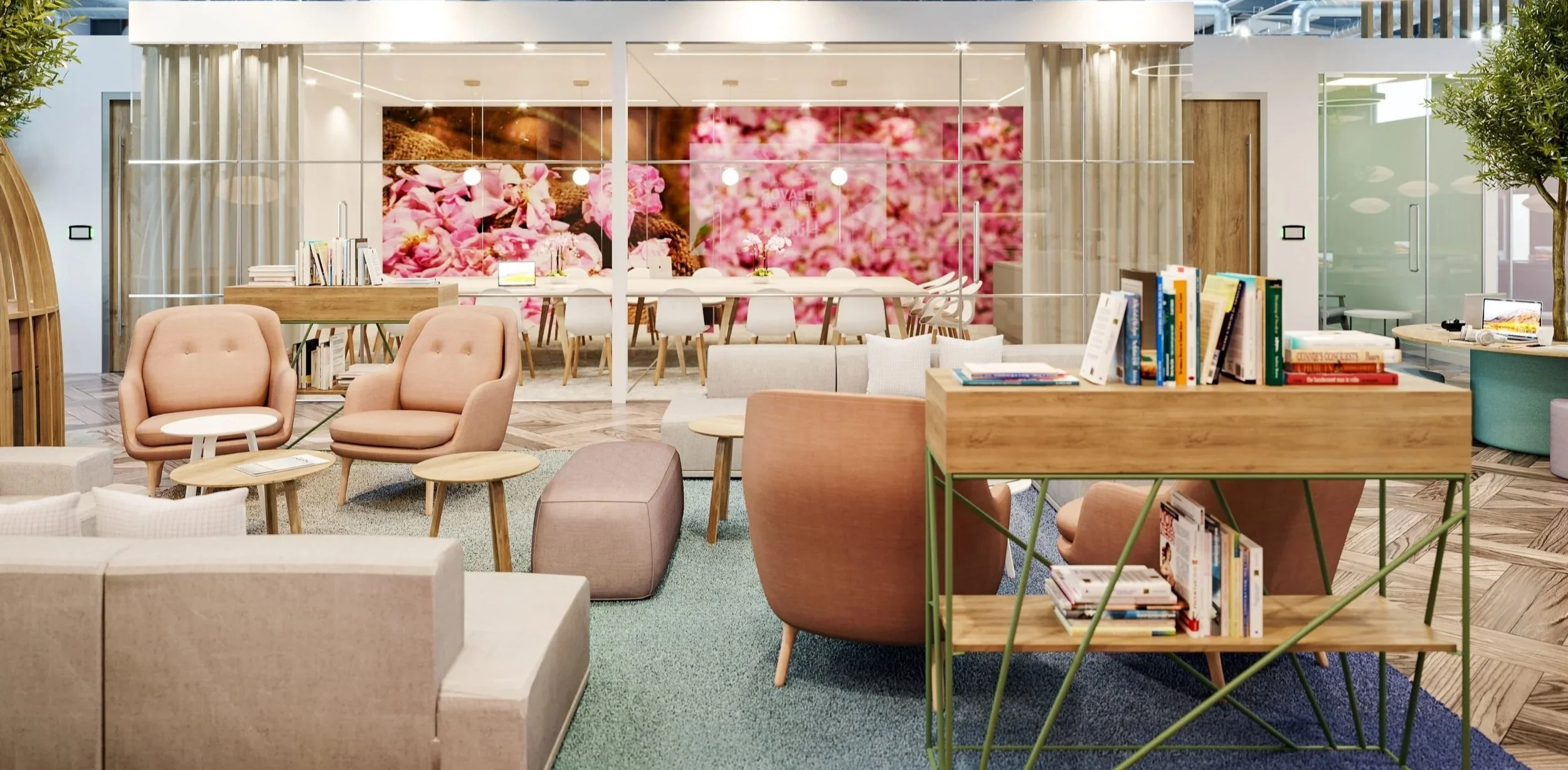
Privacy and access were treated as strategic tools. A controlled front staircase established a clear threshold between public and private areas, while access control ensured separation between the accounting practice, the members lounge, and the leased offices above. Visibility was carefully balanced with restriction, reinforcing value while maintaining discretion.
Crux also established a clear hierarchy of investment. The accounting practice was given a complementary but distinct identity so it felt anchored and permanent. The members lounge was designed to feel special and generous, offering choice and comfort. Shared areas were elevated to raise overall perception of quality, while leased offices adopted a more budget conscious but sophisticated approach to support efficient leasing and long term durability.
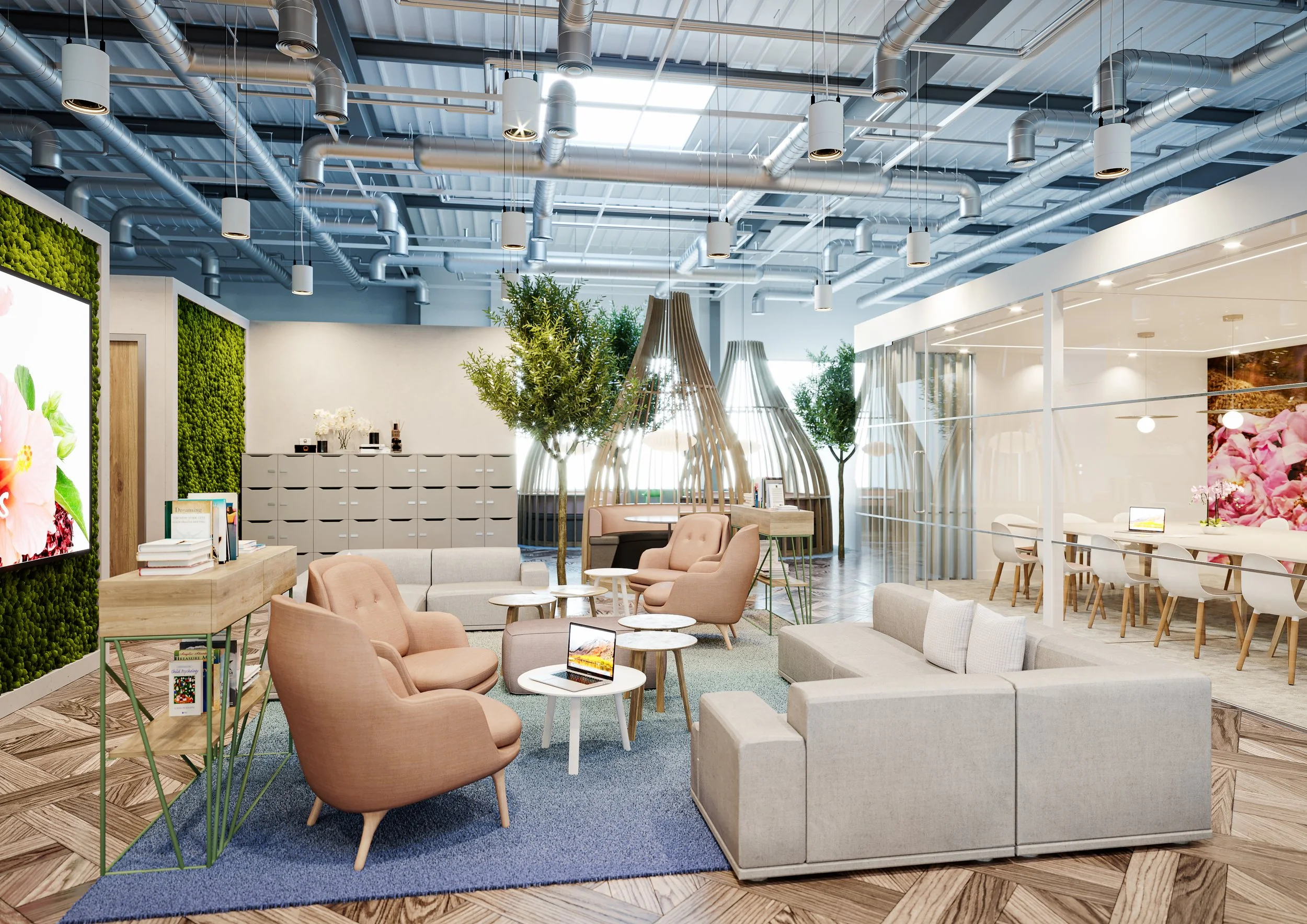
This project demonstrates Crux’s ability to combine design ambition with technical judgement. By integrating feasibility assessment into the design process, we help clients understand not just what is possible, but what is viable.
The earlier Crux is involved, the greater the positive impact we can have on building selection, risk management, and long-term outcomes. Early engagement allows state of the art ambitions to be supported by the right physical foundations.
At Crux, success is measured not only by what is built, but by the quality of decisions made along the way.