

The LinkTransforming a historic Brixton landmark into a hospitality-led workplace designed to attract tenants, build community, and maximise asset value.
|
Category
Interior Design, Architecture, Workplace Design
London
Type
Workplace, Flexible Workplace & Heritage Workplace
Location
Unit Management appointed Crux Design Studio to reimagine a historic building in Brixton as a contemporary flexible workplace and community destination. Located within a conservation area and originally constructed as Brixton Synagogue in 1913, the building required a careful balance between heritage character and modern workplace expectations. Through workplace consultancy, feasibility studies, stakeholder engagement, concept design and interior architecture, Crux developed a strategy that transformed the building into a hospitality-led workplace environment designed to attract new occupiers, retain existing members and support long-term commercial growth.
Project Summary
As the flexible workspace market continues to evolve, operators are under increasing pressure to differentiate their offering beyond desks and meeting rooms. Occupiers are seeking environments that provide community, experience and flexibility, while landlords must maximise the value of existing assets and attract a broader range of users.
Unit Management recognised an opportunity to reposition a unique historic building in Brixton as a destination workplace. The challenge was not simply to refurbish the interior, but to create an environment capable of attracting new clients, retaining existing members and supporting a diverse mix of employees, visitors, clients and community users.
The building’s architectural heritage presented both an opportunity and a challenge. While its character provided a strong point of differentiation, any intervention needed to respect the building’s identity while introducing the functionality, flexibility and hospitality experiences expected in modern work environments.
The project also required a clear commercial strategy, ensuring that every design decision contributed to the building’s long-term appeal, operational performance and market competitiveness.
Client Challenge
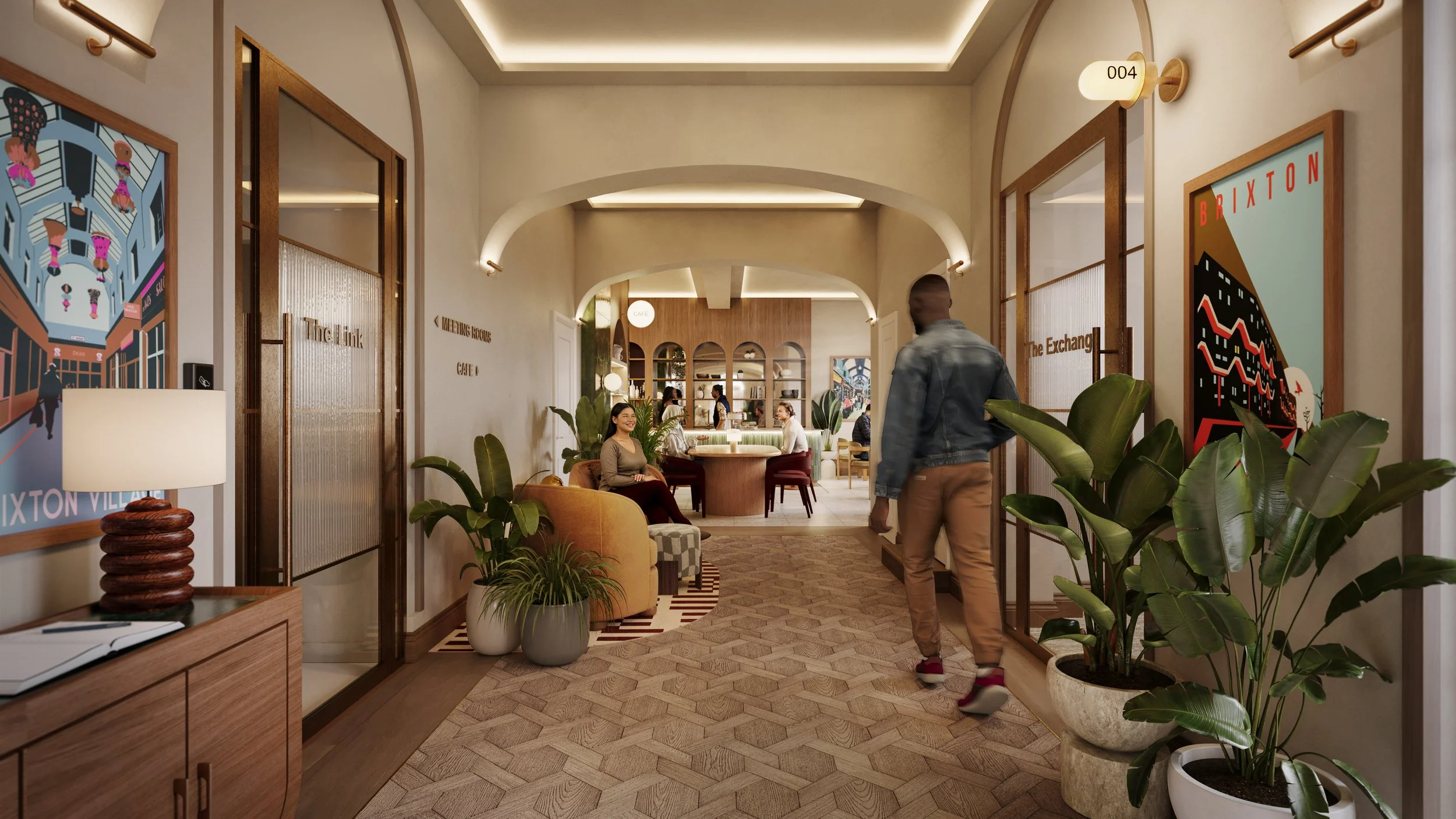
Crux began with a detailed feasibility study and workplace consultancy process to understand the building’s potential, user requirements and commercial objectives.
Working closely with stakeholders, we explored how the building could support a variety of workplace behaviours while creating a distinctive identity within London’s competitive flexible workspace market.
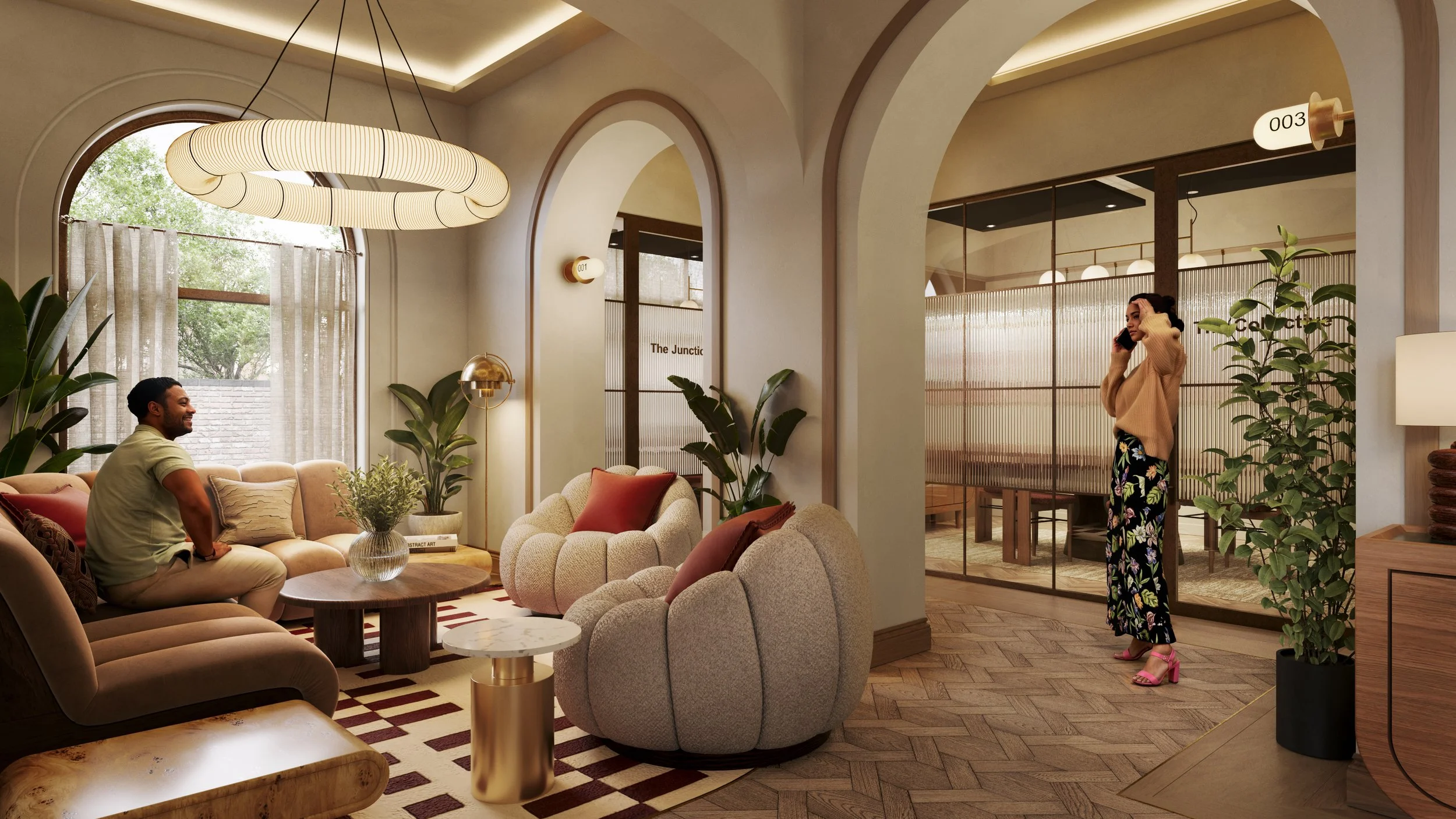
Rather than treating circulation as a functional necessity, we developed a strategic concept centred around connection, interaction and community. The idea of “The Link” became both a spatial and operational framework, guiding how users move through the building, interact with one another and experience the environment.
Through concept development and interior architecture, we carefully analysed the building’s existing architectural language, ensuring new interventions complemented rather than competed with its historic character. Existing arches, proportions and spatial rhythms informed the design strategy, creating continuity between heritage and contemporary workplace requirements.
Throughout RIBA Stages 1-4, Crux coordinated the design process, balancing commercial objectives, user experience, operational requirements and technical delivery considerations.
Our Approach
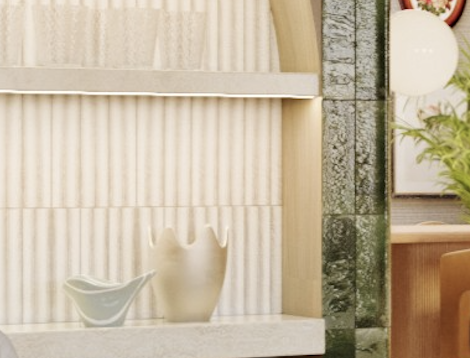
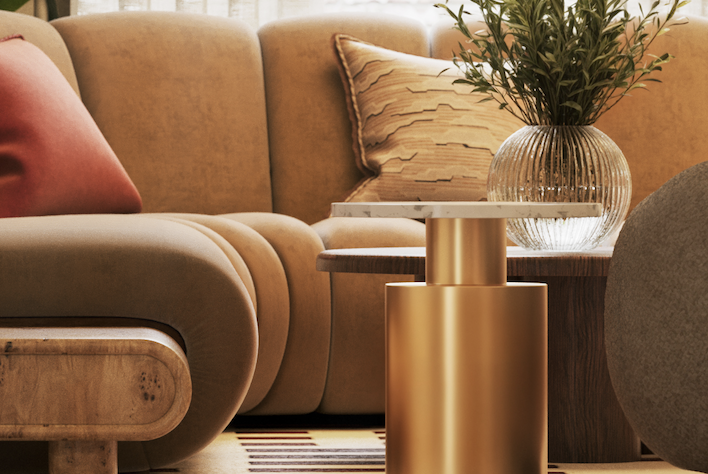
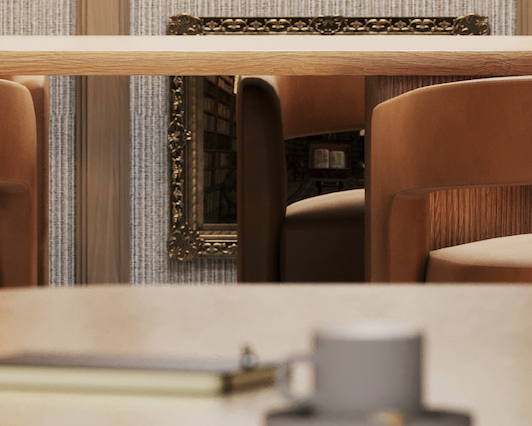
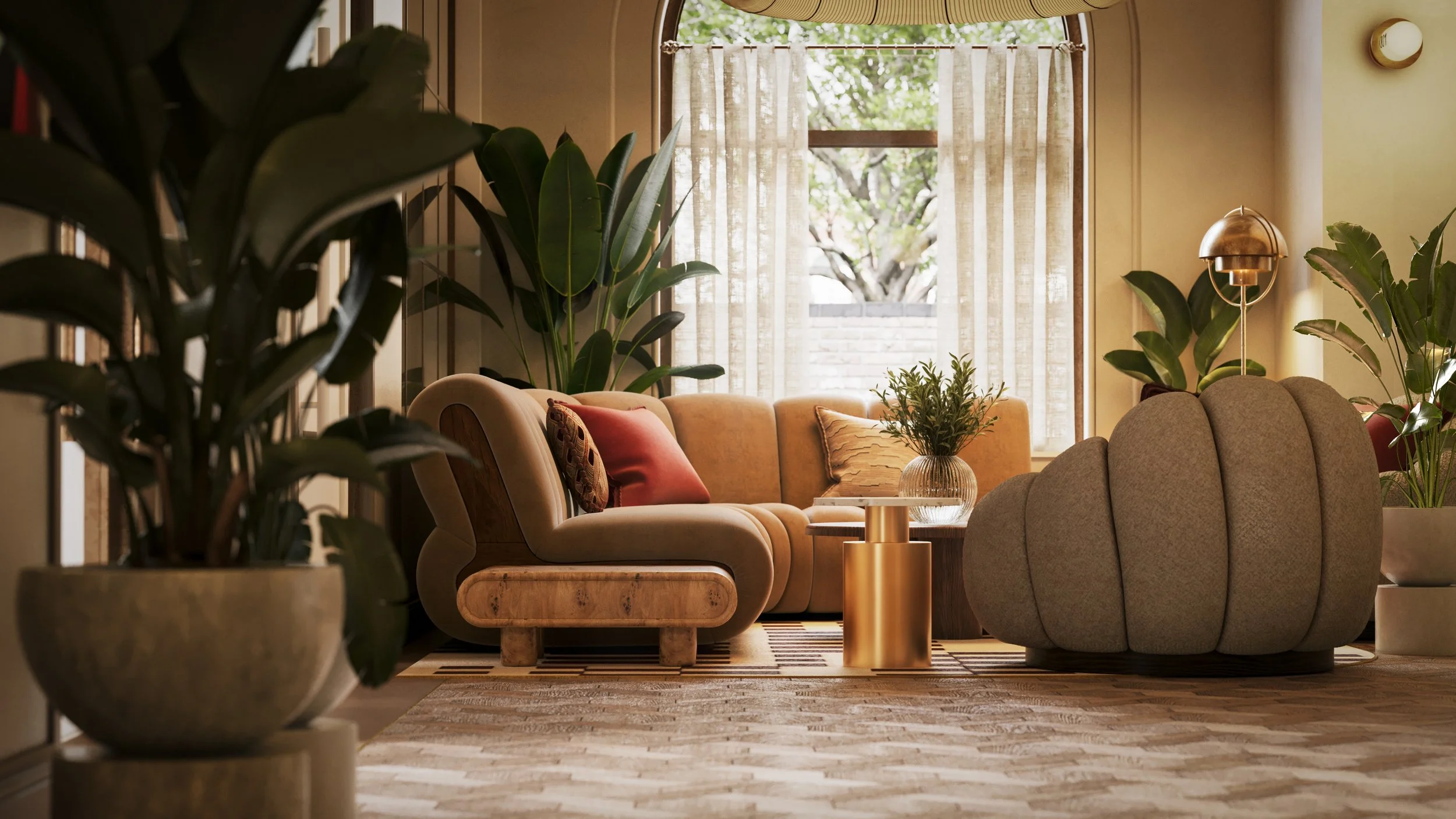
The resulting concept transforms the building into a hospitality-led flexible workspace that prioritises interaction, community and user experience.
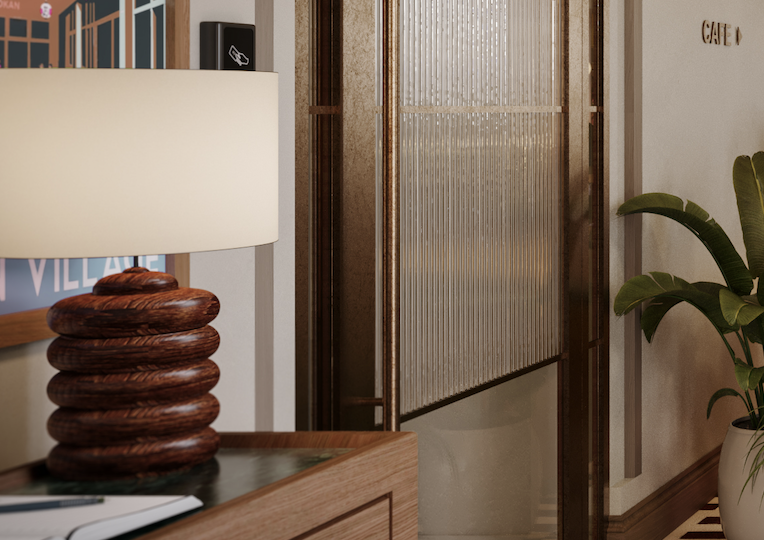
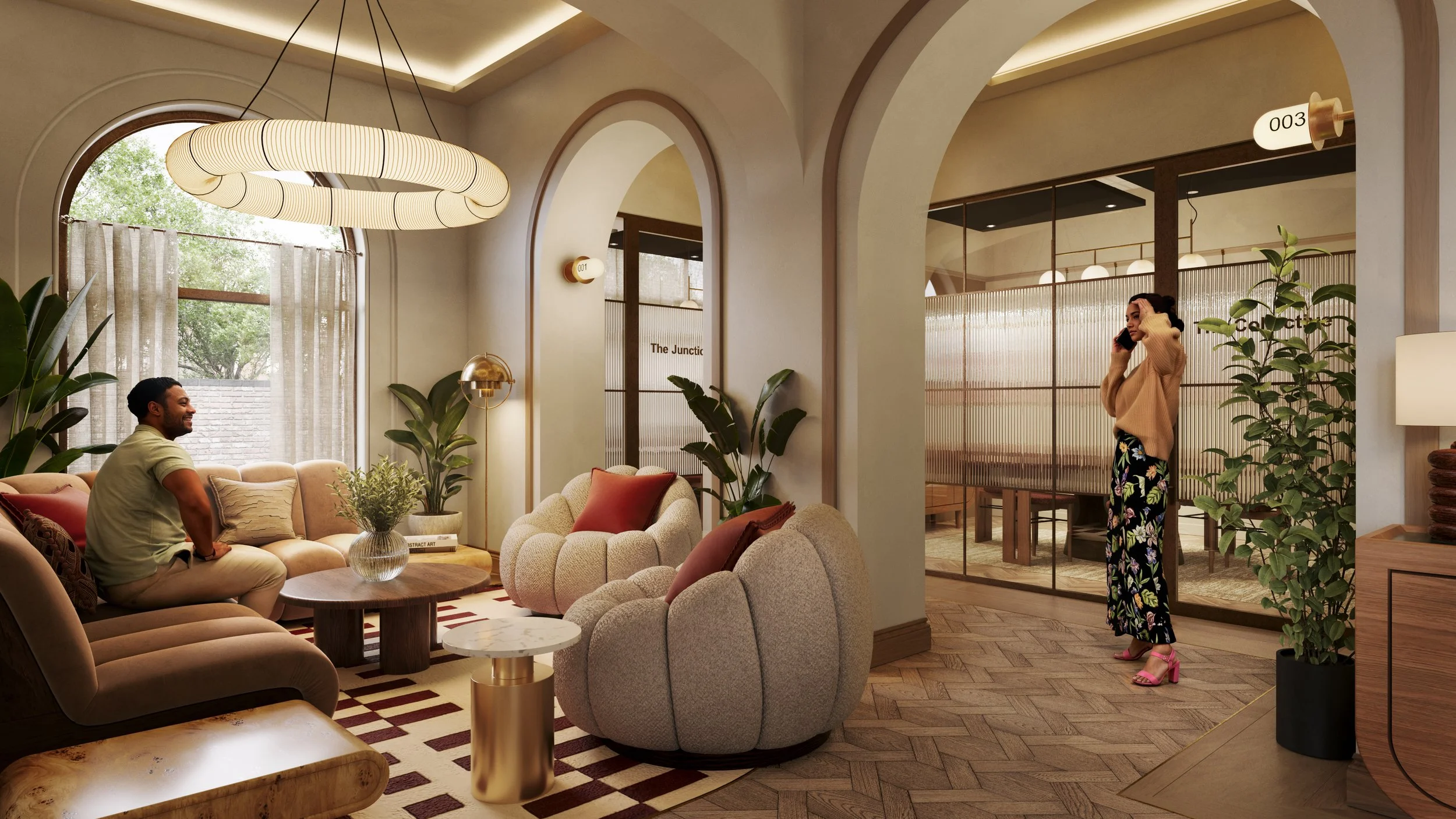
A central circulation spine acts as the organisational heart of the building, connecting a series of work, social and collaborative spaces. Movement through the building becomes an experience in itself, creating opportunities for informal interaction, chance encounters and community building.
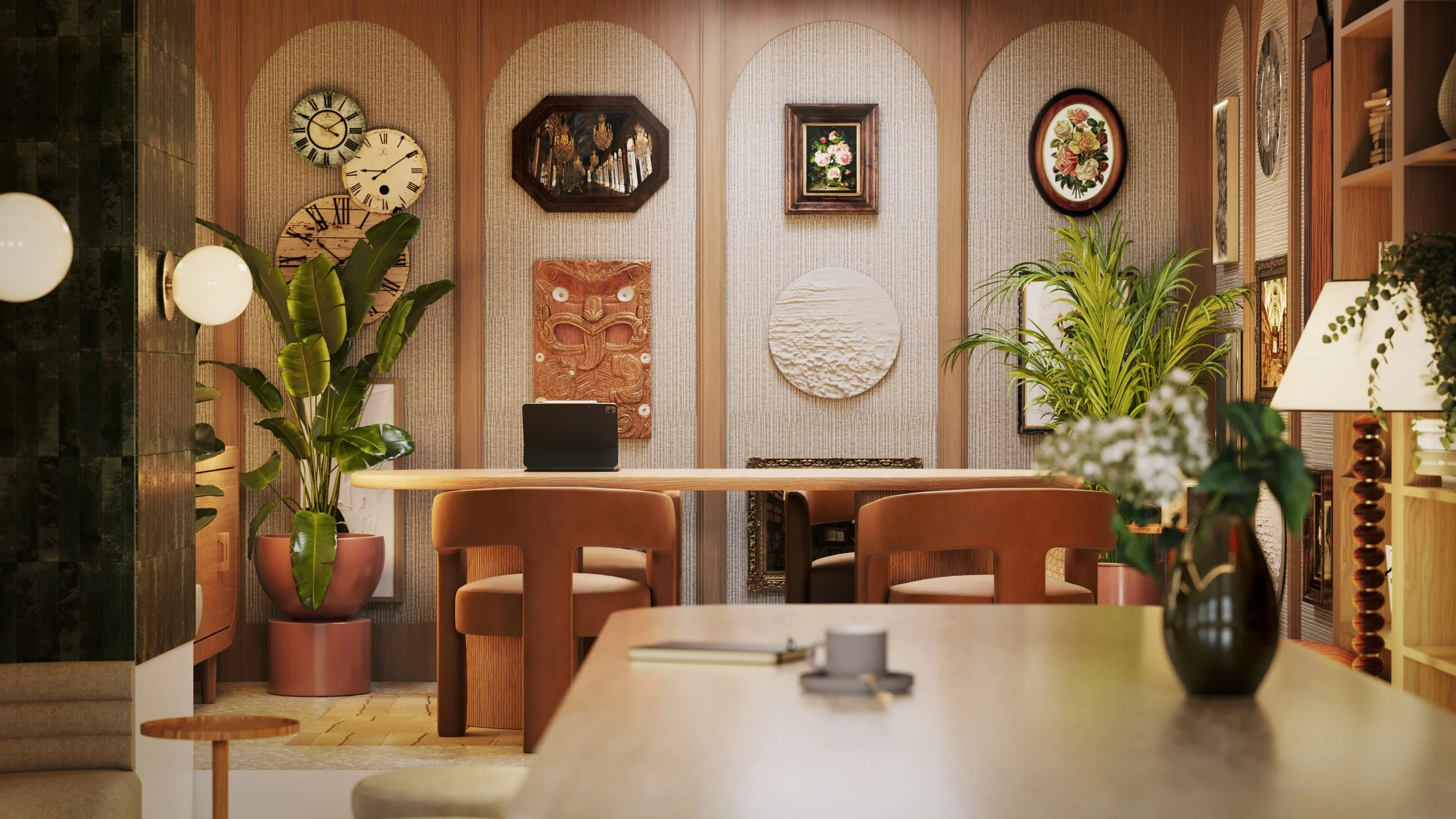
The design celebrates the building’s original architectural features, using repeated arch forms, layered materials and carefully considered lighting to reinforce a sense of continuity throughout the workspace.
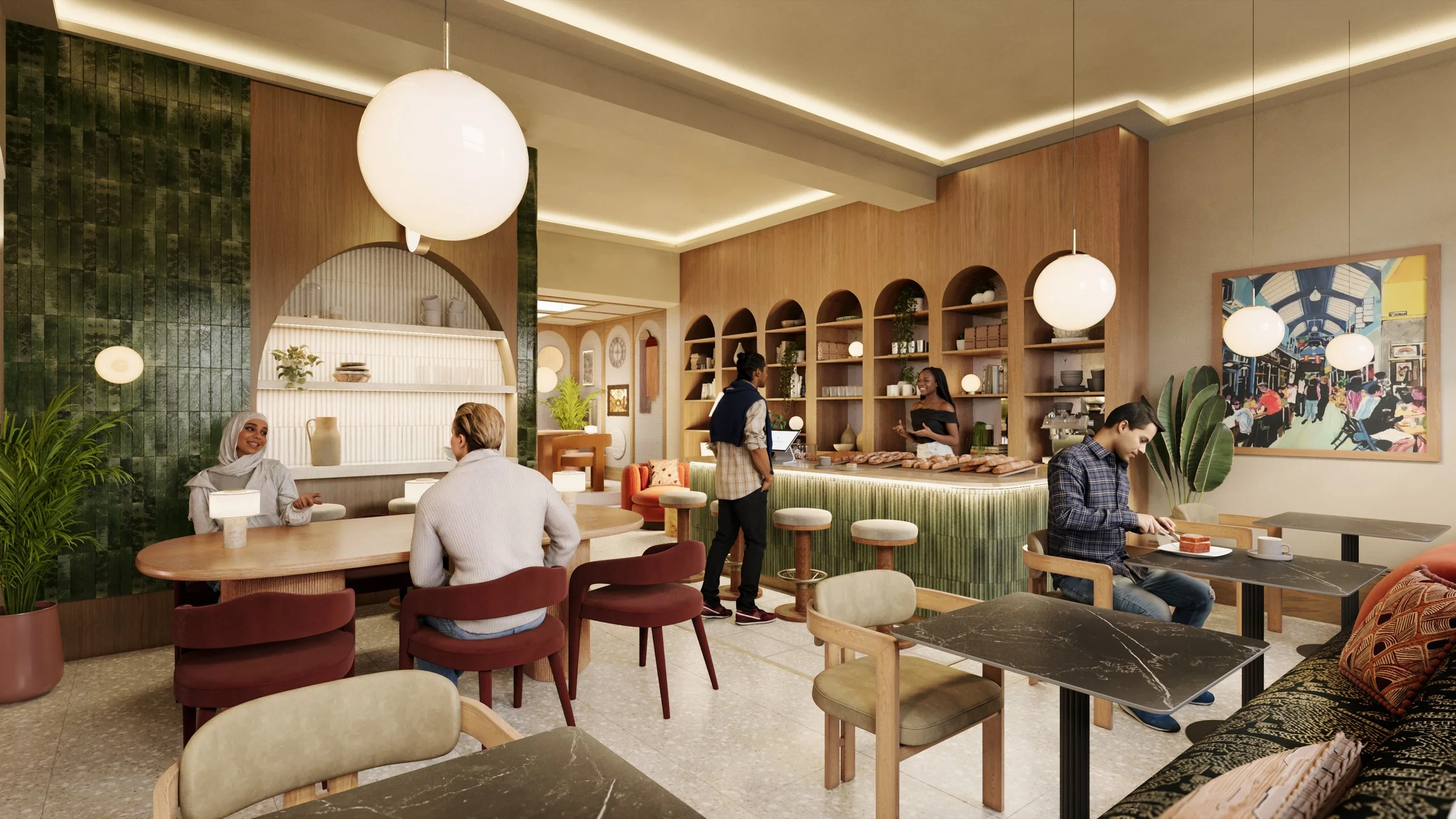
A key feature of the proposal is the creation of a central social hub that blends workplace and hospitality functions. Positioned as the social heart of the building, this space supports informal meetings, networking, events, focused work and community interaction throughout the day.
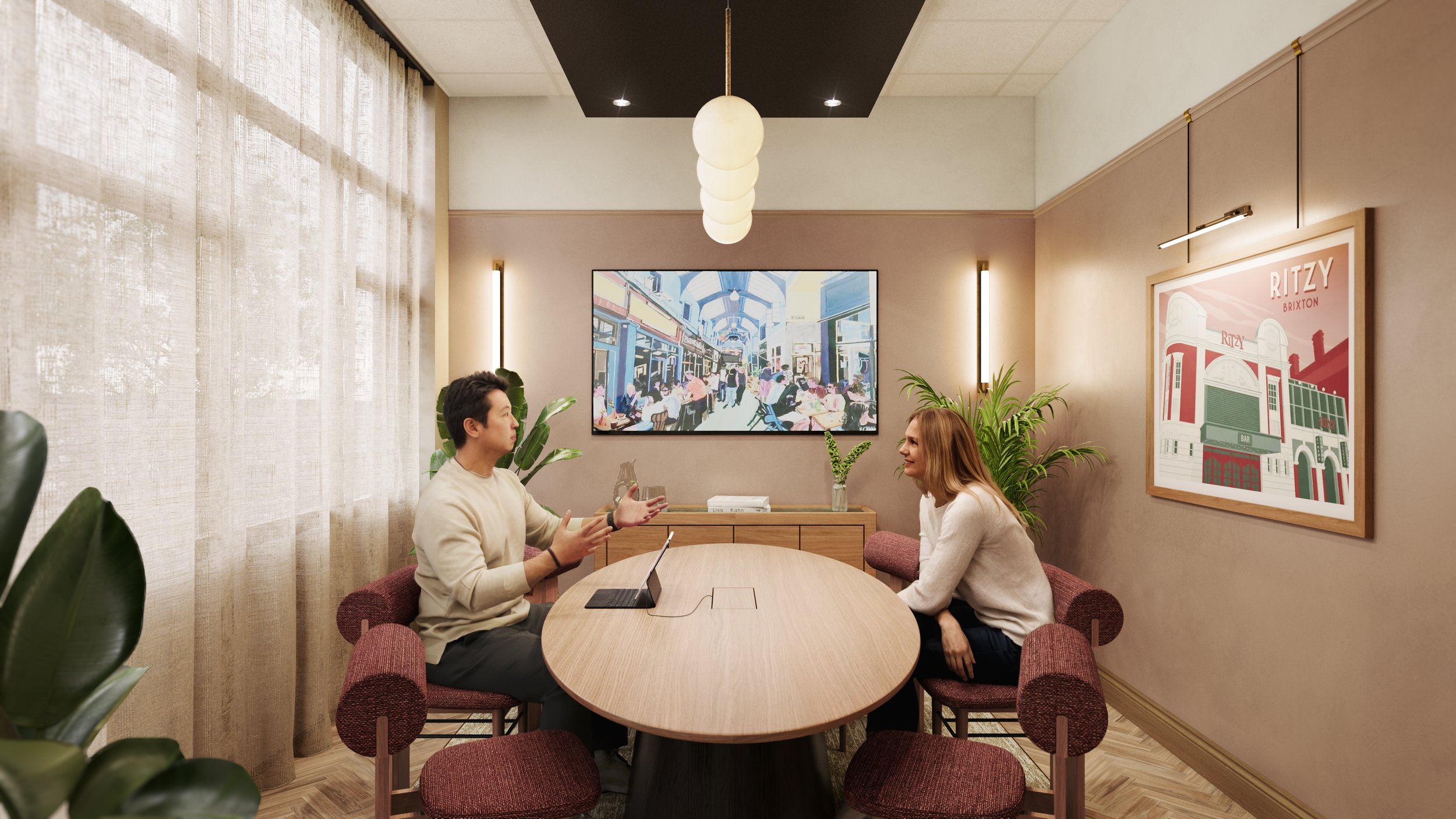
Furniture and spatial planning strategies were developed to support a wide range of workplace behaviours, providing flexibility for individuals, teams, visitors and members while maintaining a cohesive user experience.
The overall environment is designed to maximise occupancy appeal while preserving the unique character that differentiates the building from conventional office and coworking environments.
Solution
Although the project is currently progressing through tender and construction procurement, the design strategy has established a clear framework for long-term commercial and operational success.
Key anticipated outcomes include:
Stronger market differentiation within the flexible workspace sector
Increased appeal to prospective tenants and members
Enhanced retention of existing occupiers
Improved opportunities for collaboration and community building
Greater flexibility to support changing workplace requirements
Increased utilisation of social and shared spaces
Preservation and celebration of the building’s historic character
Future-ready workplace infrastructure capable of supporting growth and evolving business needs
Reduced risk through a structured feasibility, stakeholder engagement and design process
Outcomes

Many landlords, developers and flexible workspace operators are seeking ways to unlock greater value from existing buildings while responding to changing workplace expectations.
This project demonstrates how heritage assets can become highly competitive workplace destinations when workplace strategy, hospitality principles and commercial objectives are aligned from the outset.
Rather than viewing historic buildings as constraints, organisations can leverage their character and identity to create memorable workplace experiences that attract occupiers, foster community and strengthen long-term asset value.
For organisations considering adaptive reuse, flexible workspace development or workplace-led regeneration projects, this project highlights the importance of balancing commercial performance, user experience and architectural heritage.
Why This Project Matters
Workplace Consultancy
Feasibility Study
Stakeholder Engagement
Workplace Strategy
Concept Design
Interior Architecture
Flexible Workplace Design
Hospitality-Led Workplace Design
Heritage Building Adaptation
RIBA Stages 1-4 Design Development
Technical Coordination
Key Services Delivered
Planning a flexible workspace, workplace transformation or adaptive reuse project?
Crux Design Studio helps landlords, developers and occupiers create workplaces that strengthen user experience, attract tenants and maximise long-term asset value.
Speak with our team to discuss how workplace strategy, interior architecture and commercial thinking can unlock the full potential of your building.