

IntellianAdaptive reuse and feasibility design for a new R&D hub
|
Category
Interior Design, Architecture
Location
United Kingdom
Type
Workplace, Laboratories & Engineering, Workplace Strategy
Crux was appointed to support Intellian with the development of a hybrid workplace and technical laboratory environment for its UK headquarters. The project was located within a deep plan building with limited access to natural light, presenting both architectural and wellbeing challenges.
Rather than treating these constraints as purely technical, Crux approached the project as an opportunity to apply research led workplace strategy to improve performance, comfort, and everyday experience within a challenging setting.
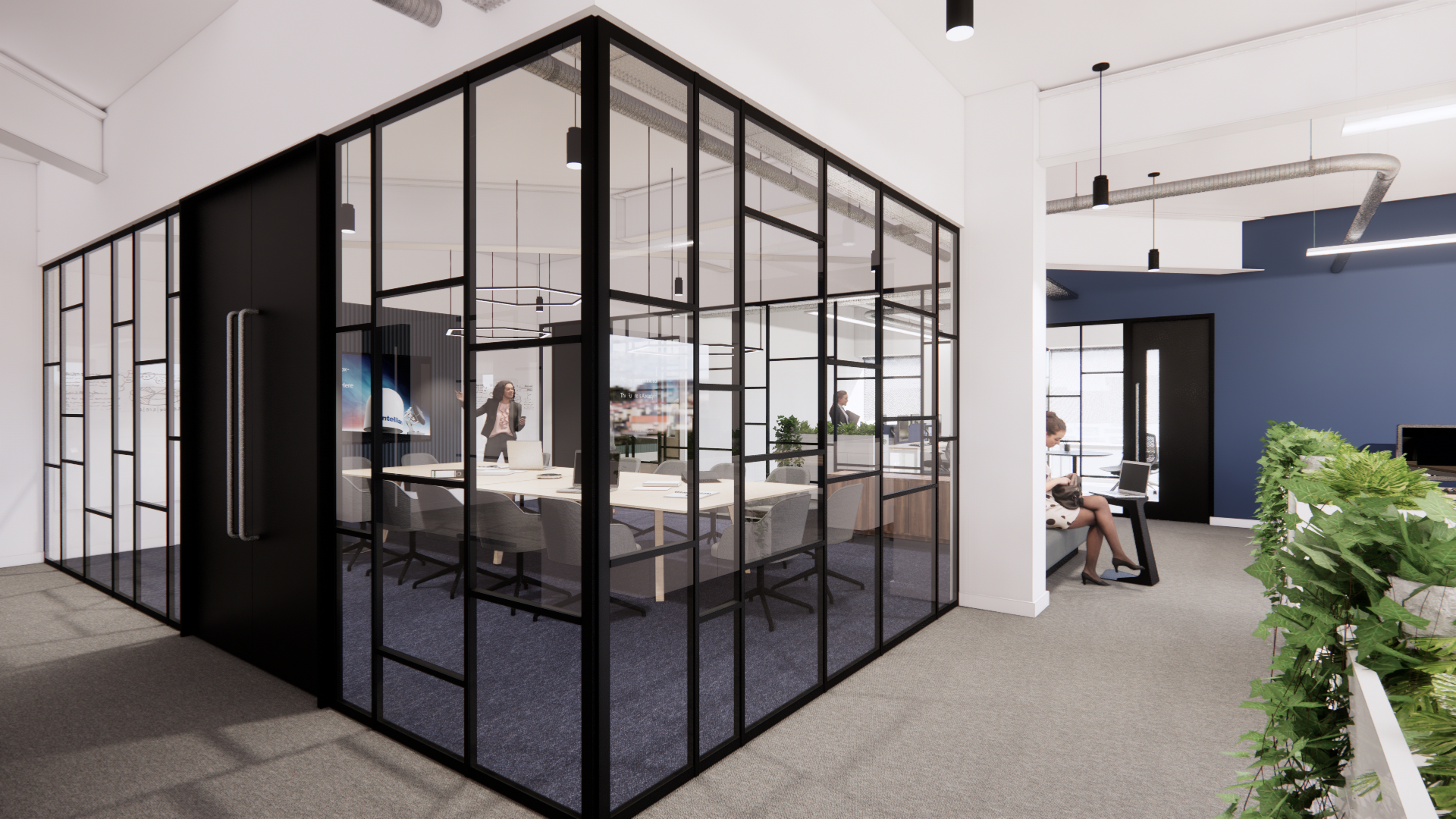
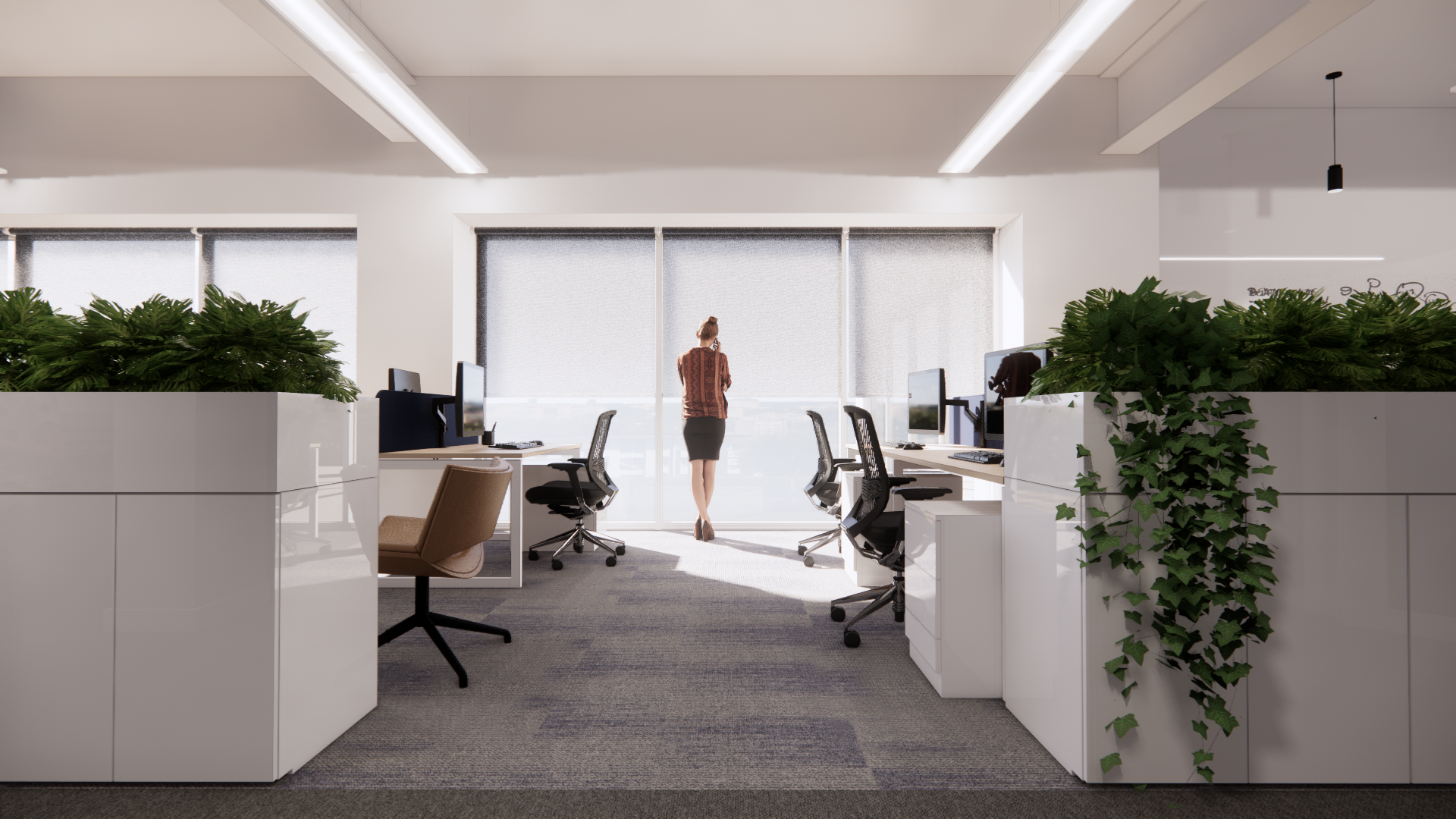
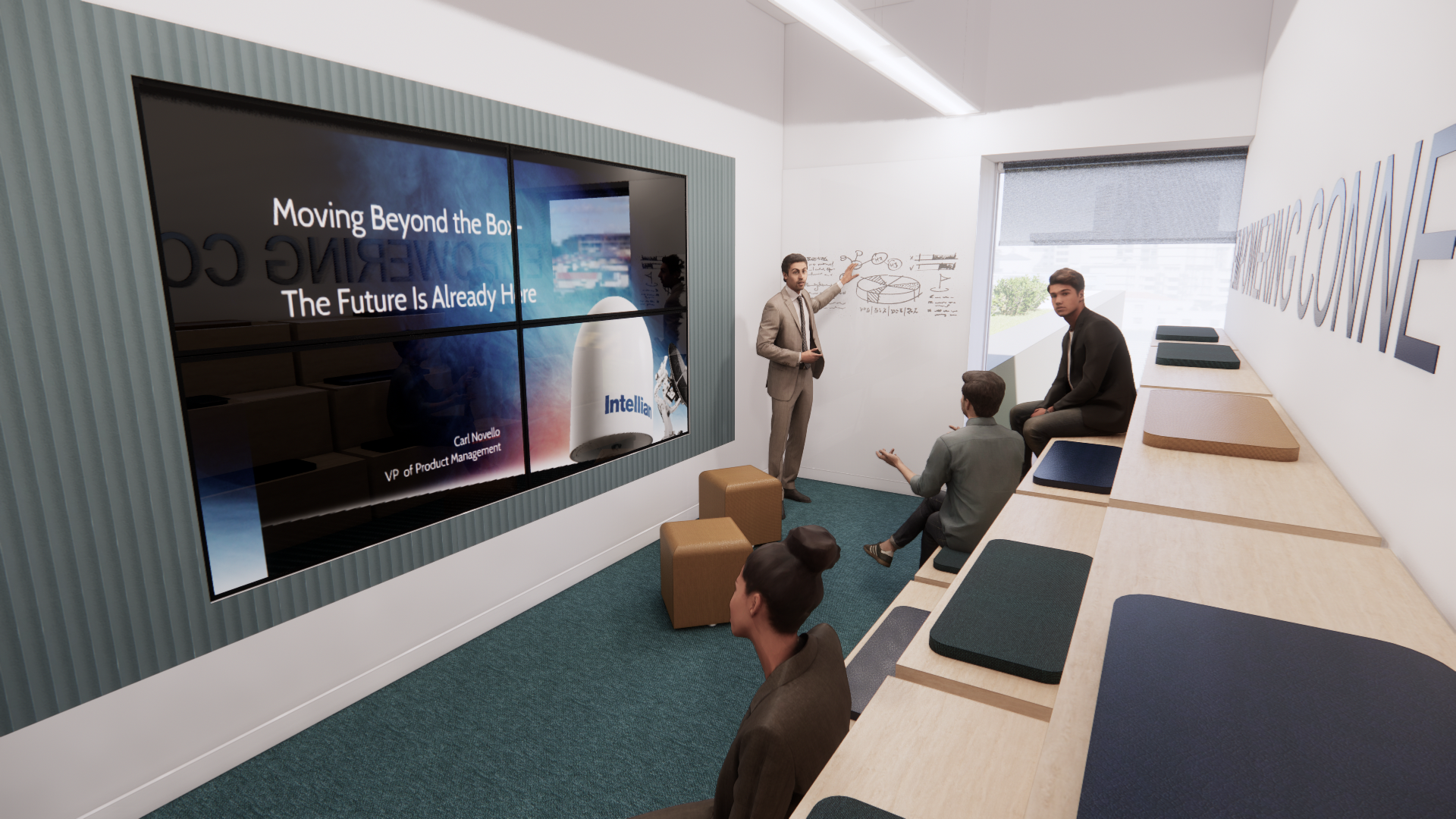
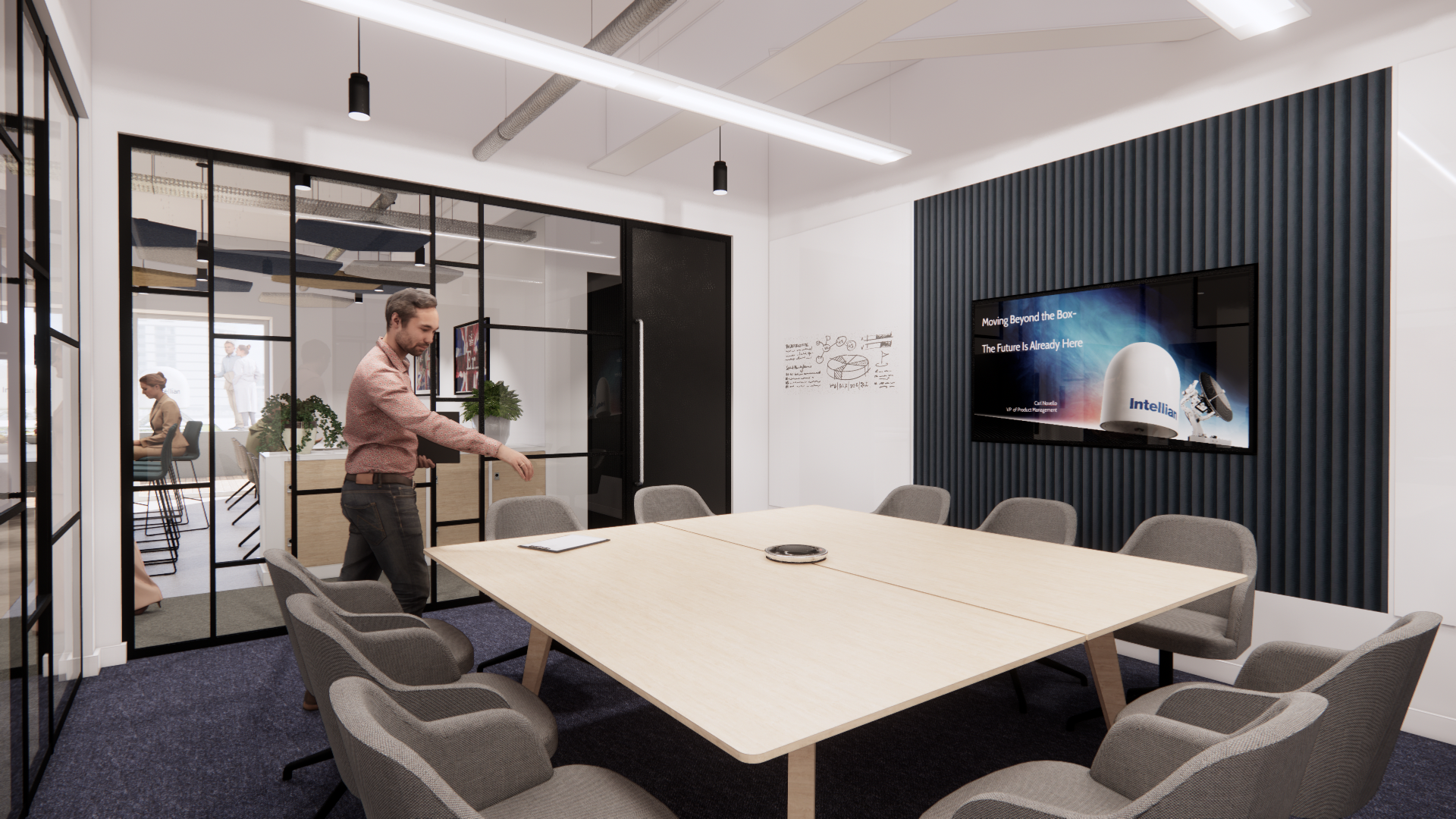
Intellian required a workplace that could support focused engineering work, specialist satellite testing, and everyday office activity within a single environment. The selected building offered limited daylight penetration, which had the potential to negatively impact comfort, alertness, and productivity if not addressed strategically.
Crux drew on research developed in collaboration with academic specialists to inform how light, perception, and spatial sequencing could be used to counteract these limitations. The objective was to create an environment that felt intuitive, energising, and functional despite the constraints of the base building.
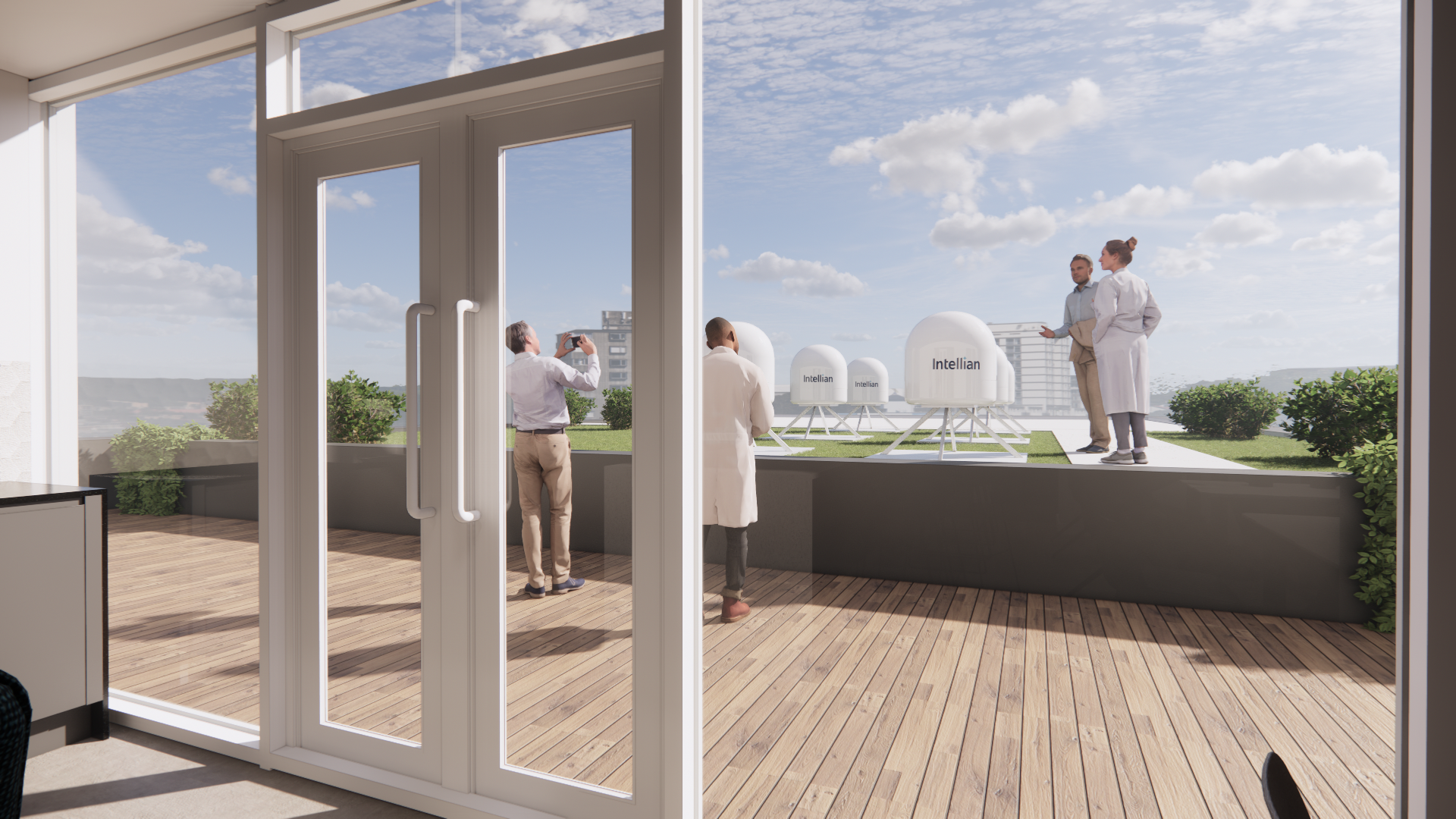
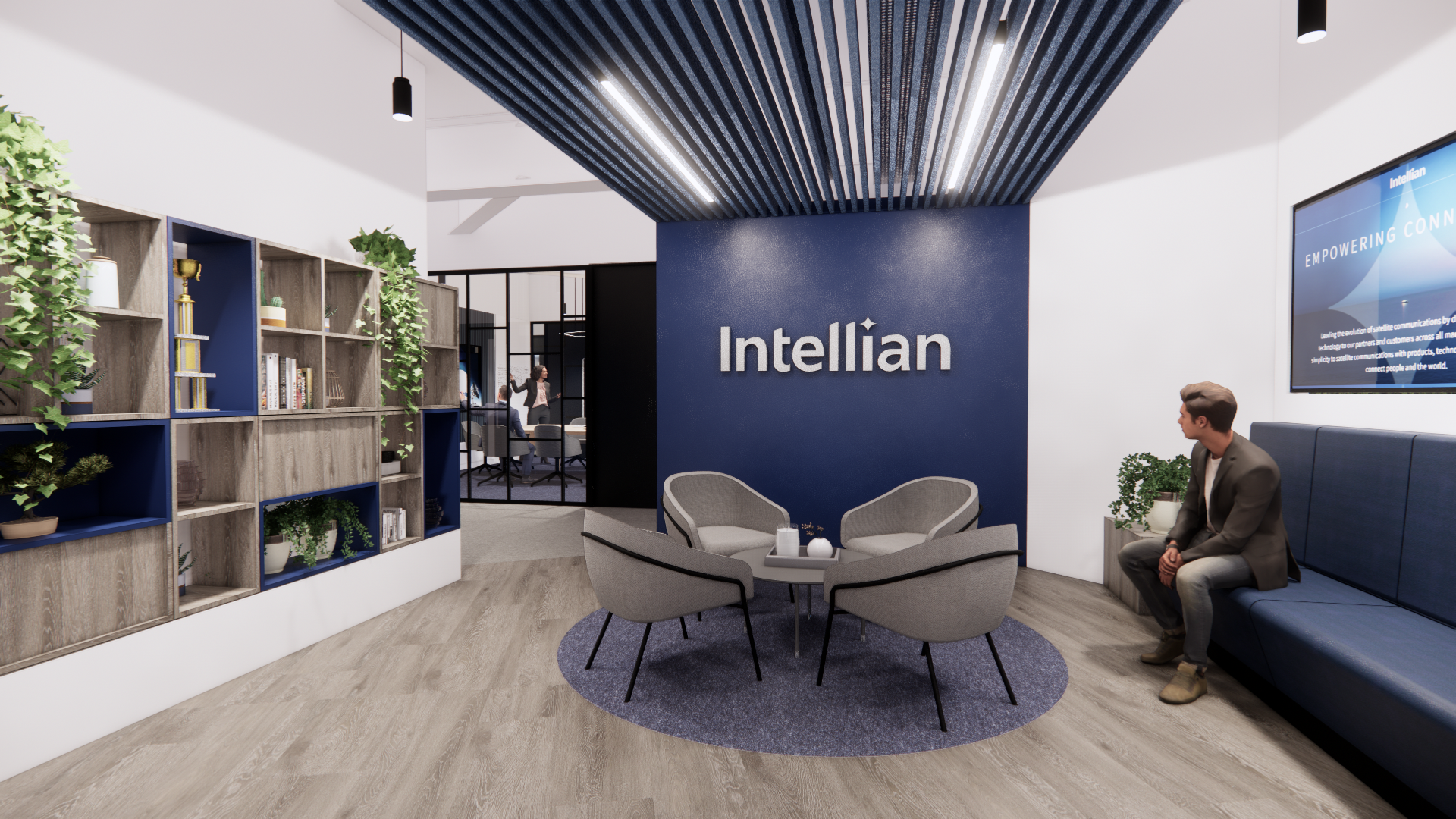
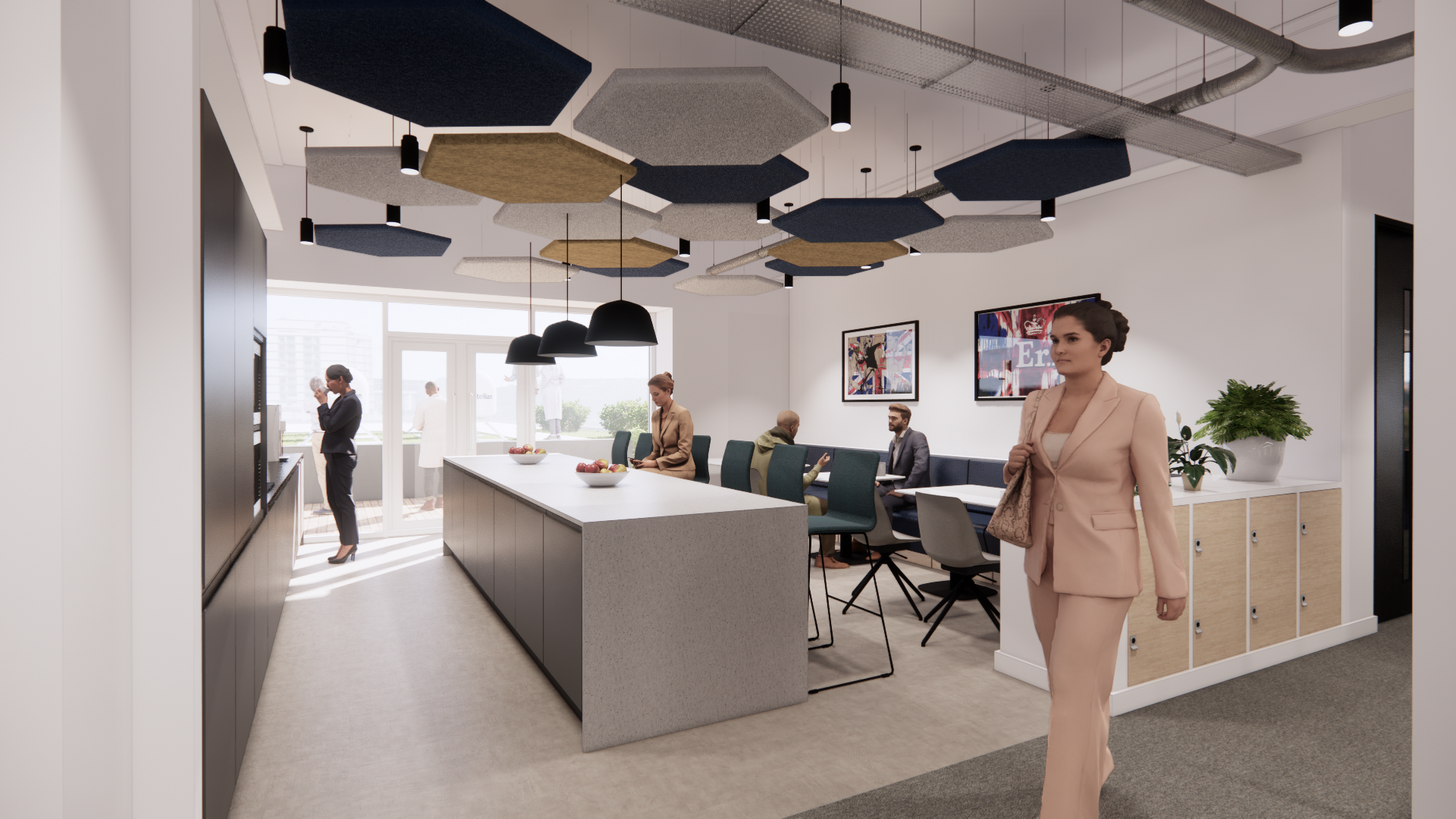
Work settings were deliberately arranged to encourage natural movement through the space during the day. Breakout areas and the kitchen were aligned with the brightest elevations and the balcony edge, supporting informal migration toward light without relying on overt behavioural prompts.
“When science meets intuition, good things happen. Like this office.”
— Former Client
Key Features
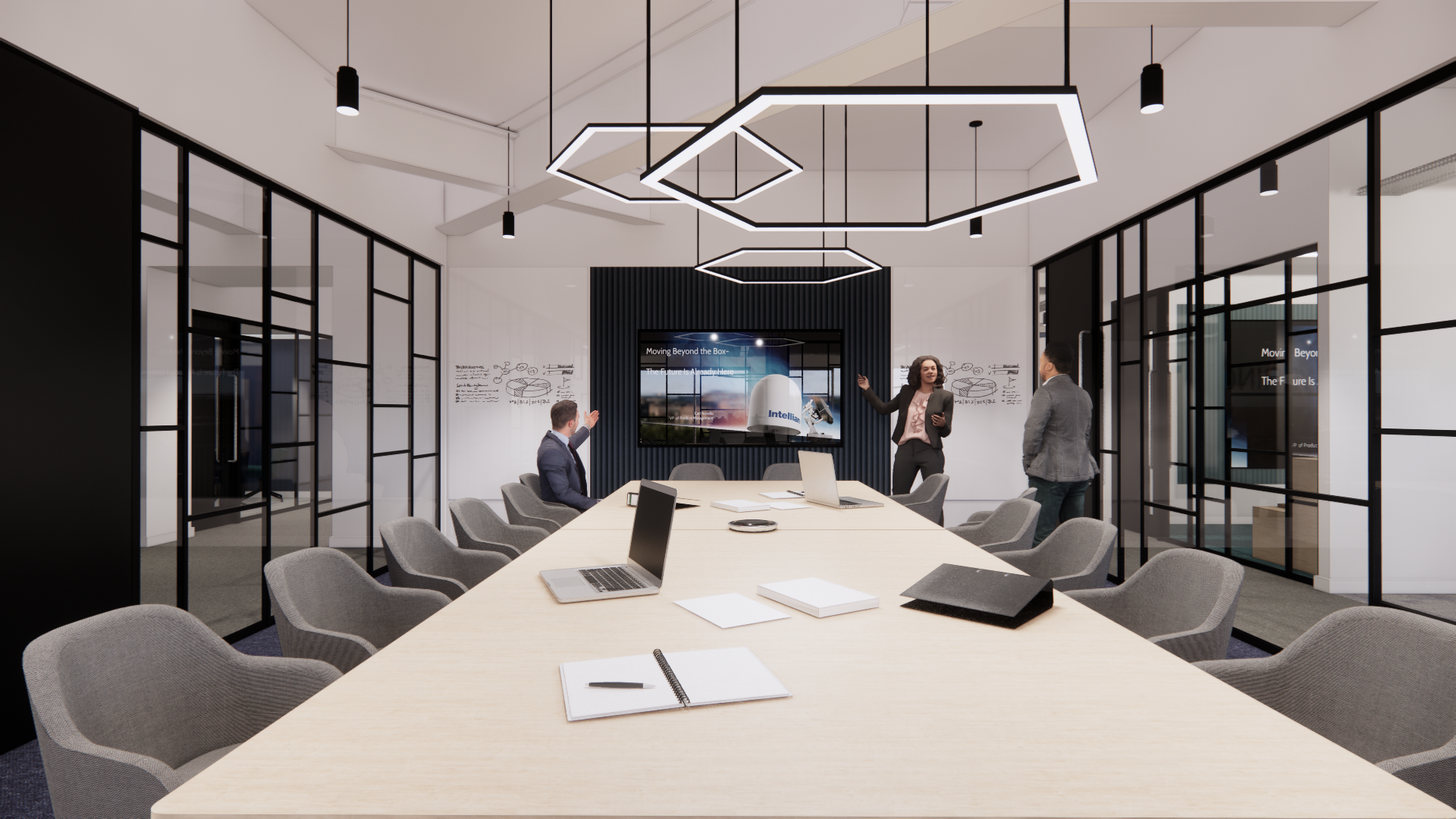
Research led workplace and laboratory planning within a light constrained building
Application of academic daylight and spatial sequencing principles
Careful zoning to balance engineering requirements and human experience
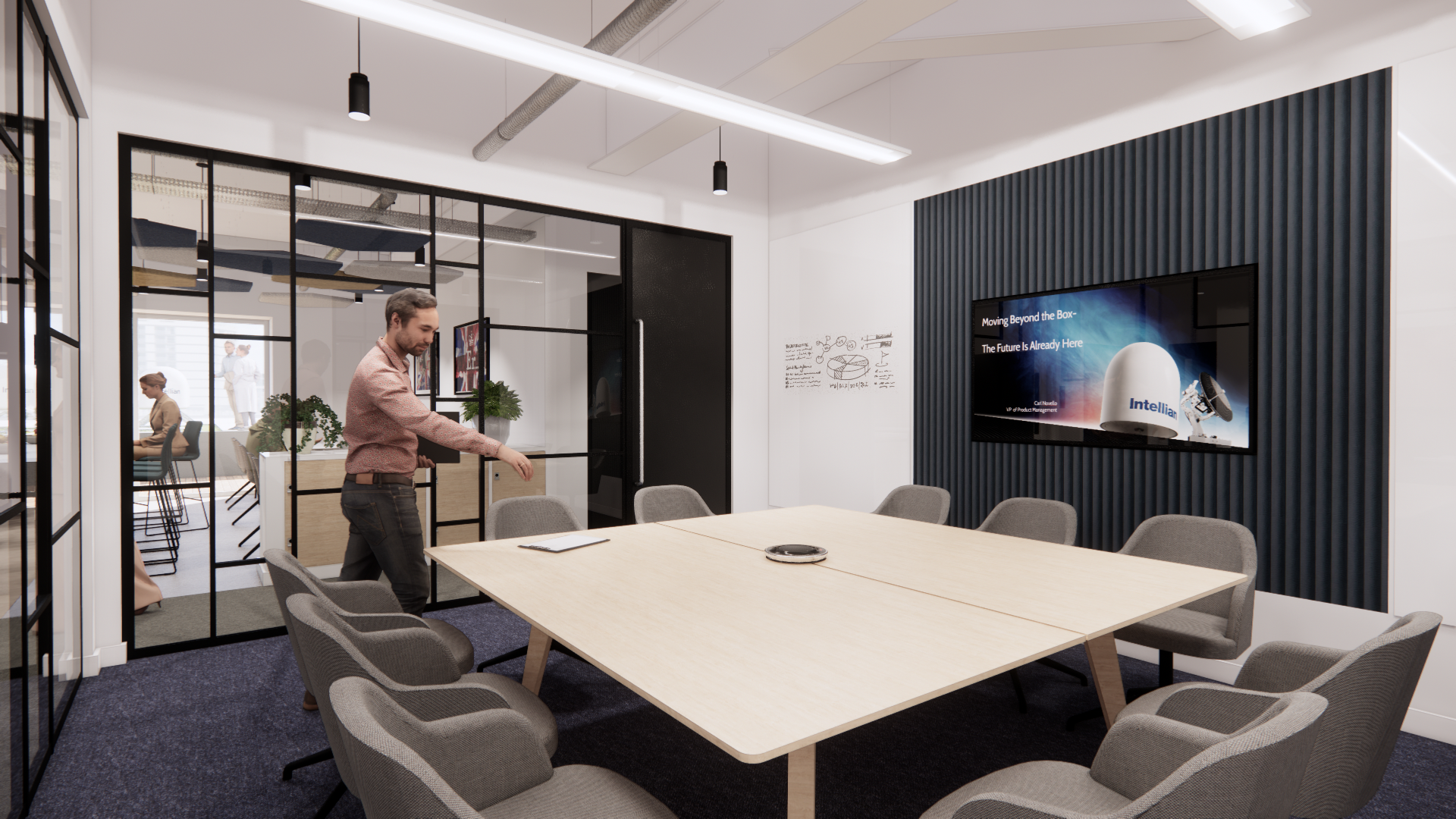
Integration of satellite testing facilities within an active workplace
Design strategies that subtly encourage movement and wellbeing
Strong collaboration with the delivery team to protect design intent
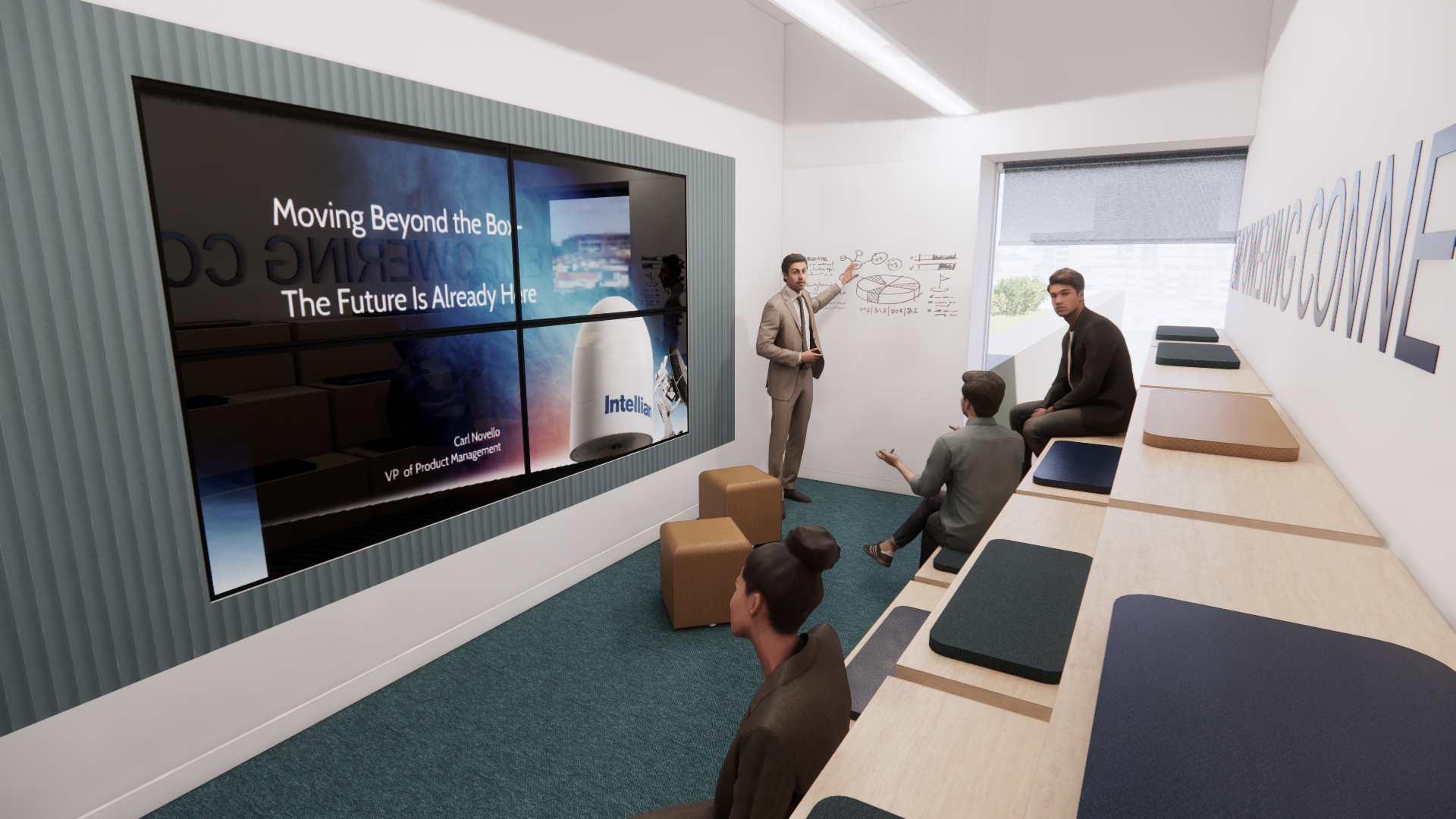
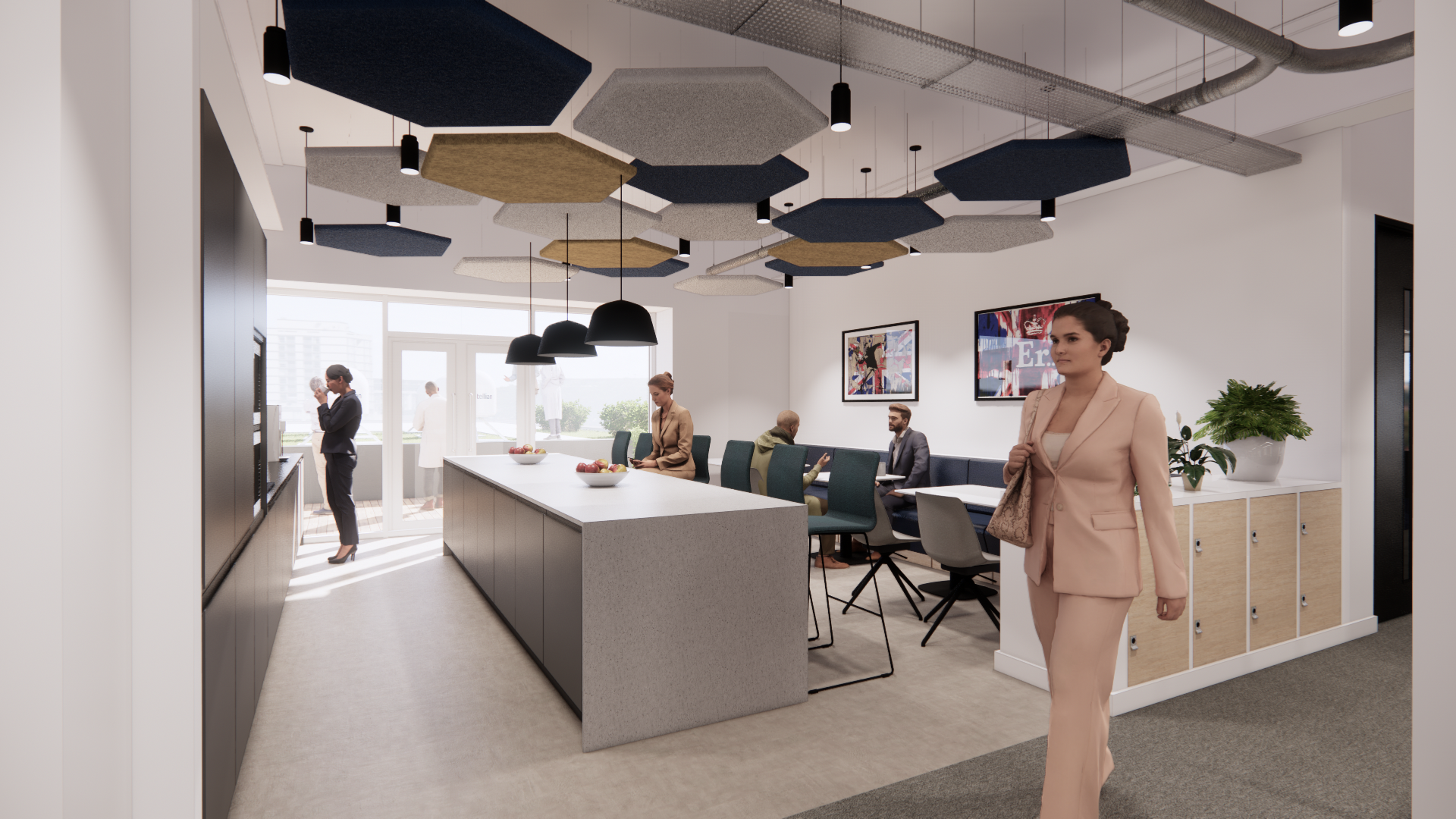
Where daylight could not be accessed, artificial lighting strategies and reflective finishes were used to lift darker zones and soften transitions between spaces. The result was a layered environment that mirrored the variation and rhythm of naturally lit workplaces.
The technical requirements of the satellite testing laboratory added further complexity. Due to the need for a direct connection to atmospheric satellites, the lab had to be in one of the brightest positions within the plan.
Crux worked closely with the delivery team to resolve this constraint without undermining the wider workplace strategy. By carefully redistributing adjacent functions and maintaining clear light paths, the design balanced technical performance with human experience.
Close collaboration with the appointed contractor ensured the research led intent was fully understood and respected during delivery, allowing the design to be realised faithfully despite the building limitations.
“When science meets intuition, good things happen. Like this office.”
— Heather Saunders - Founder | Principle
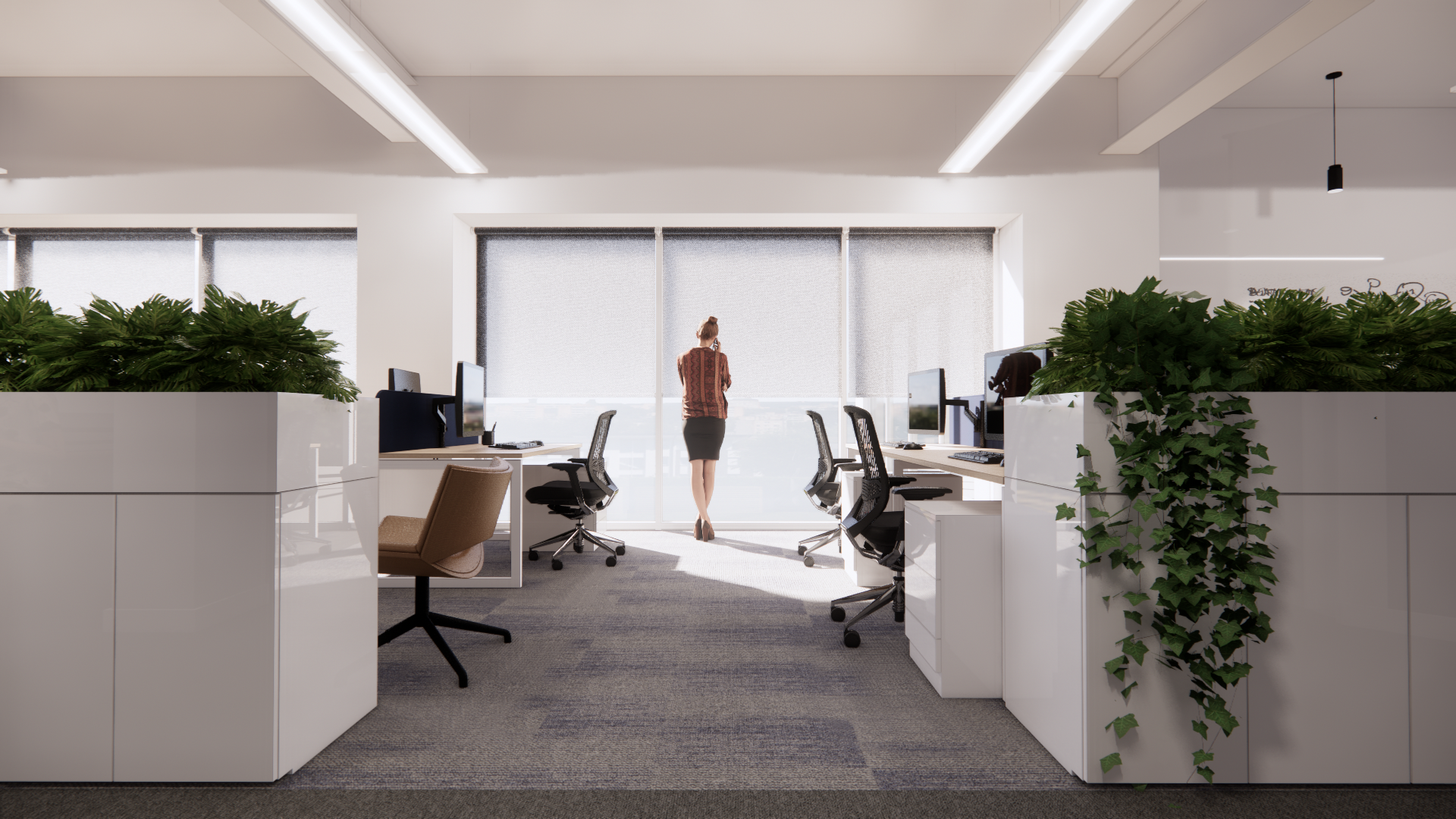
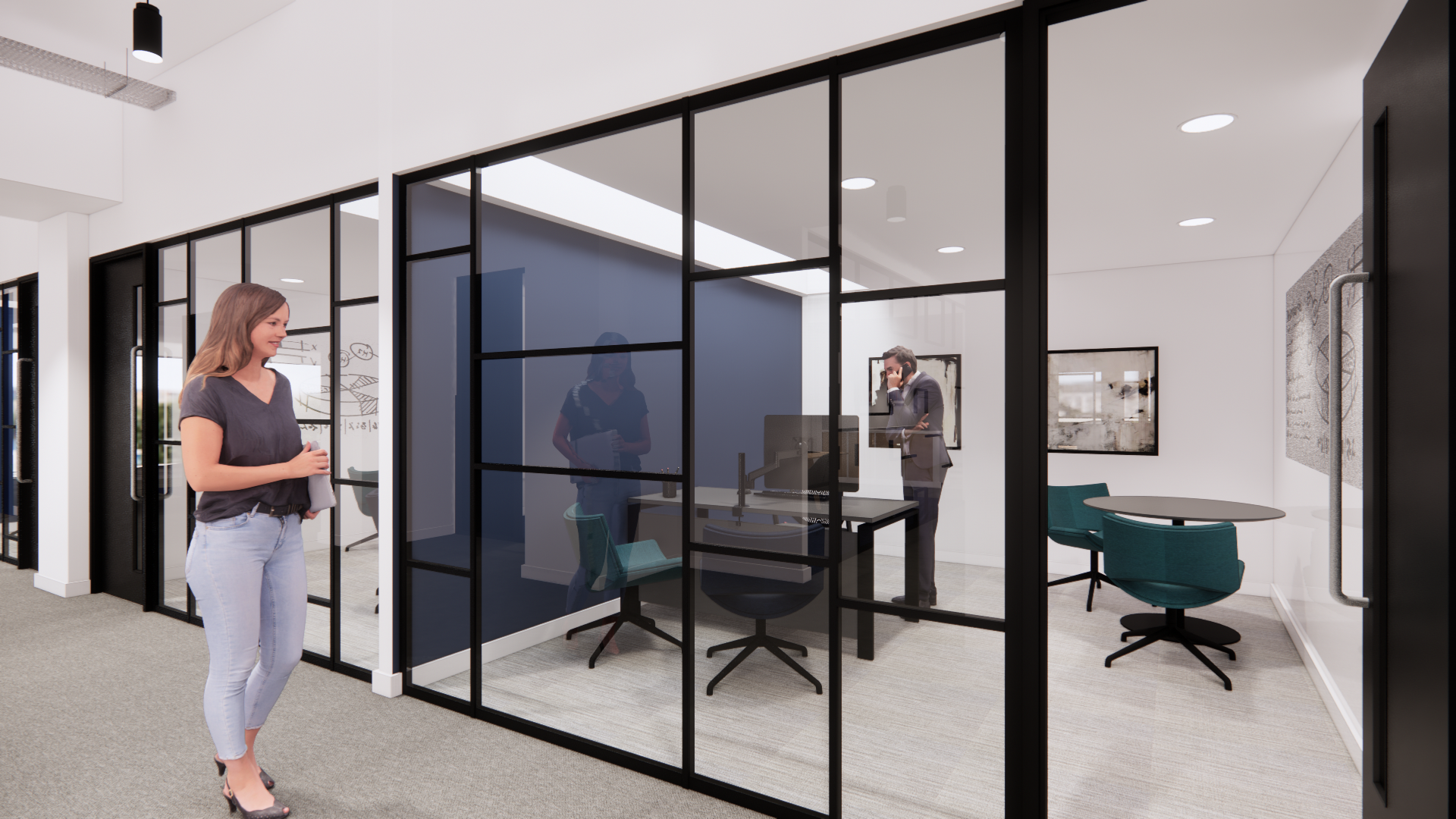
The completed workplace is widely referenced as a benchmark project, particularly by other occupiers within the same building seeking to overcome similar daylight challenges. The environment feels clear, calm, and purposeful, supporting both specialist engineering work and everyday collaboration.
The project marked a turning point in Crux’s approach, embedding research and analysis more deeply into workplace strategy. Its success demonstrated how evidence-based design can deliver tangible improvements in performance and wellbeing even within constrained conditions.
This project demonstrates Crux’s ability to translate research into practical workplace strategy that delivers measurable experience benefits. By combining academic insight, technical understanding, and collaborative delivery, we help clients unlock value in buildings others may see as compromised.
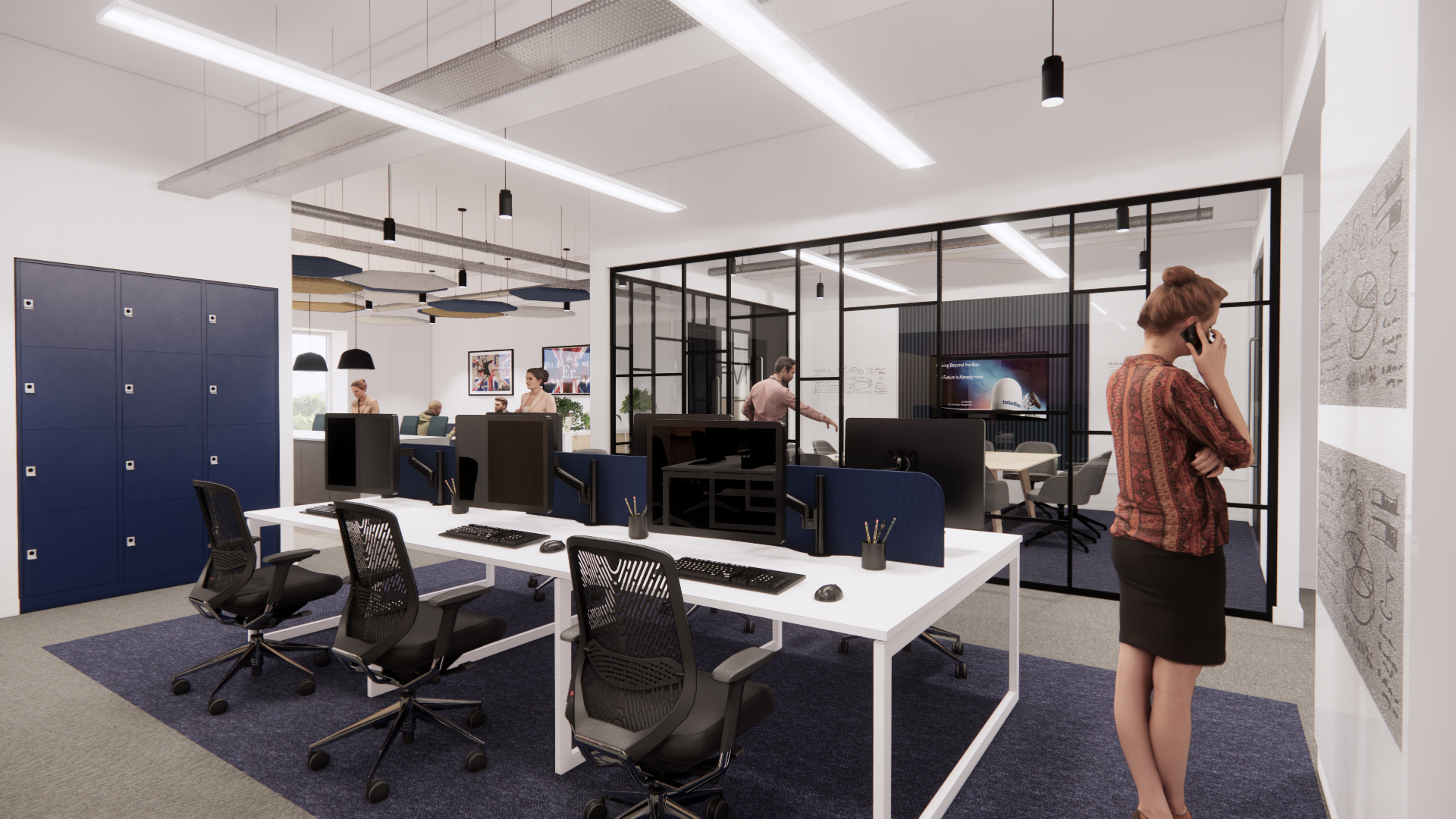
The earlier Crux is involved, the greater the positive impact we can have on building suitability, spatial strategy, and long-term performance. Early engagement allows constraints to be understood and addressed through intelligent planning rather than superficial fixes.
At Crux, success is measured by how effectively environments support people, performance, and adaptability, even in the most challenging architectural conditions.