

Care CityStrategy, Design, and Client Advocacy
|
Category
Interior Design, Architecture
Location
UK
Type
Commercial, Workplace Strategy
Crux was appointed to support Care City, a socially driven NHS affiliated organisation, in shaping the workplace strategy for its proposed new headquarters. The role extended beyond design into workplace analysis, client advocacy, and decision support, helping a values led organisation navigate an unfamiliar and highly complex commercial development environment.
Although the project was ultimately not delivered due to external construction and developer issues, Crux remained embedded for nearly two years, guiding the client through a period of uncertainty and supporting informed, values aligned decision making.
.
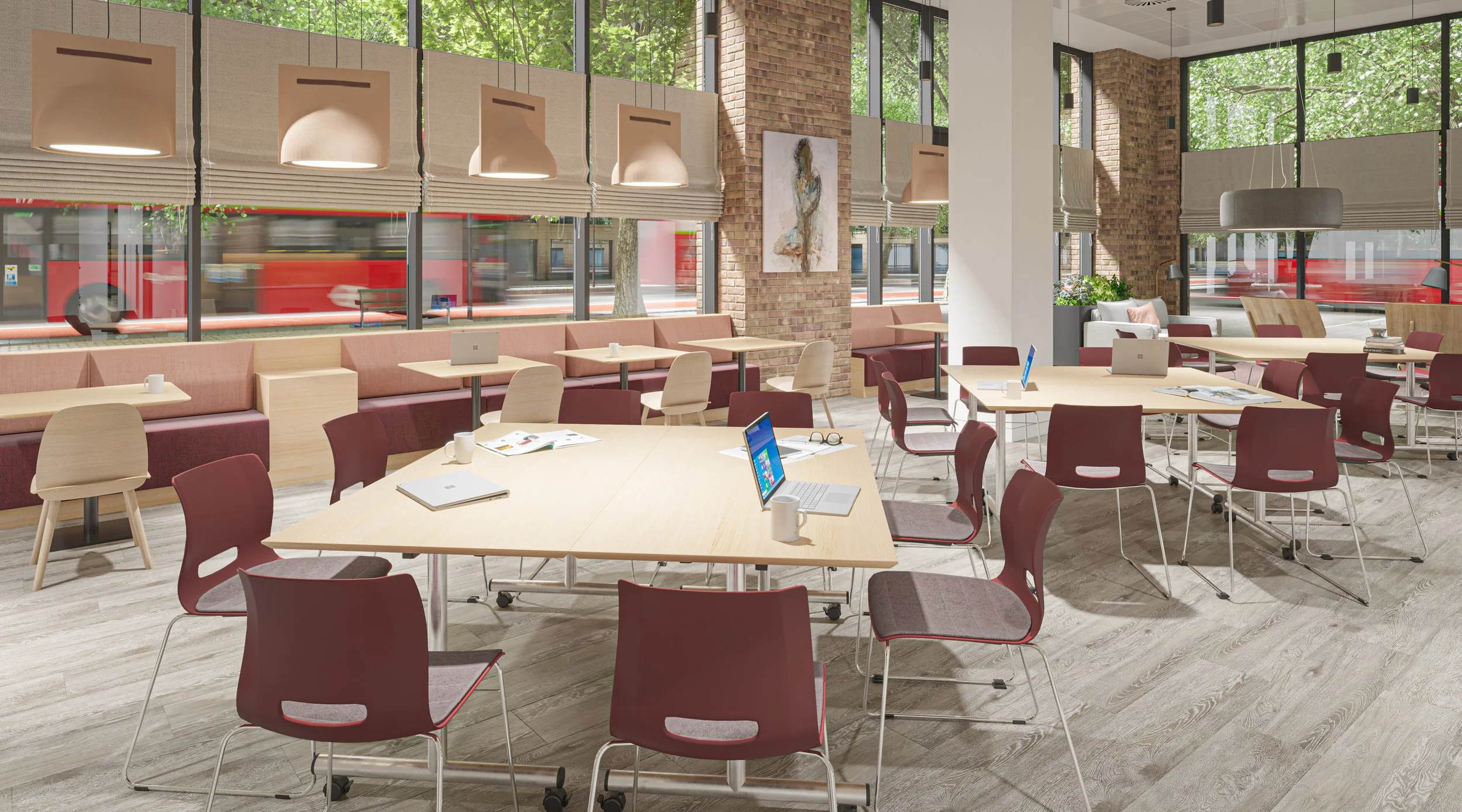
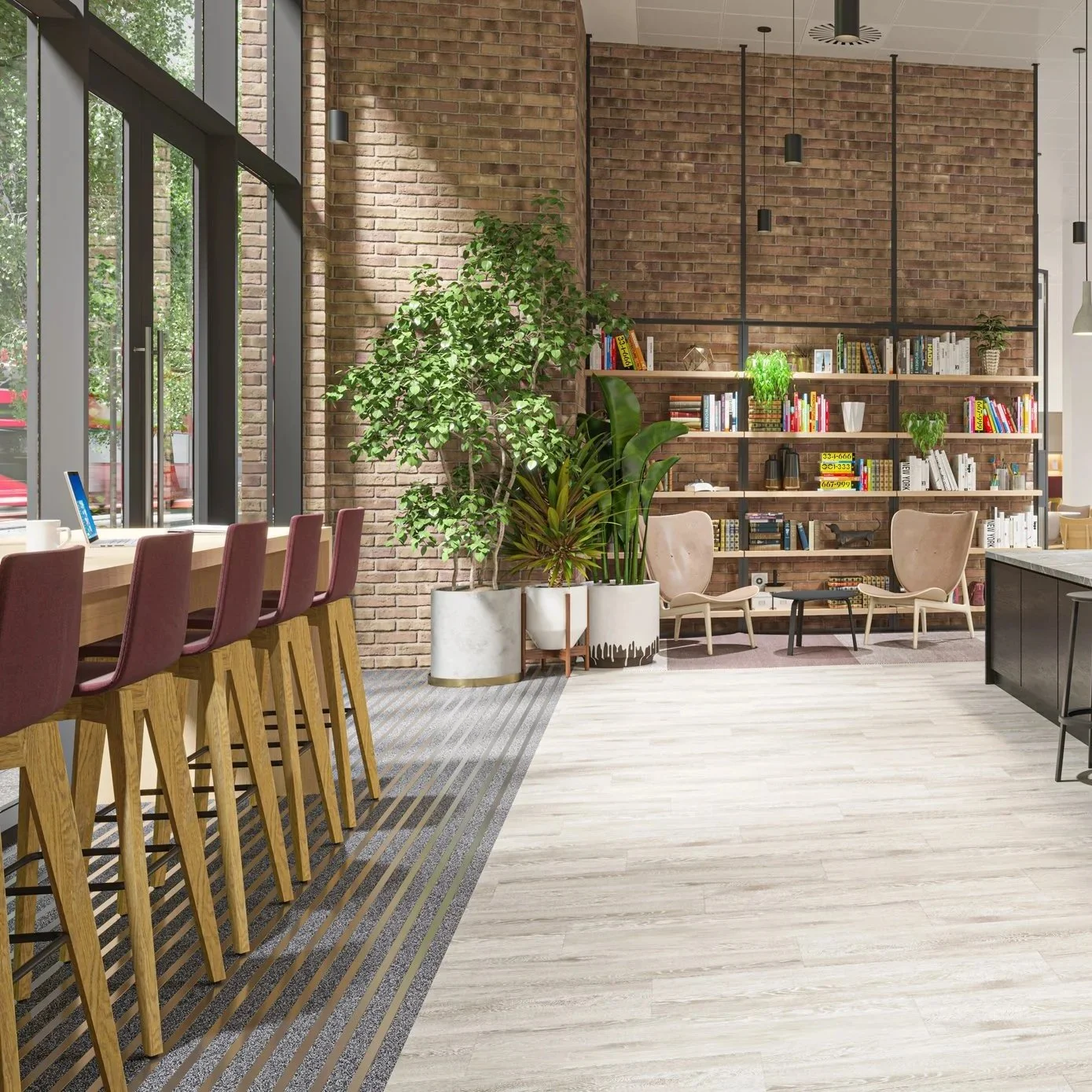
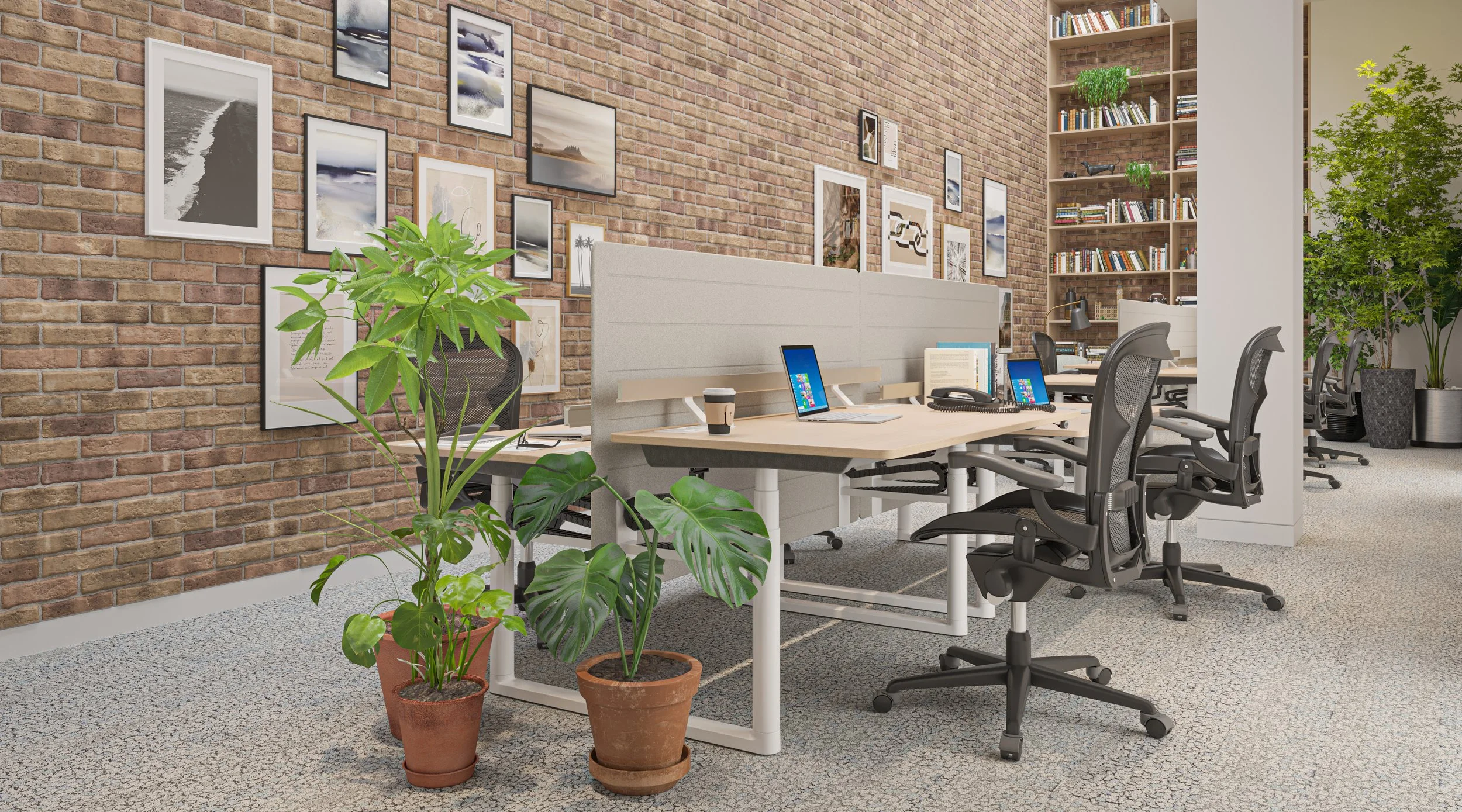
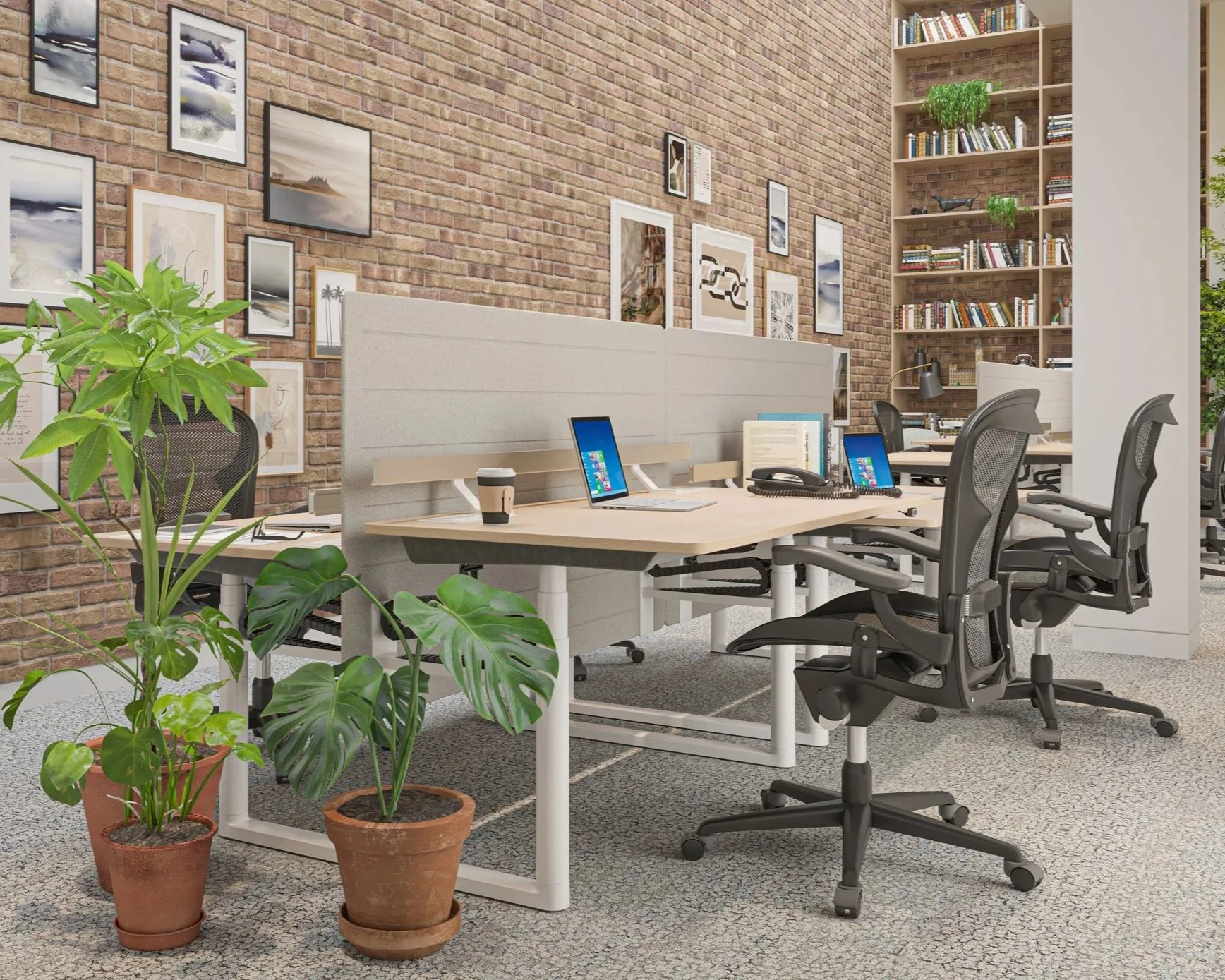
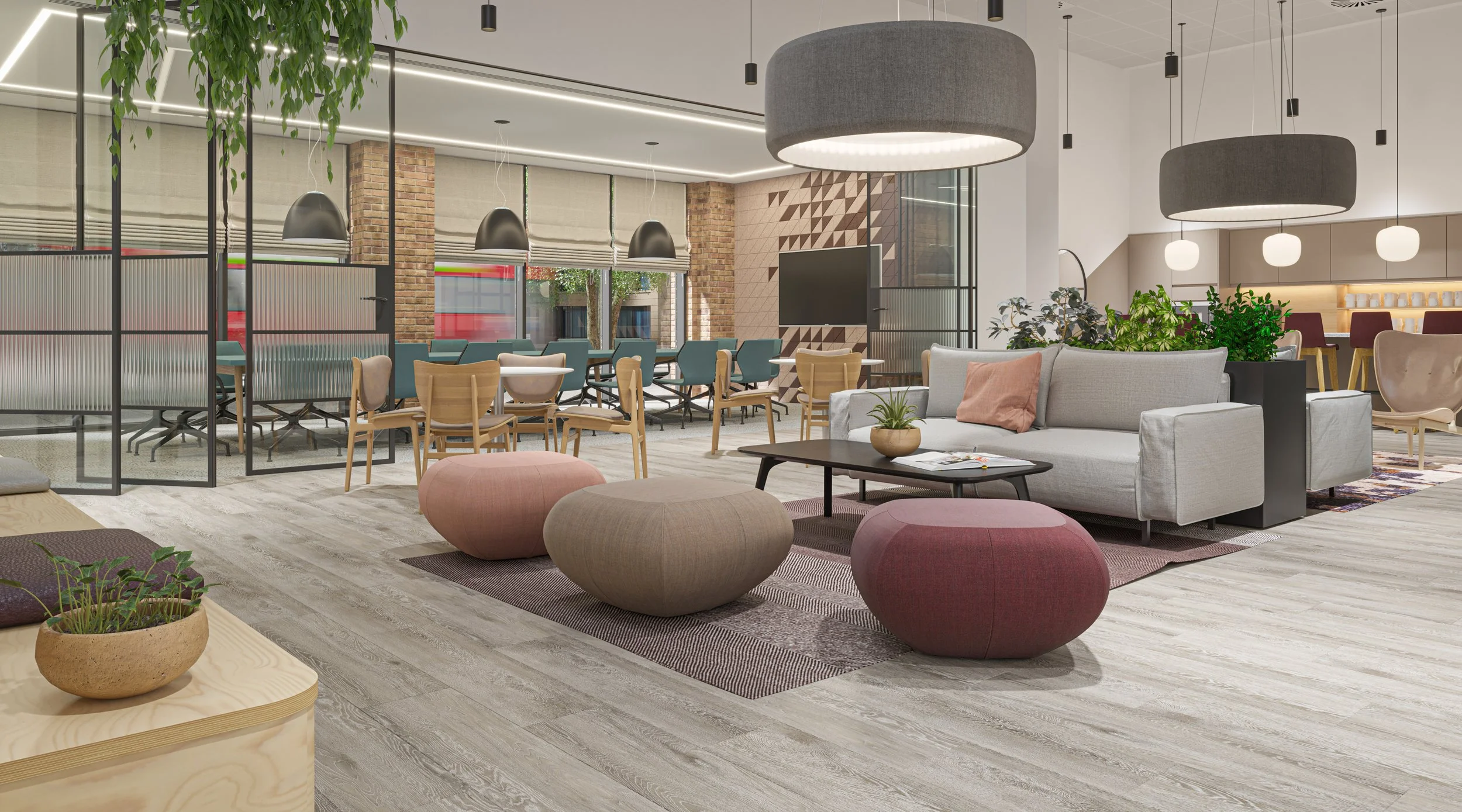
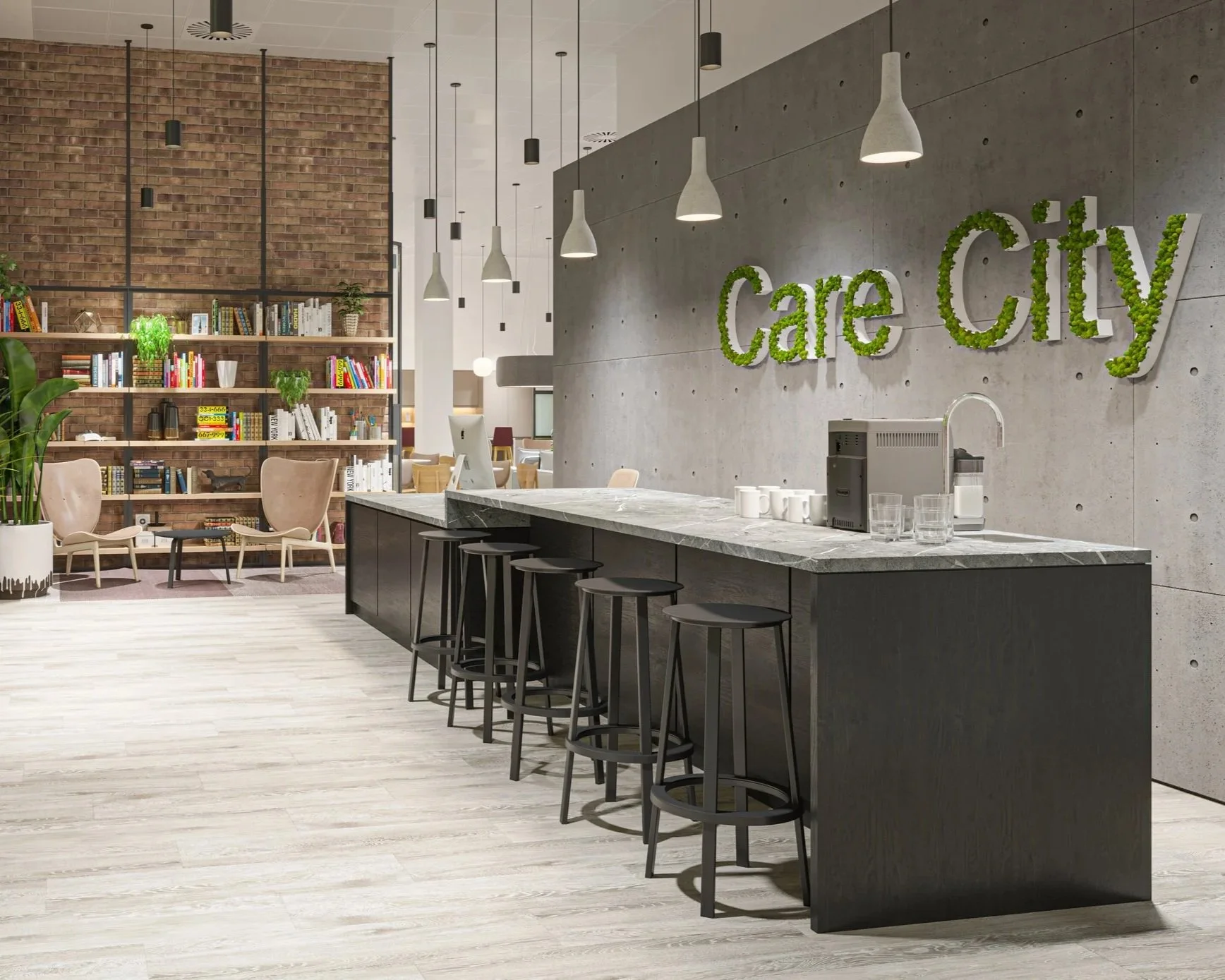
Care City required a headquarters that reflected its mission, supported its team, and welcomed a wide range of stakeholders, including individuals with health and accessibility needs. The organisation had secured a large corner unit within a new mixed-use development and saw the move as an opportunity to create a visible and inclusive home for its work.
However, the project sat within a complex development structure, and the Care City team had limited experience of commercial workplace delivery. From the outset, there was a need for clarity, translation, and reassurance, as well as guidance on whether the building and development process were fit for purpose for the organisation.
“In the end, our role wasn’t just design. It was protection, partnership, and principle.”
— Heather Saunders, Founder | Principle
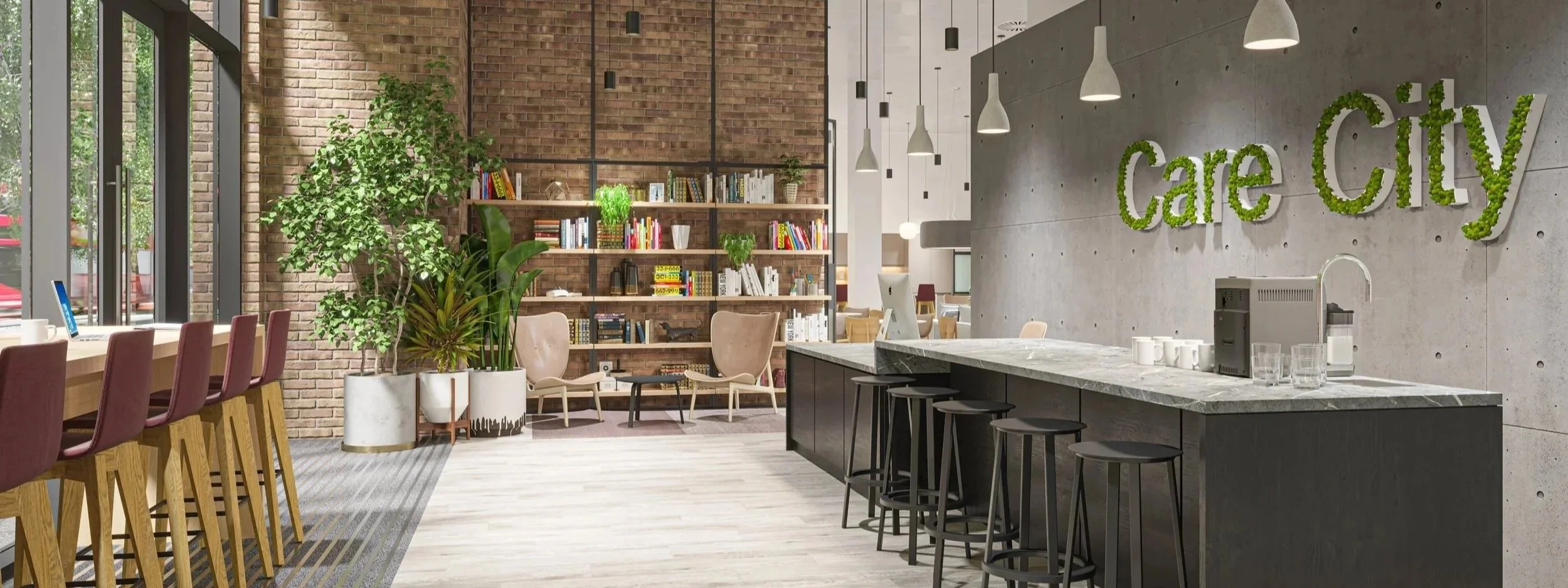
Key Features
Workplace analysis to determine suitability of a new mixed-use development
Strategic support for a client unfamiliar with commercial workplace delivery
Focus on accessibility, inclusion, and dignity as core workplace principles
Ongoing advocacy through landlord and developer negotiations
Risk identification that informed the decision to exit the development
Demonstrates the value of strategy led support beyond a built outcome
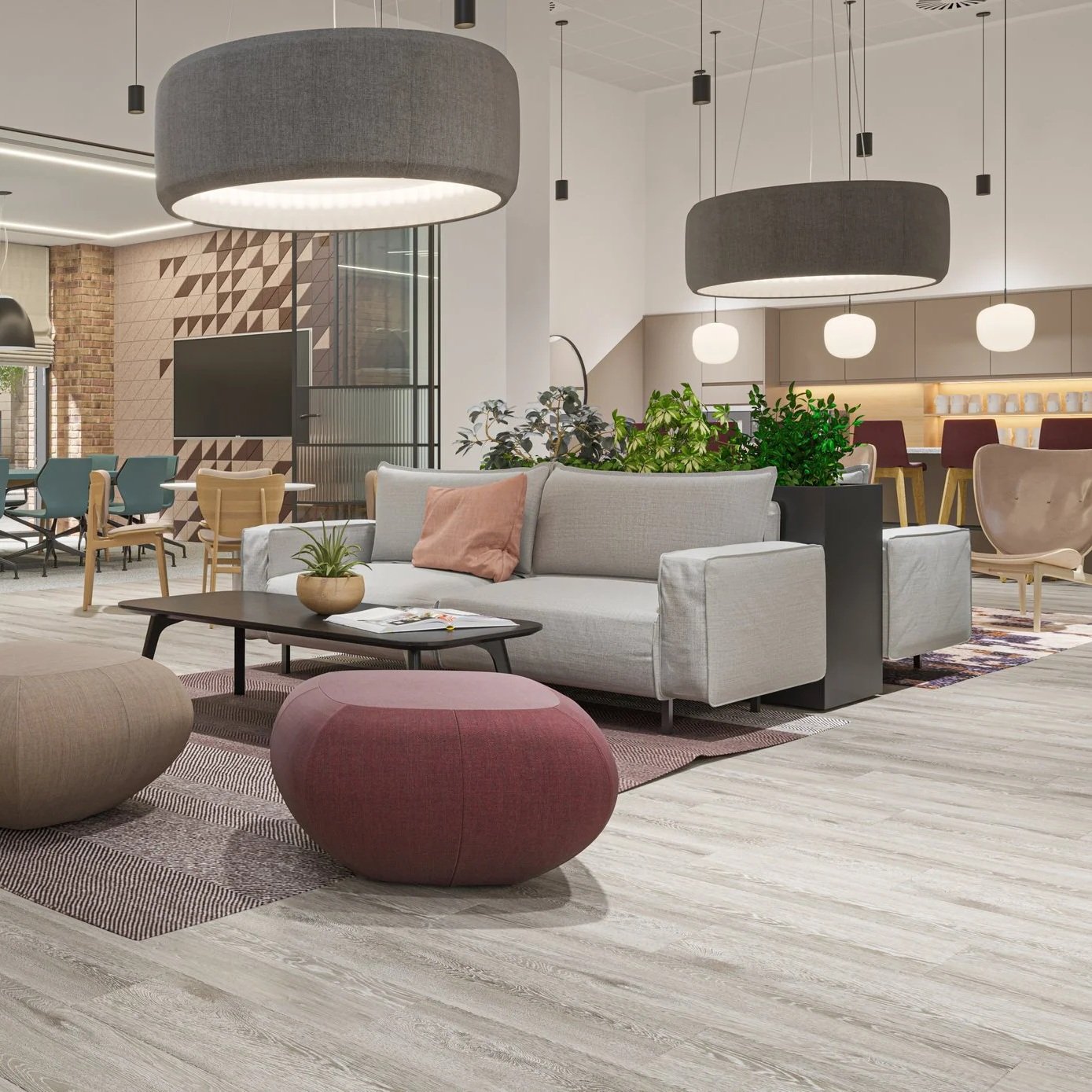
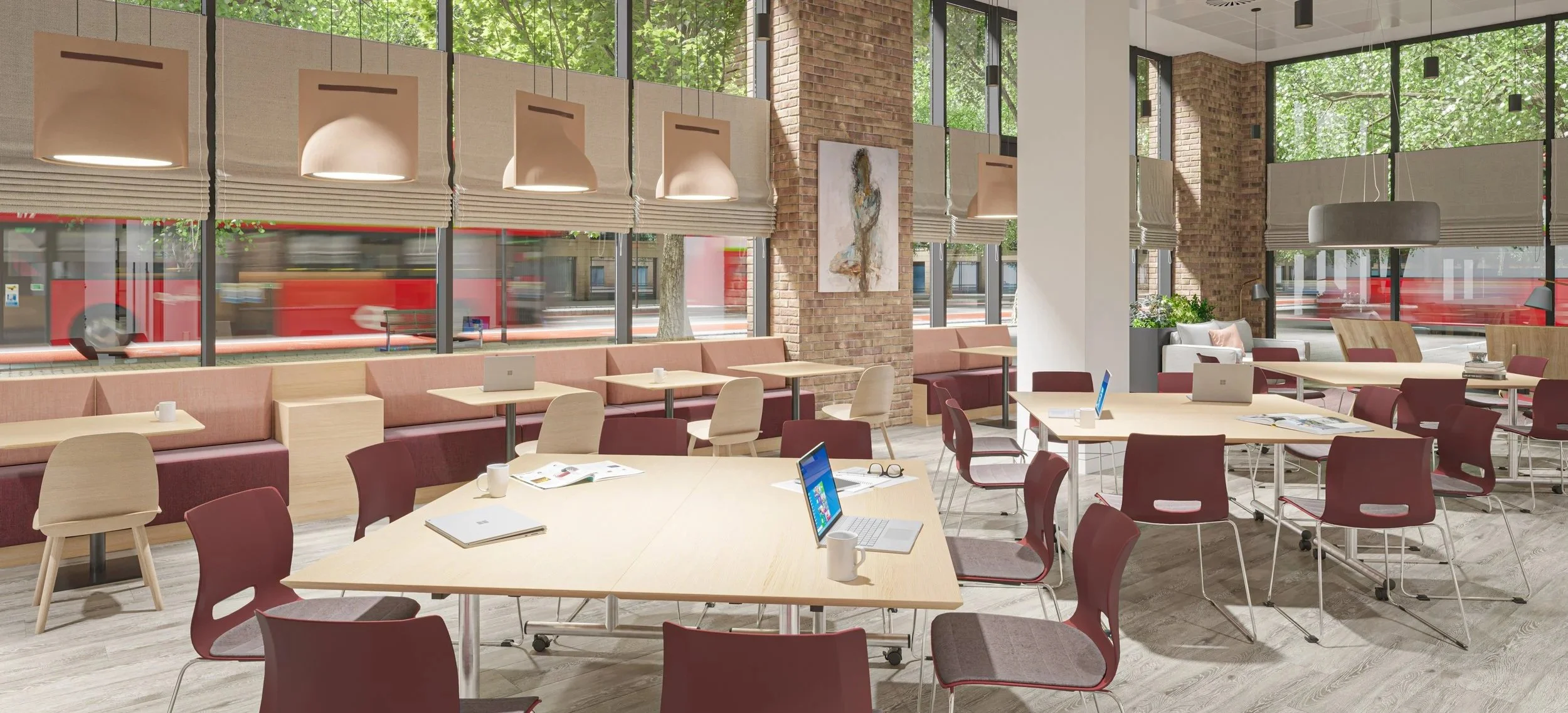
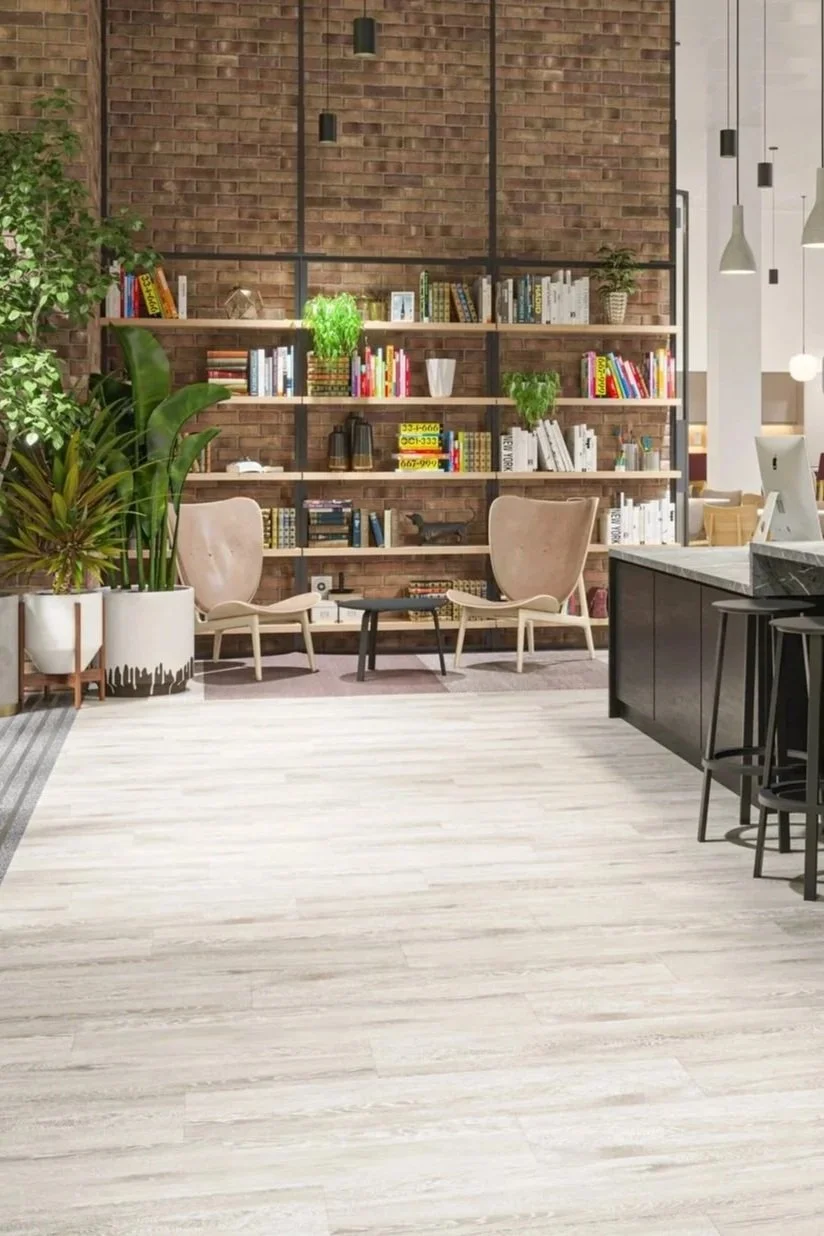
Crux approached the project through workplace analysis rather than traditional design delivery. Early work focused on understanding how Care City operated, who used the space, and what success would look like beyond aesthetics.
Performance requirements were defined around accessibility, inclusivity, safety, and ease of use. Spatial planning and workplace concepts were developed to test how the building could support these needs, while ongoing analysis assessed whether the wider development context could realistically deliver them.
This approach allowed Care City to see beyond drawings and understand the practical implications of decisions being made around them.
.
“When we hired Heather and Crux, we knew that she was a smart and stylish designer. However, my anxiety was about Care City’s circumstances and requirements. We didn’t have a large budget, and we also did not want a plush or luxurious office. I need not have worried. Heather was extremely responsive to our brief and priorities, and curious to understand our team, organisation and work as deeply as possible, to create a space right for us.”
— John Craig
When the development stalled and was ultimately abandoned, Crux supported Care City in making the difficult decision to exit the project. While the headquarters was never built, the outcome protected the organisation from significant financial and operational risk.
Care City moved into a managed office solution better suited to its immediate needs, and the relationship with Crux remained strong. The project reinforced the importance of early workplace analysis and informed decision making, particularly for socially driven organisations operating within commercial environments.
This project demonstrates Crux’s ability to deliver value through workplace strategy and change management, even when a project does not progress to construction. By providing clarity, advocacy, and honest guidance, we enabled the client to make a confident decision aligned with their mission and responsibilities.
The earlier Crux is involved in a process, the greater the positive impact we can have on building suitability, risk management, and long-term outcomes. Early engagement allows organisations to understand when to proceed and when to step away, protecting both resources and purpose.
At Crux, success is measured not only by what is built, but by how effectively clients are supported to make the right decisions at the right time.