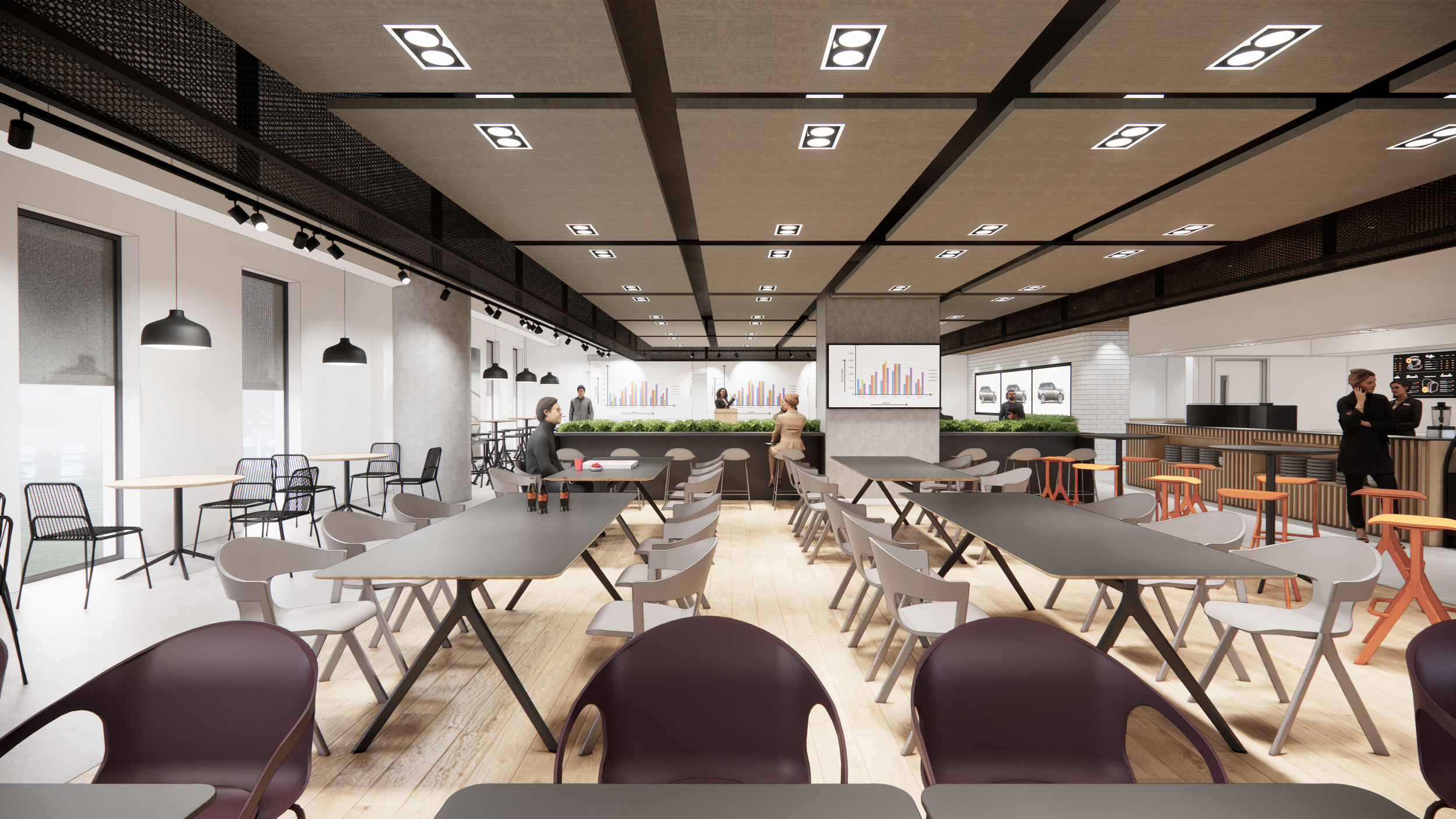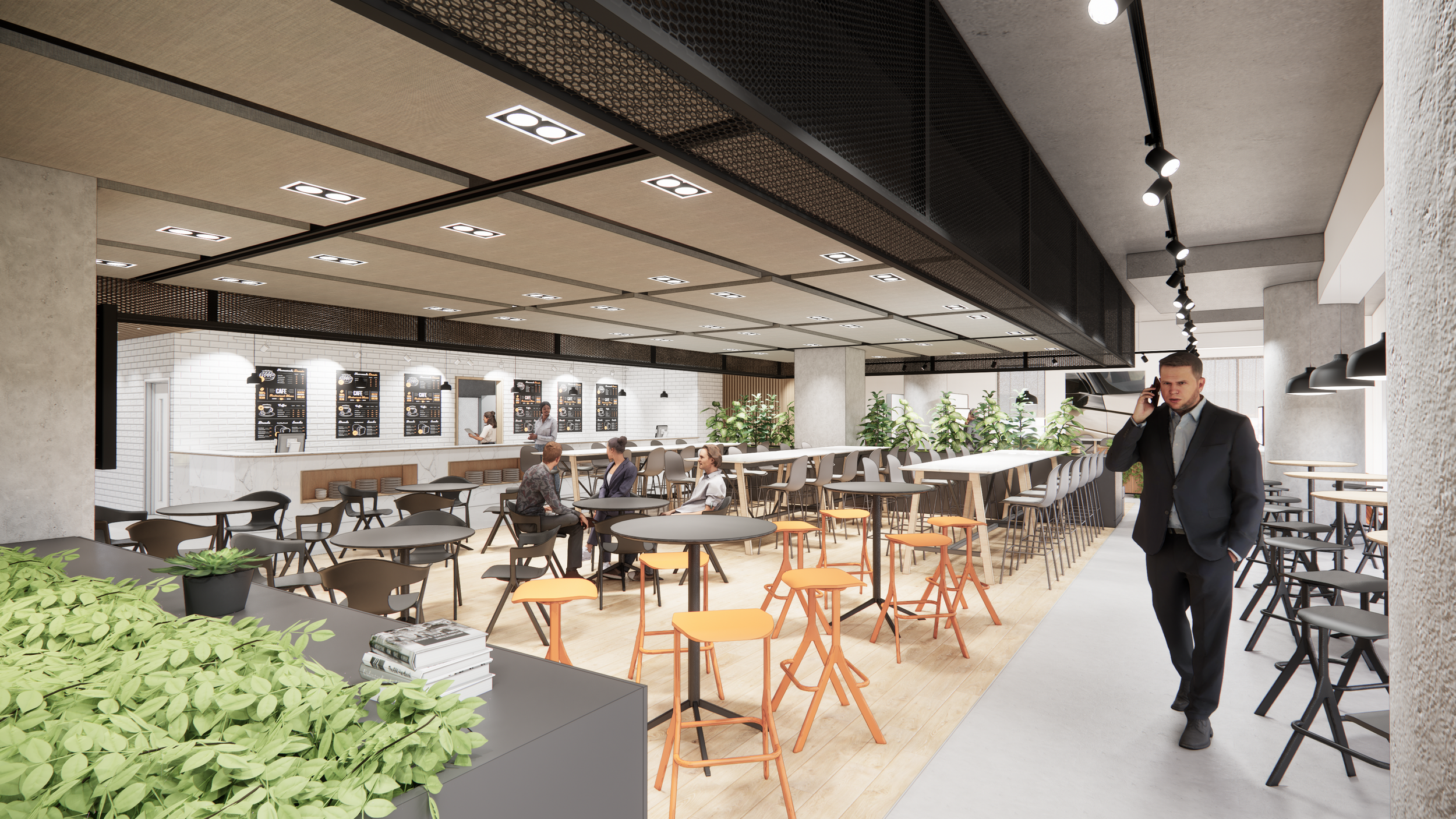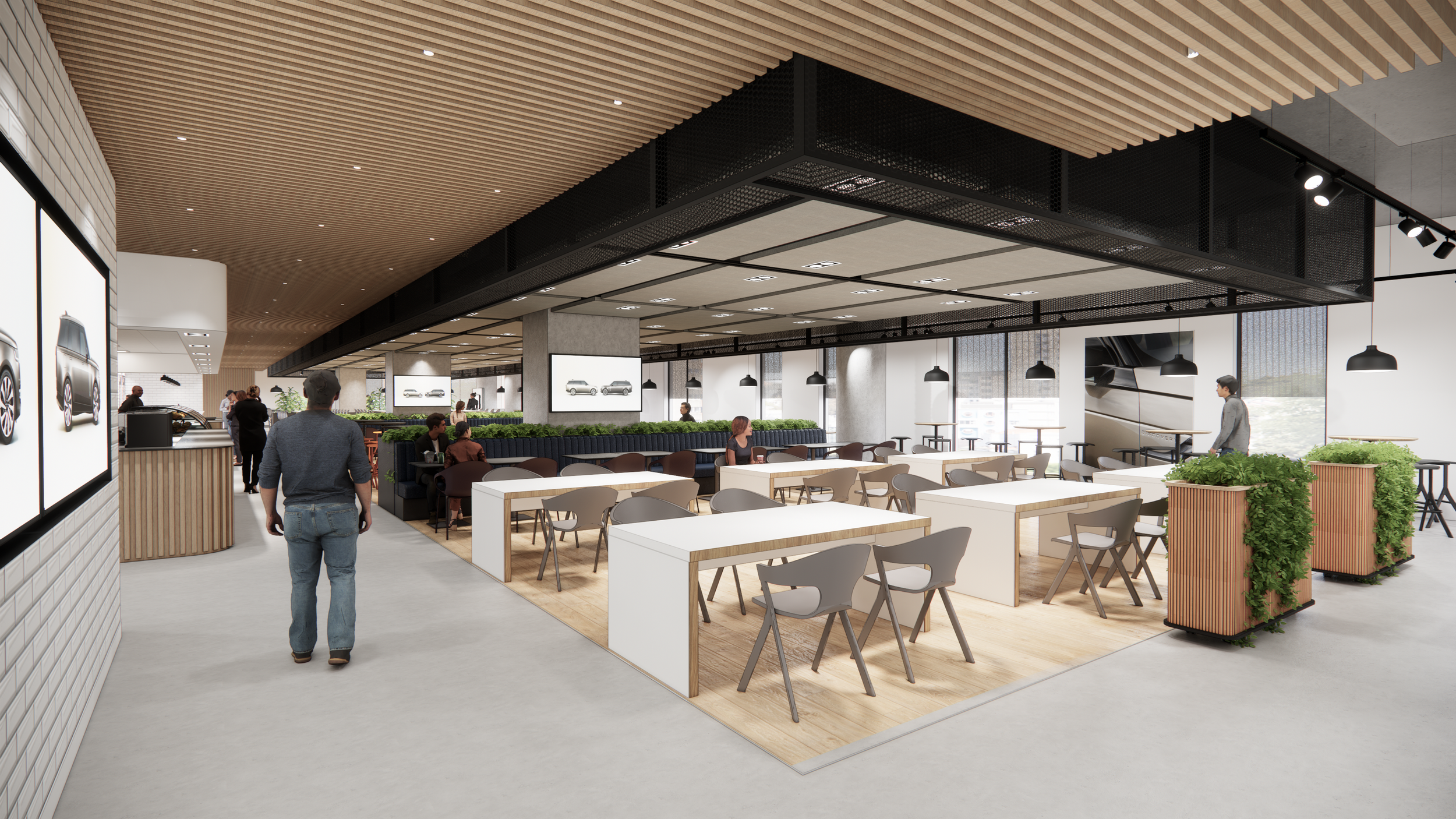
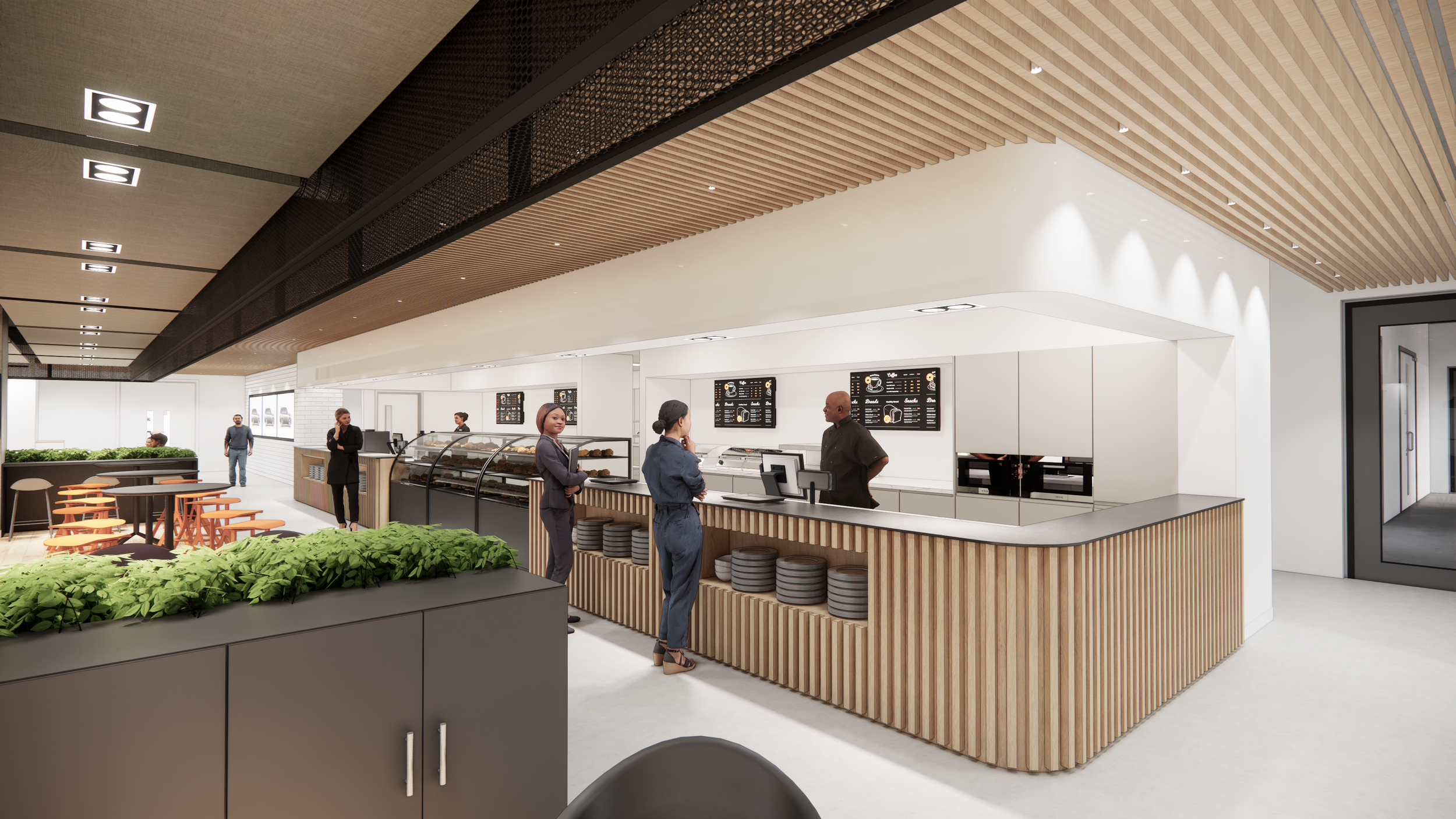
Jaguar Land Rover - Cafeteria & Restaurant Design of a large-scale workplace cafeteria serving Jaguar Land Rover’s rapidly growing engineering population in Bangalore
|
|
Category
Interior Design, Architecture, Global Guidelines
Location
Bangalore, India
Type
Commercial, Retail, Workplace Strategy
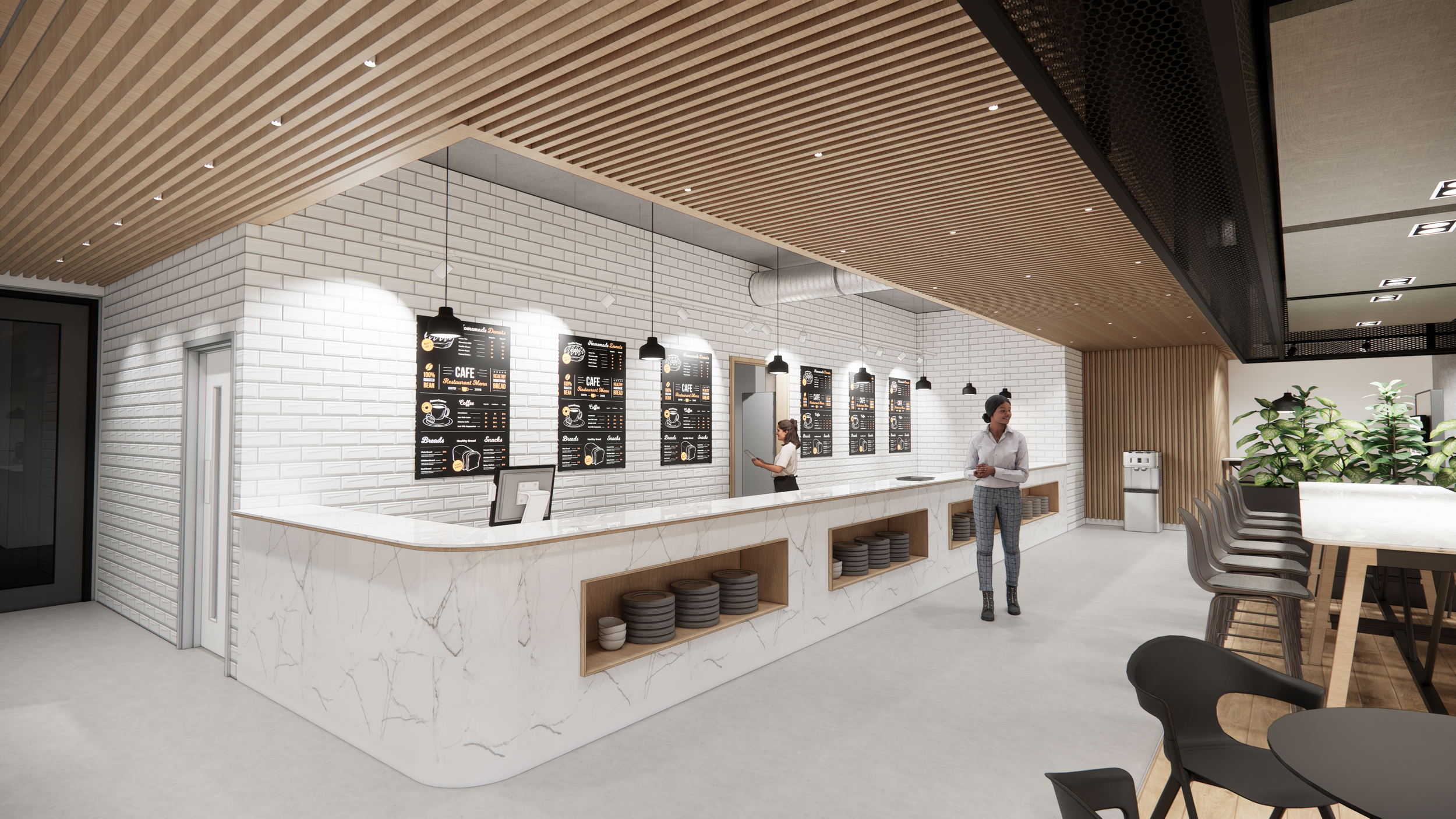
Crux was appointed to lead the strategic planning and design of a large-scale workplace cafeteria serving Jaguar Land Rover’s rapidly growing engineering population in Bangalore. The cafeteria was conceived not as an amenity, but as a critical operational environment supporting staff wellbeing, productivity, and retention.
In the Indian corporate context, access to high quality, subsidised meals is an expected and culturally significant part of the employee experience. The challenge was to deliver a high throughput, all day food environment that could operate under intense peak demand while remaining welcoming, intuitive, and enjoyable.
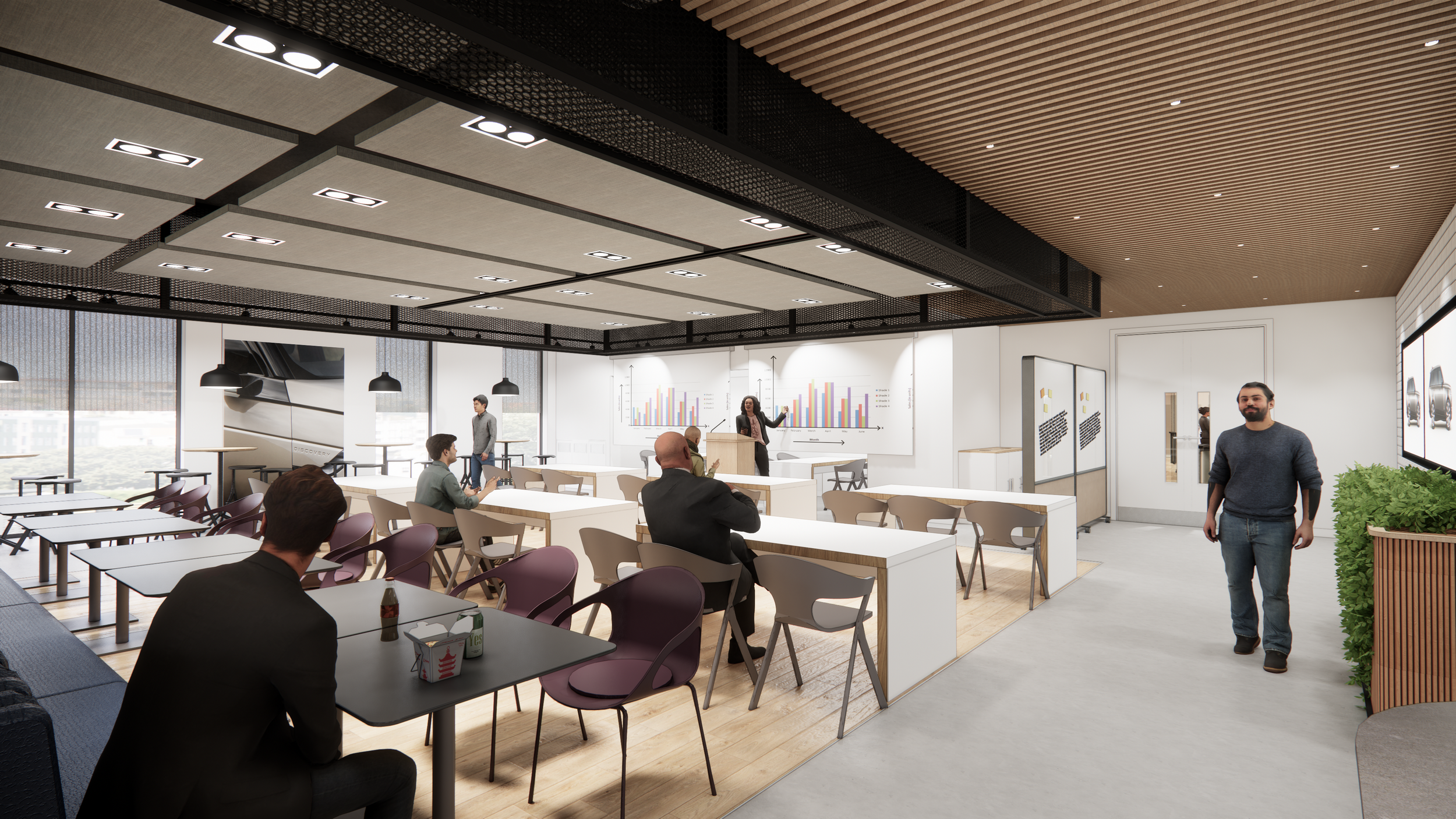
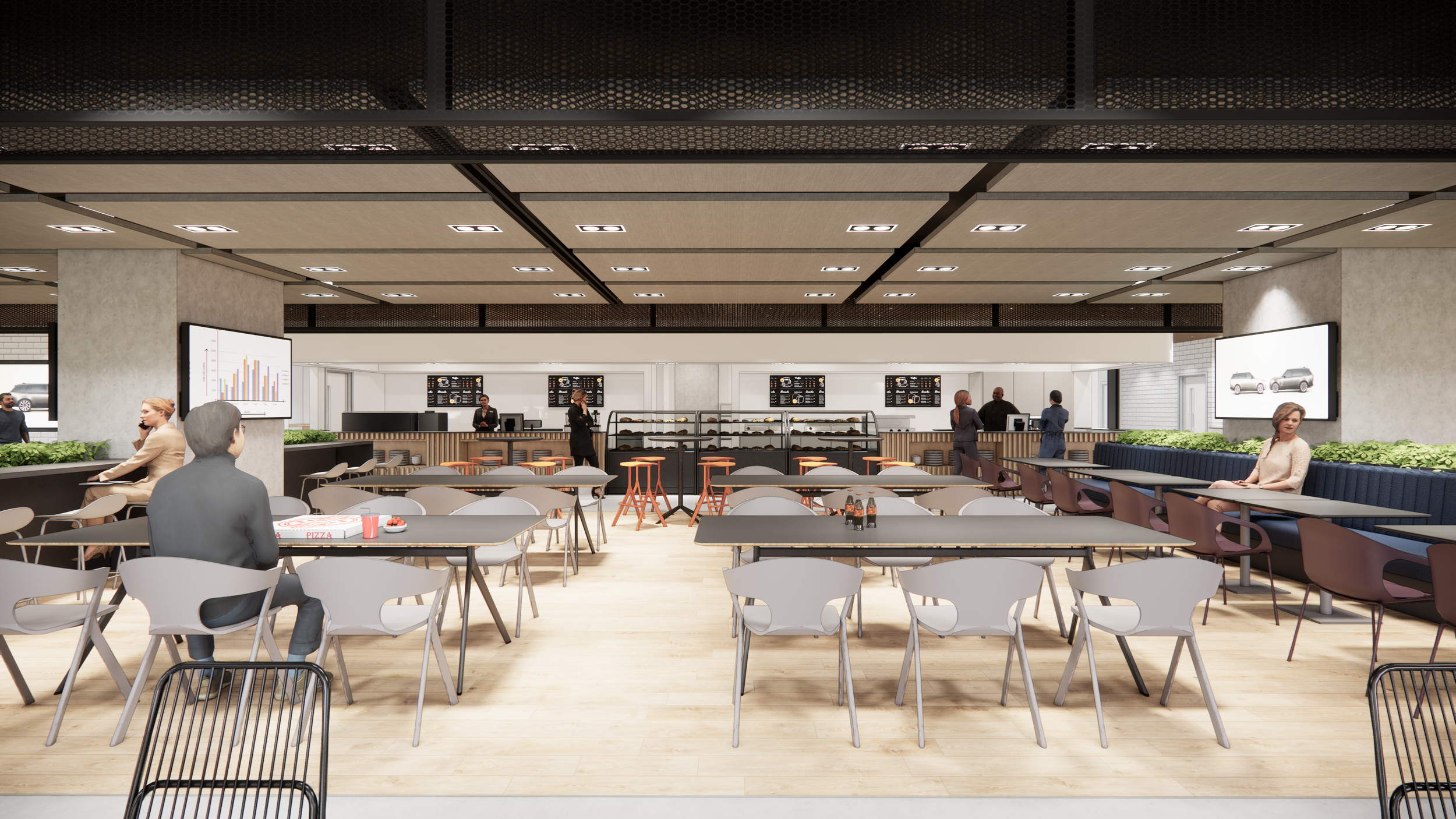
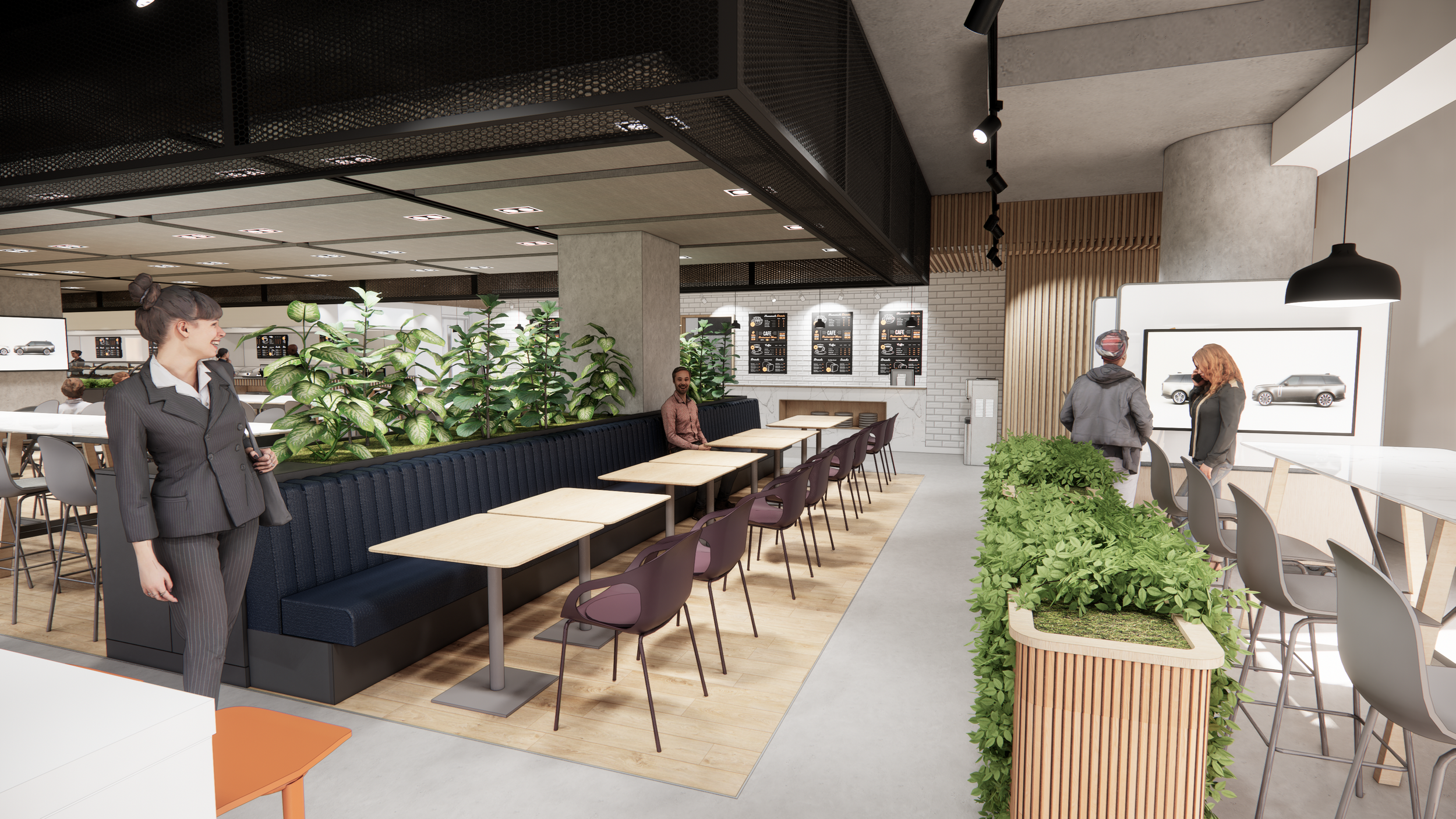
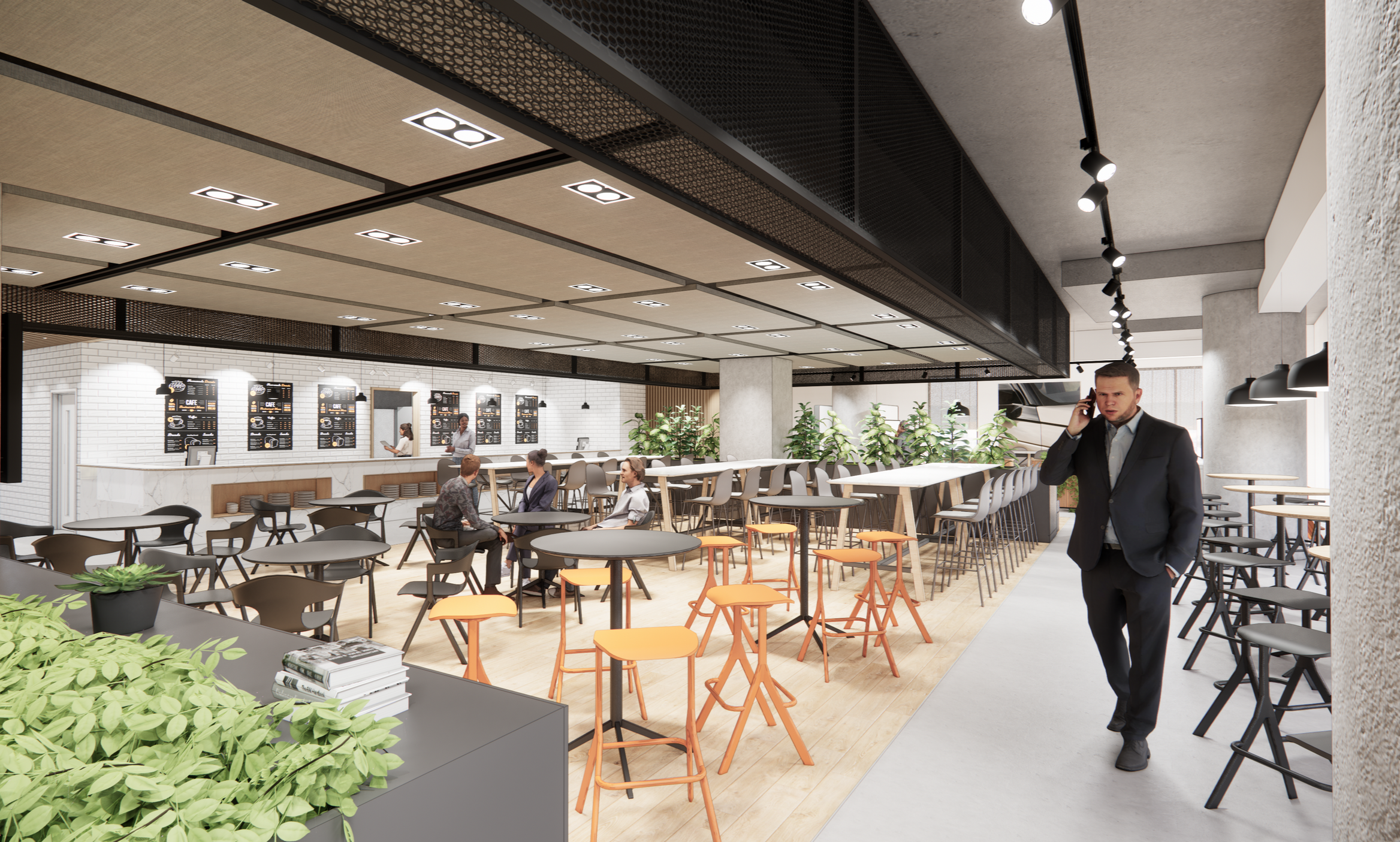
The cafeteria needed to serve a very large population across multiple sittings for breakfast and lunch, while also supporting all day use for coffee and informal breaks. Speed, clarity, and ease of use were essential, but not at the expense of comfort or staff experience.
Crux approached the project as a behavioural and operational challenge rather than a kitchen design exercise. The focus was on how people move, decide, queue, sit, and leave, and how those behaviours could be supported through spatial planning rather than operational workarounds.
Crux mapped human flow patterns before finalising layouts, testing circulation routes, ordering points, seating strategies, and decision-making moments. The design prioritised intuitive movement and rapid processing during peak periods, reducing friction and congestion without making the space feel rushed or institutional.
“Designing for Growth. Delivering for the Future.”
— Heather Saunders, Founder | Principle
Key Features
High throughput cafeteria designed for large scale daily use
Integrated hospitality thinking within a high-performance engineering workplace
Human flow mapped and tested before layout design
Queuing and circulation scenarios rigorously explored
Design leadership extended into consultant selection and capability assessment
Cafeteria became a daily destination rather than a functional utility
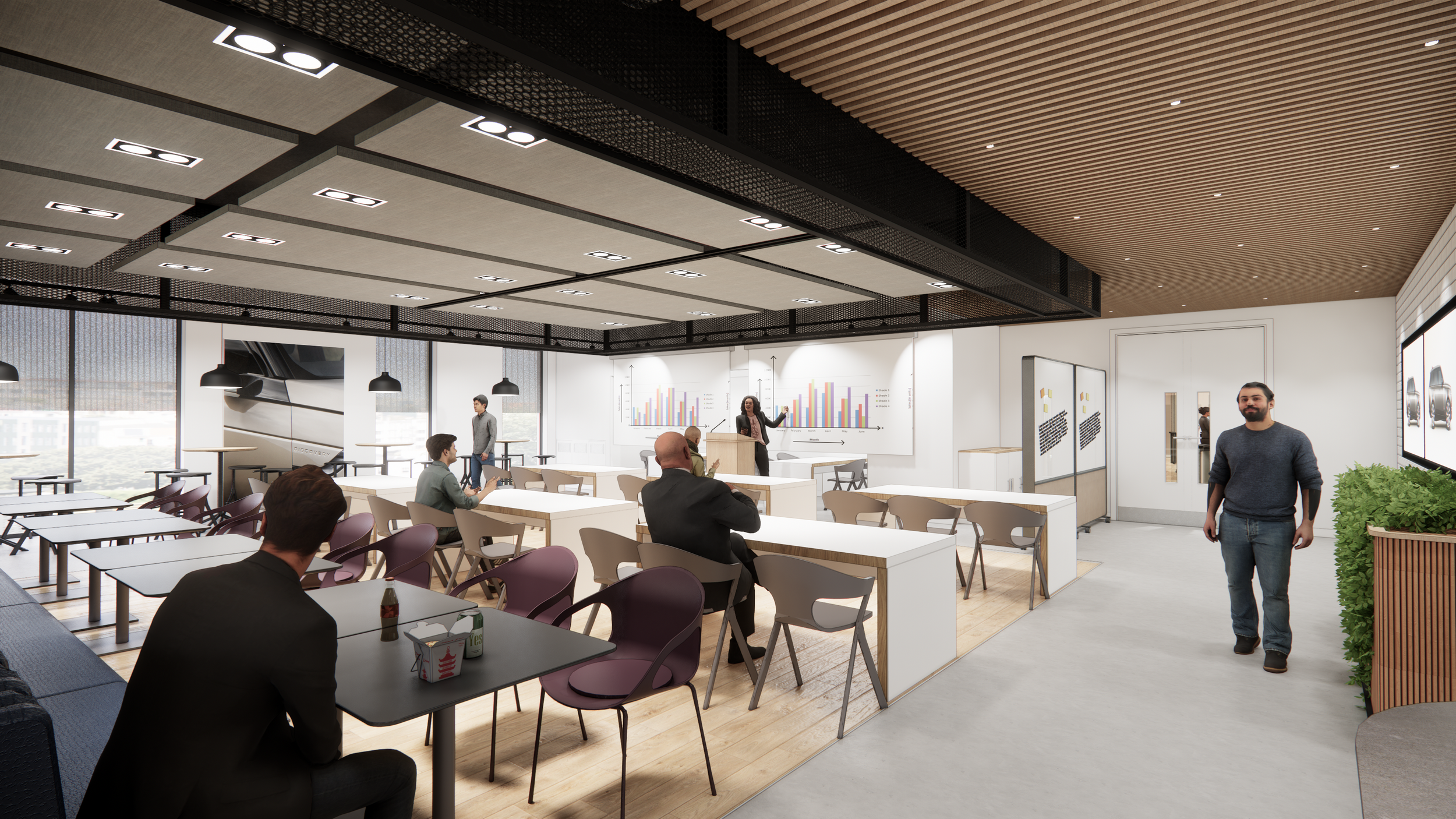
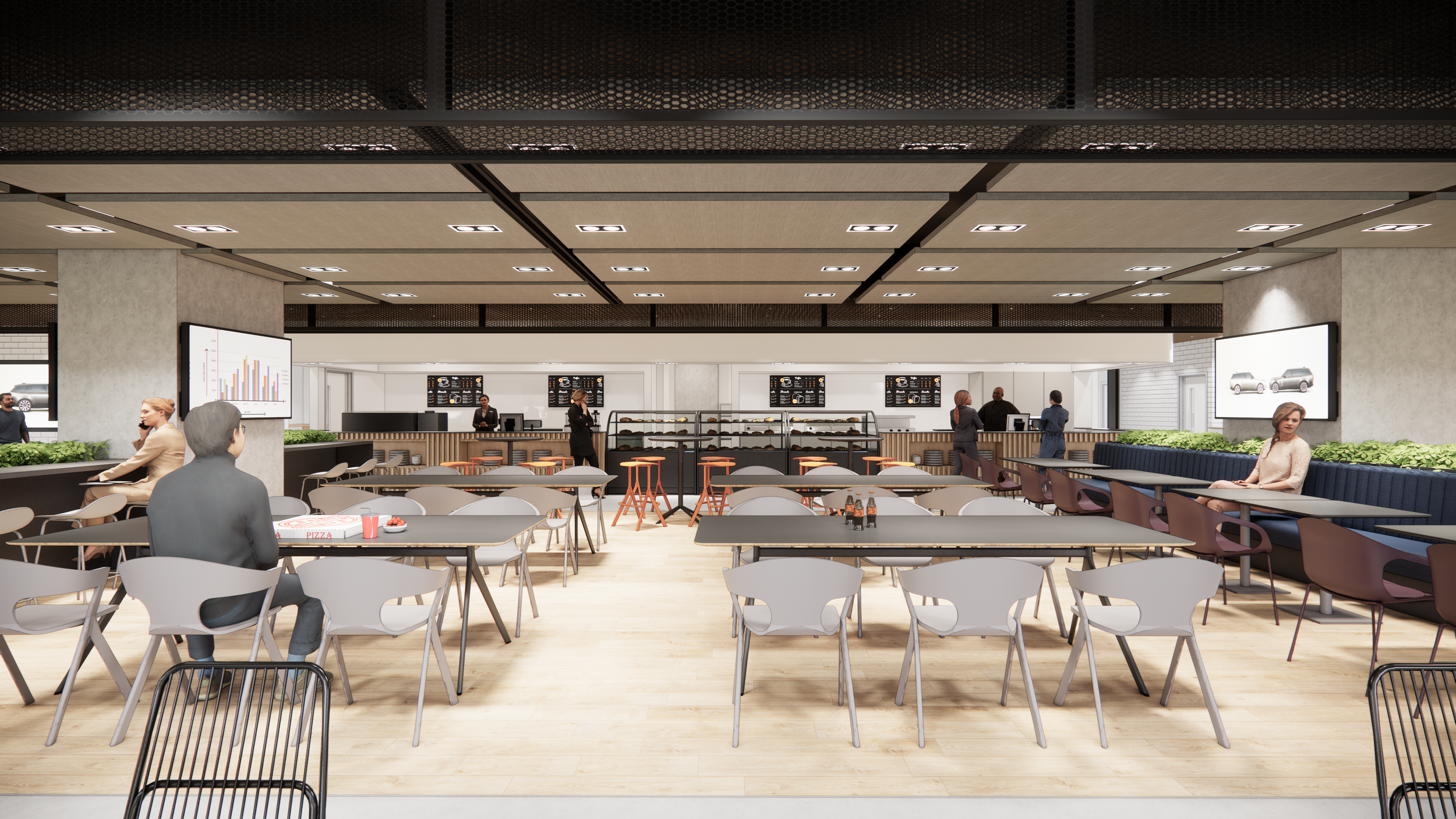
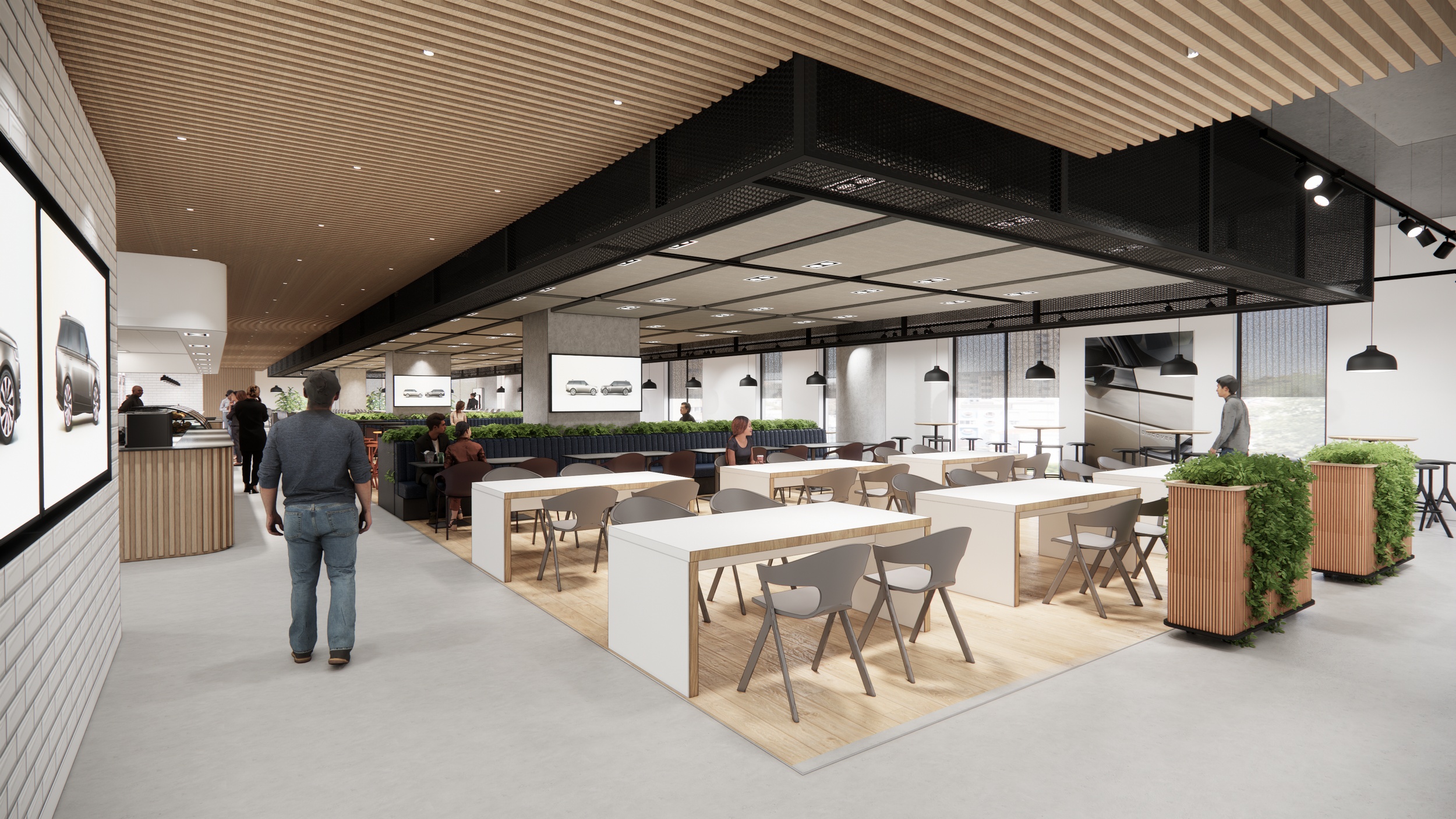
Crux played a central role in defining the brief for specialist consultants, helping the client assess capability, interpret proposals, and make informed appointments. This included advising on which teams could genuinely deliver within a loose, evolving brief typical of a fast-moving workplace environment.
Rather than designing around kitchen equipment, Crux designed around user behaviour, ensuring ordering, seating, and circulation worked seamlessly together.
The cafeteria operates at exceptional speed during peak periods while remaining popular and well loved by staff. It supports daily wellbeing, brings teams together, and has scaled successfully alongside continued workforce growth.
The project demonstrates how food environments, when designed strategically, can play a central role in workplace performance and culture.
“A 250-seat restaurant designed to serve three sittings with speed, clarity, and ease — fully aligned to JLR’s global guidelines.”
— Heather Saunders, Founder | Principle
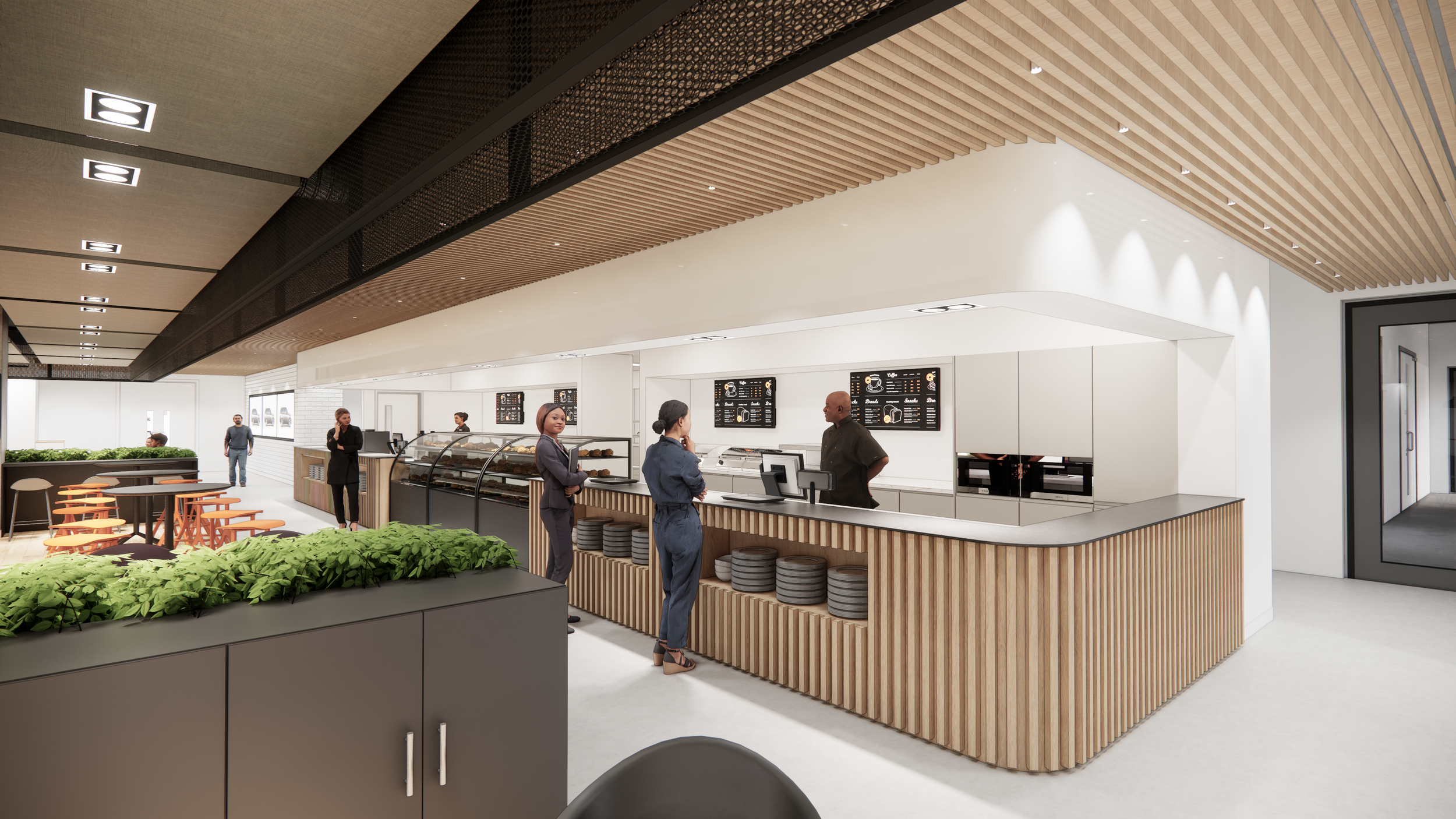
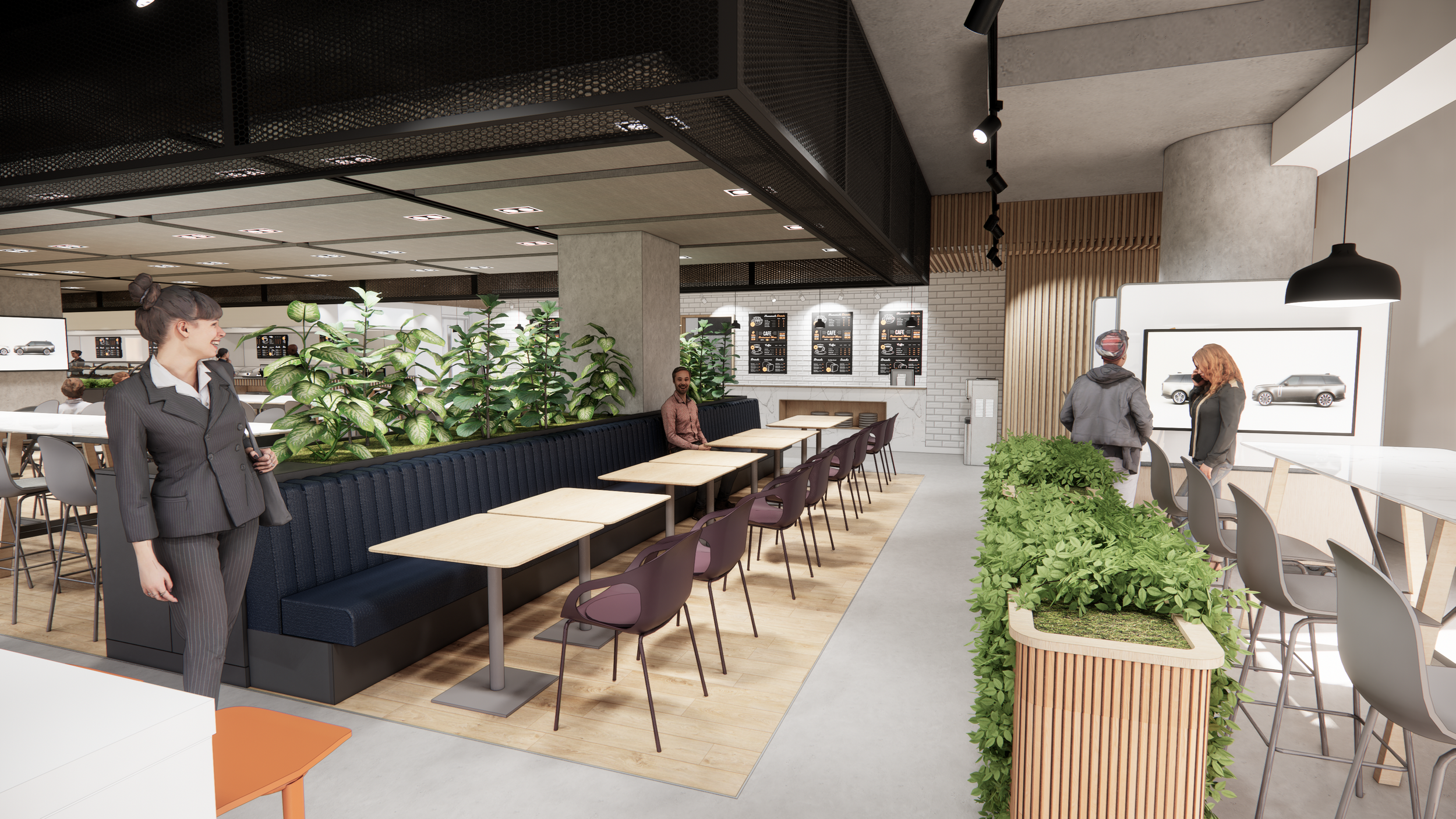
This project showcases Crux’s specialist capability in commercial food environments within complex workplaces. By focusing on behaviour, flow, and experience, and by actively shaping consultant selection and coordination, we help clients deliver cafeterias that perform under pressure.
At Crux, we design food environments as operational systems, not just spaces.