

The Evolution Of Work: How Gen Z Is Reshaping Leadership And Workplace Culture
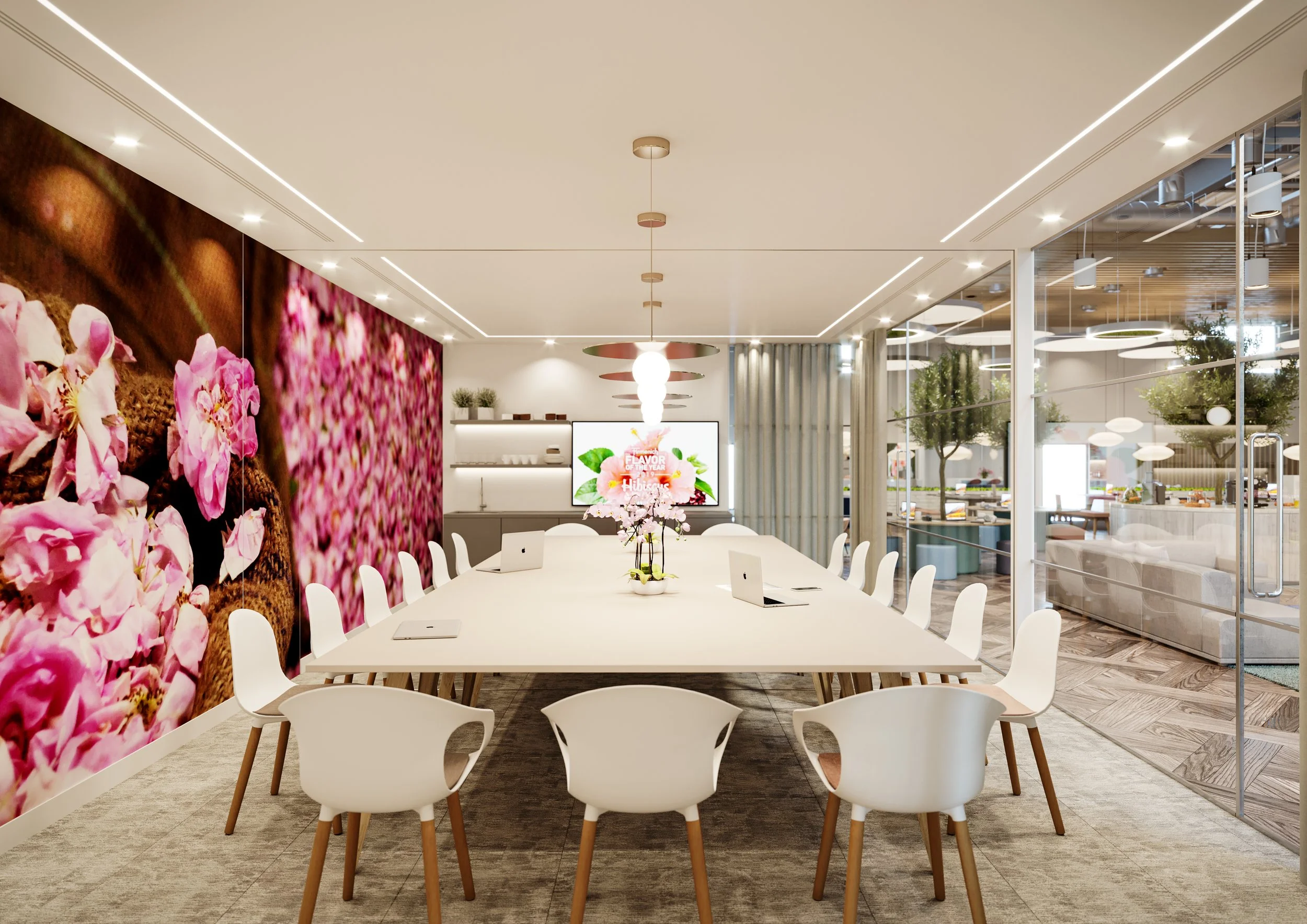
For decades, workplace design followed a conventional model, where decisions about space and experience were driven primarily by leadership.
Today, a new approach is emerging: one that starts from the bottom up - Gen Z. Workplaces are now being designed around the needs, values, and behaviours of the next-generation workforce, who will shape the future of their companies. Organizations that want to attract and retain top talent are intentionally creating environments that resonate with them.
Younger generations are driving a new set of expectations around comfort, wellness, and experience that older models of workplace design often did not address. Residential cues and hospitality-inspired environments have become the baseline. The days of sterile minimalism are fading; Gen Z gravitates toward visually rich environments that stimulate creativity and reflect a brand’s identity with honesty and substance. Landlords and building owners are responding, investing in higher-end tactile materials and deeper detailing because visually engaging spaces help companies attract talent that refuses to settle for generic.
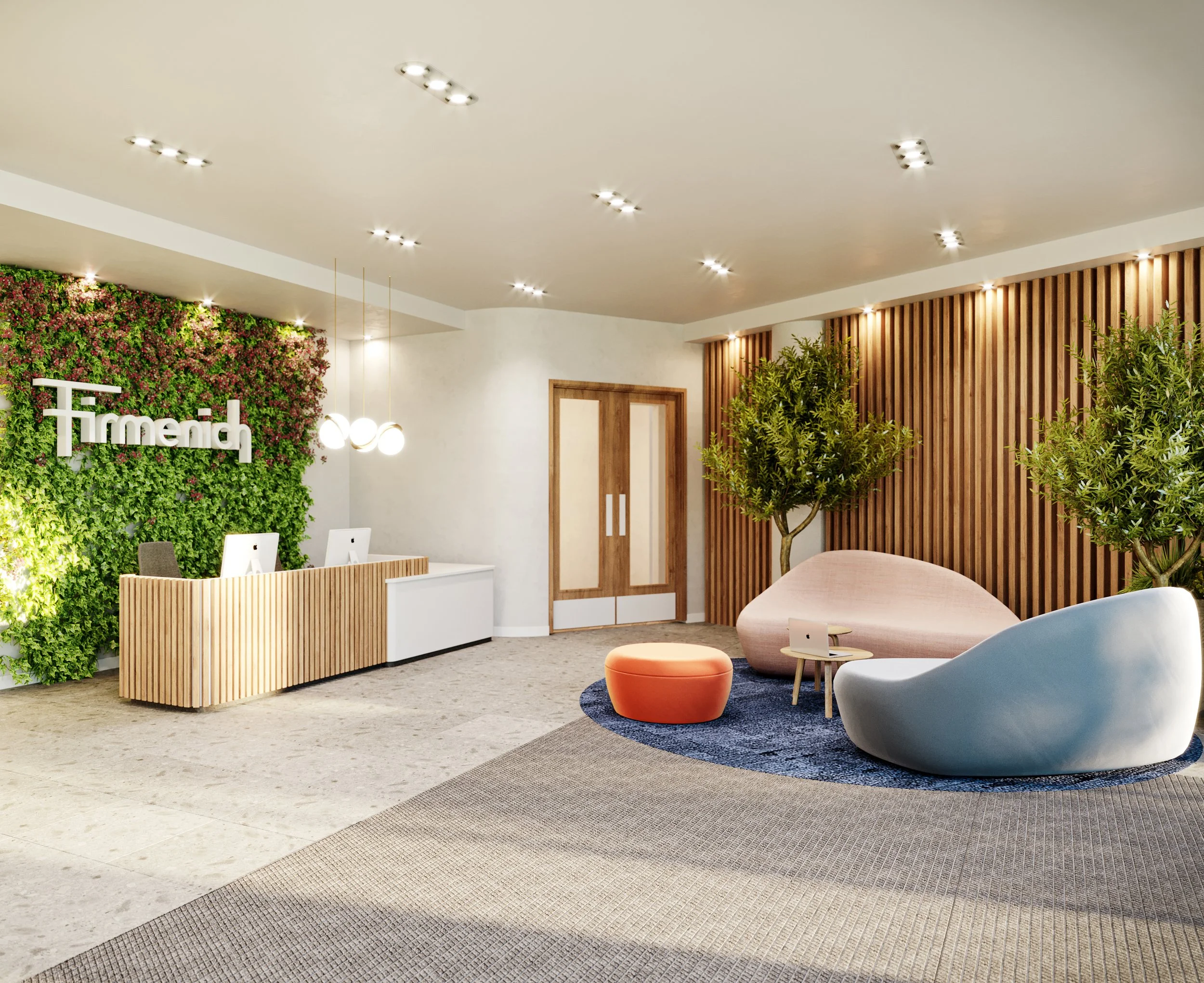
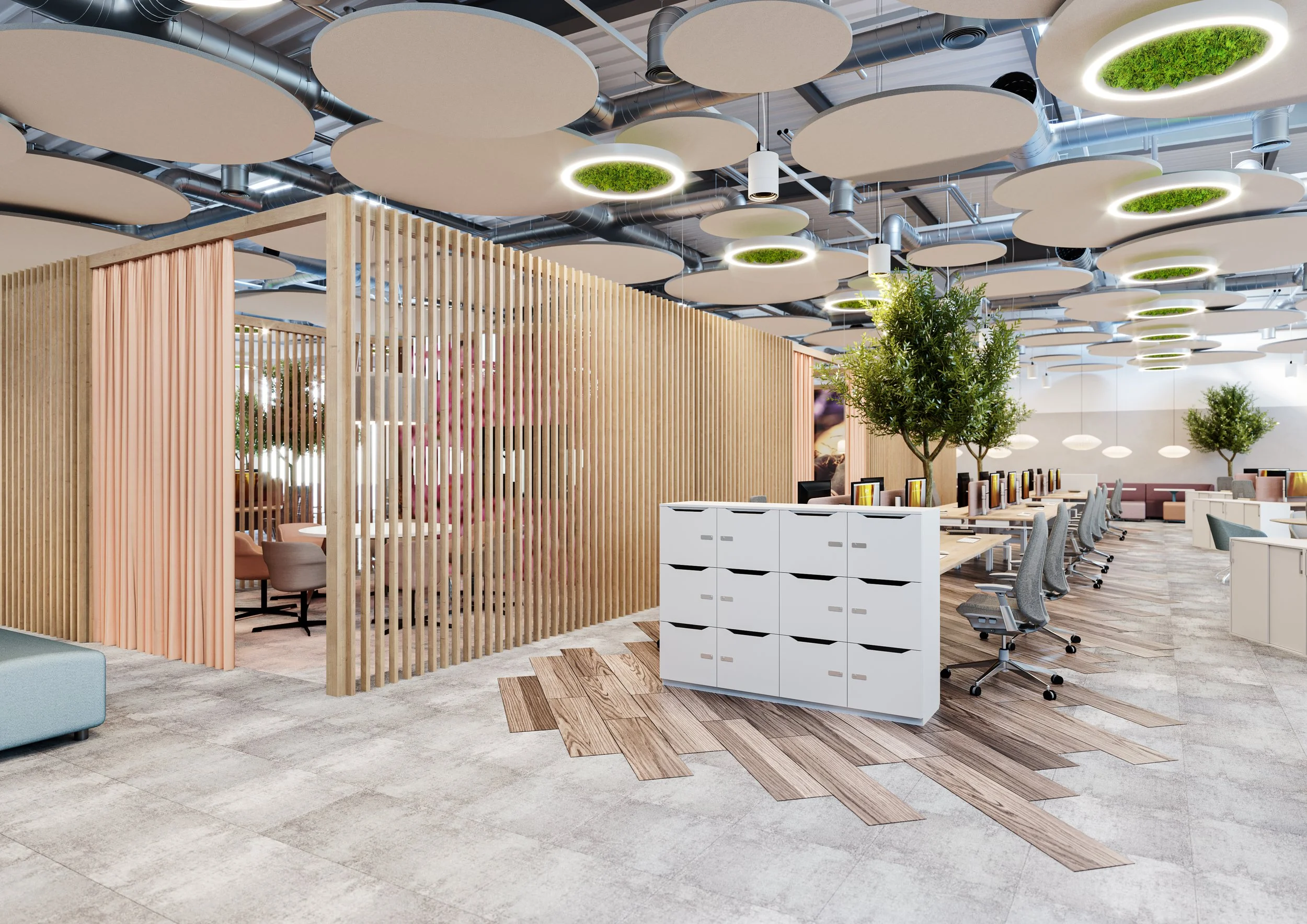
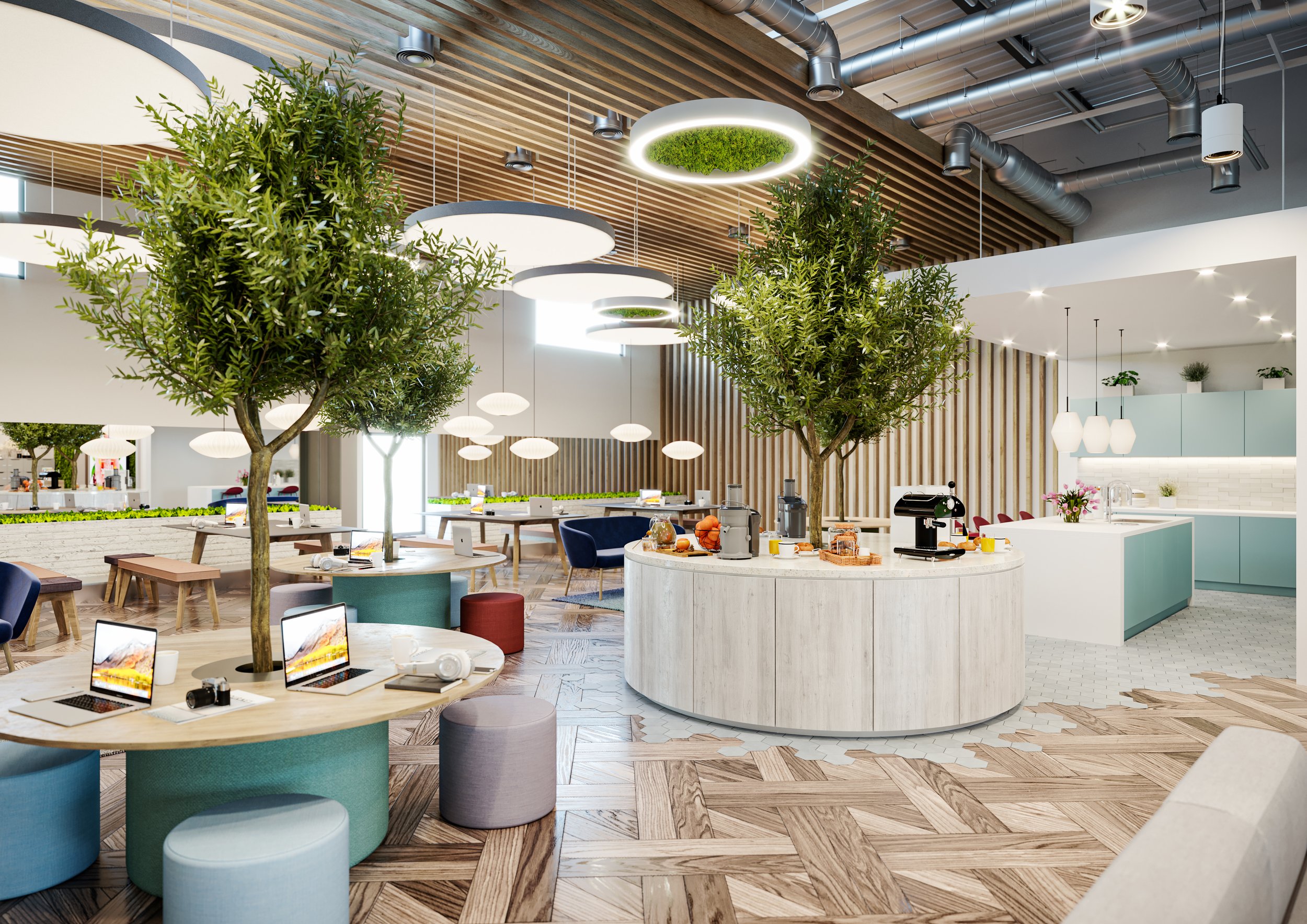
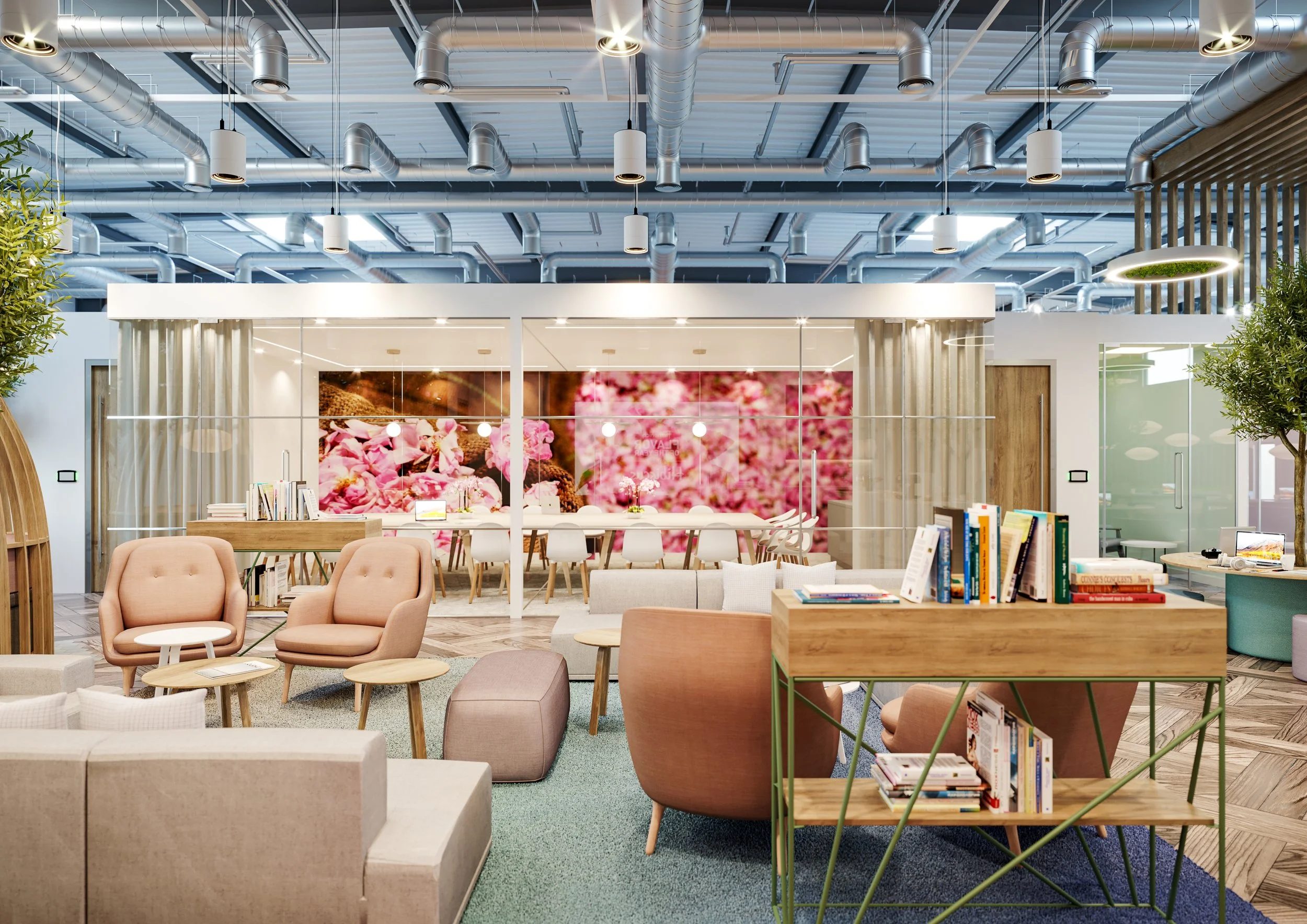
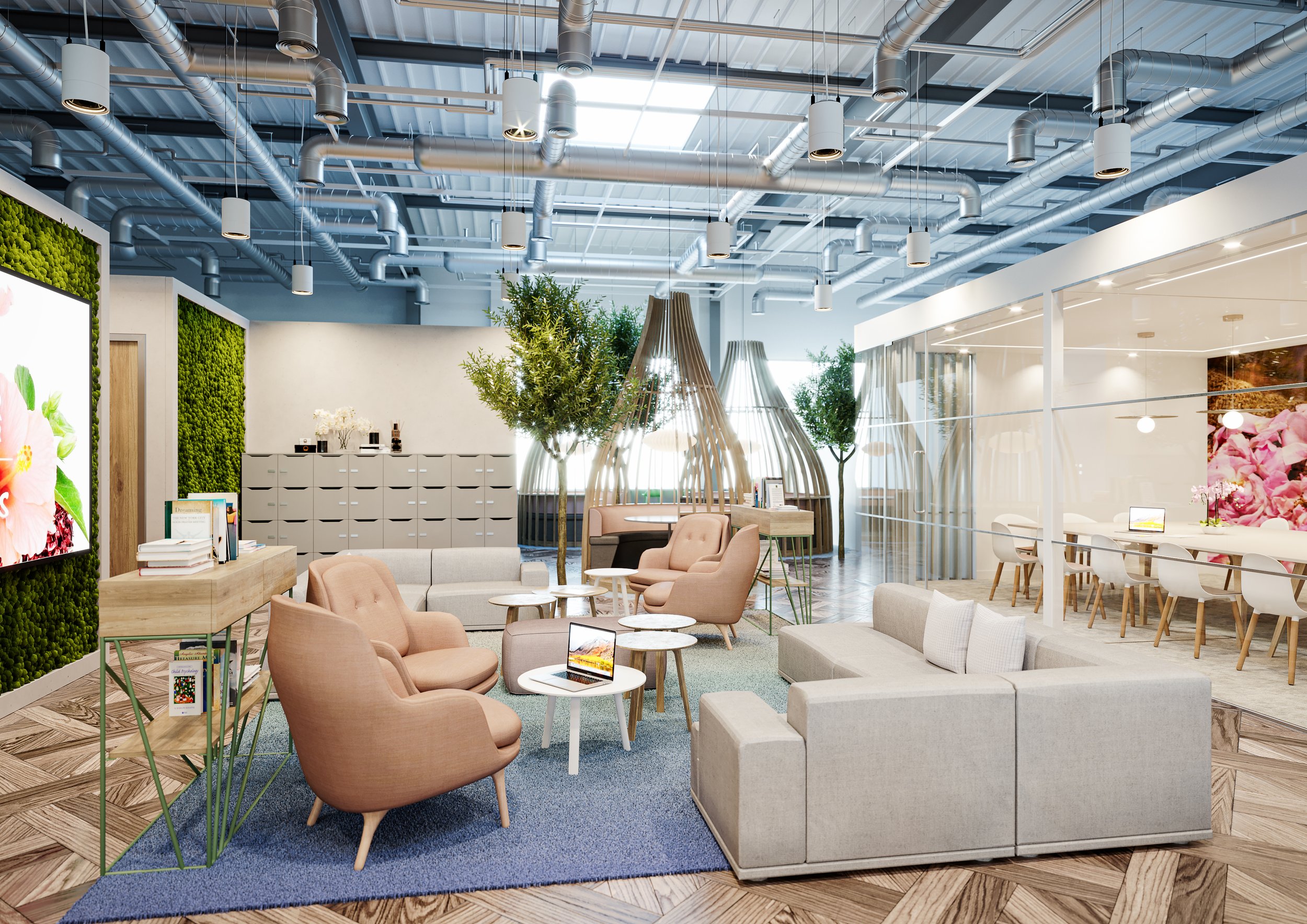
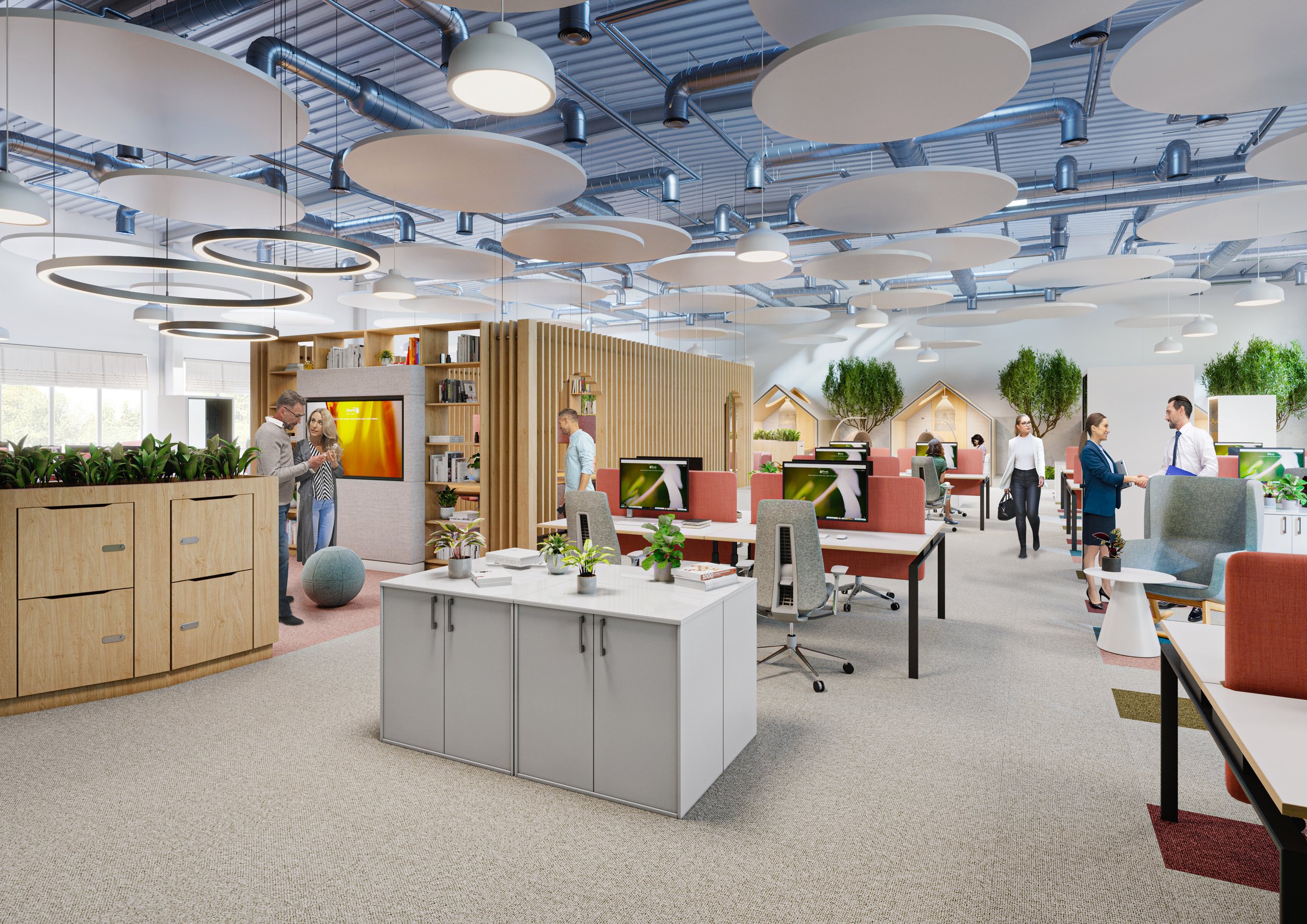
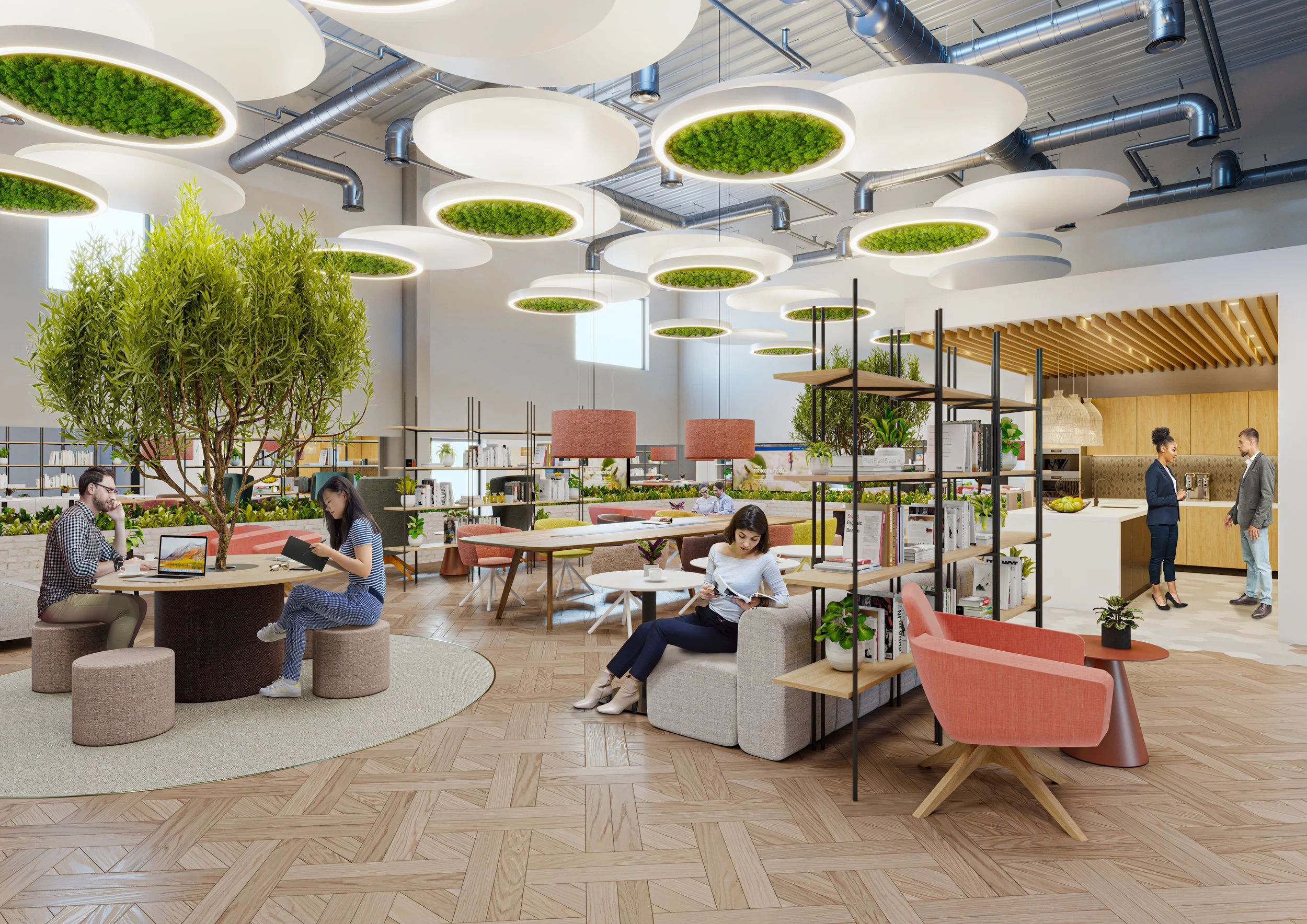
The pandemic accelerated a shift that was already underway: a move towards more flexible, outcome-led ways of working. For Gen Z in particular, balance is not a perk—it’s fundamental. Work is expected to support life, not compete with it, and wellbeing is increasingly seen as a baseline requirement rather than a benefit.
Remote and hybrid models have reset expectations around where, when, and how work happens. The organisations responding best are those that have moved beyond rigid schedules and presence-led thinking, focusing instead on trust, autonomy, and performance. Flexibility isn’t about absence from the workplace; it’s about designing systems, cultures, and environments that allow people to do their best work while sustaining their energy, focus, and lives beyond the office.
For Gen Z and younger millennials, air quality, acoustics, daylight, comfort, and mental well-being are non-negotiable. They view wellness as a lifestyle, not an amenity. These expectations are not trends; they are tied to how this generation defines a supportive workplace. Design does not just respond to these needs; it shapes behaviour, influencing how people rest, collaborate, disconnect, and perform. By creating purposeful circulation, inviting recharge areas, and social areas that encourage connection, the office cultivates healthier routines and becomes a place employees are drawn to, not just work within.
At Crux, we see this shift reflected directly in the spaces we design—workplaces that prioritise adaptability, support different modes of work, and recognise that long-term performance is inseparable from wellbeing.
Technology Integration and Artificial Intelligence
Research from the British Council for Offices highlights the scale of the challenge: The British Council for Offices (BCO) research indicates that only 44 % of Gen Z are in favour of spending most of their working time in the office. This statistic highlights the evolving preferences of Gen Z in the workplace, as they are increasingly influenced by technology, global connectivity, and digital transformation. The BCO's research also suggests that Gen Z's communication style and organizational culture are being shaped by their experiences and the impact of social media on their work environment. Today’s workplaces need to earn their relevance—designed as destinations that feel contemporary, purposeful, and culturally resonant, not obligatory. If we want to reach the other 56 per cent, it looks like we now need offices worthy of a Gram post.
As true digital natives, Gen Z expects technology to be embedded, intuitive, and intelligent. AI, automation, and digital collaboration tools aren’t viewed as innovations—they’re the baseline. When technology is clumsy or fragmented, it creates friction; when it’s seamless, it enables pace, clarity, and focus. The most effective organisations are using technology not as an overlay, but as an enabler of better outcomes. Tools that are data-led, adaptive, and purpose-driven allow teams to work in ways that feel natural—supporting faster decision-making, greater flexibility, and clearer impact.
At Crux, we see this translating directly into how workplaces are conceived. Spaces must be designed to support advanced digital workflows, integrate AI and collaboration platforms effortlessly, and evolve as tools and behaviours change. Technology shouldn’t dominate the environment—but when it’s embedded into the architecture well, it quietly elevates how people work, think, and deliver.
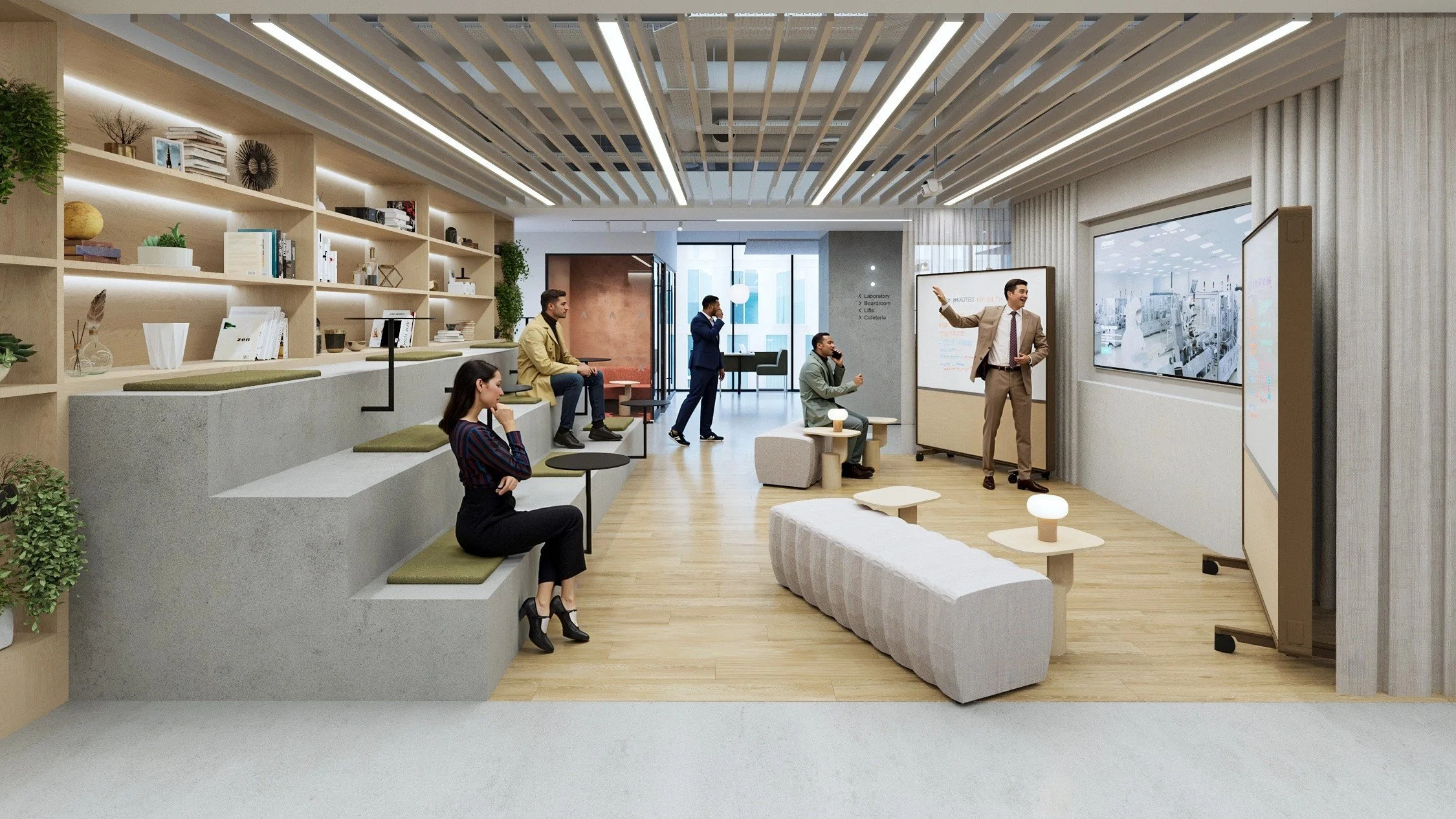
Technology adds another layer. Younger professionals expect technology to be mobile-first and incredibly intuitive. Hybrid work requires this flexibility: the ability to jump in and out of calls, move through different work modes easily, and stay connected from anywhere. Technology can no longer be an afterthought; it must be fully embedded into the firm’s nervous system, enabling speed and ease of use.
Diversity, Equity, and Inclusion
Gen Z is the most diverse generation to enter the workforce, and they expect that diversity to be reflected—authentically—within the organisations they join. For them, diversity, equity, and inclusion are not aspirational statements or marketing language; they are baseline expectations that shape trust, belonging, and credibility.
Organisations that take DEI seriously understand it as a cultural commitment, not a programme. Inclusive practices influence who is hired, who is heard, who progresses, and how decisions are made. When embedded properly, they strengthen culture, broaden perspective, and improve performance across the organisation—not just for one generation.
At Crux, we see DEI as inseparable from good design and good leadership. Inclusive environments—physical, digital, and organisational—are those that remove barriers, support different needs and voices, and create space for people to contribute fully. When workplaces are designed with inclusion in mind, they don’t just attract talent; they build healthier, more resilient cultures.
The next-generation workforce views inclusivity as an expectation as well. They look for spaces where everyone has an equal experience regardless of background or work style. This mindset pushes design beyond compliance and into universal belonging: designing environments that give everyone access to the same quality of space. Sustainability, too, matters more now than ever. Even when it costs more, younger generations expect responsible material choices and transparency. They want to work for companies that act with purpose and are willing to invest in a better future.
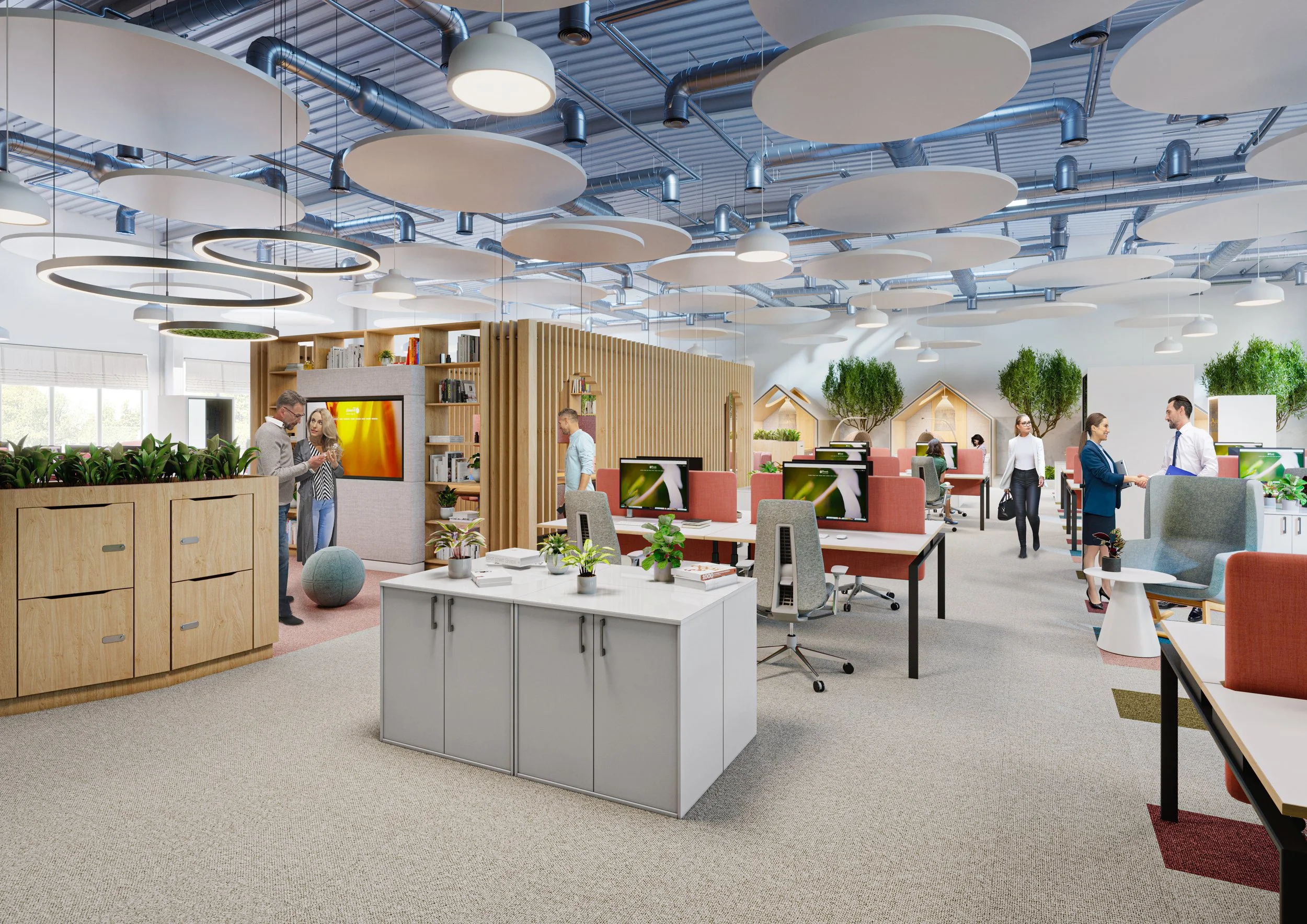
Gen Z expectations are already reshaping the workplace—but not in superficial ways. What’s emerging is a demand for environments that offer choice, autonomy, and genuine support for wellbeing. Contemporary design, considered furniture, and amenity-rich settings are no longer differentiators; they’re baseline. The latest ‘Guide to Fit Out’ from BCO reinforces that future-ready workplaces must provide a diverse range of settings, robust technology, and a meaningful commitment to wellbeing, inclusion, and accessibility.
This isn’t about lifestyle features for show, although one could argue its great to have an office that allow you to create a gram worthy post-it’s about designing workplaces that reflect how people actually live, work, and perform—now and in the years ahead. This might seem like a tall ask, but Gen Z isn’t rejecting the office outright, it is challenging us to make it better and we should be listening closely. This workplace shift with designing for staff from the bottom up ultimately forces leadership to rethink what a workplace represents. Leadership today must look beyond inherited norms and use design as a tool to empower people, encourage collaboration, and support well-being. The right environment doesn’t just accommodate employees, it amplifies their potential and strengthens the culture that will define the company for years to come.
